In general, Spain is a highly desirable tourist destination for people worldwide. When Spain is mentioned, the first things that come to mind are the magnificent cities of Madrid, Barcelona, Valencia, and Córdoba. These cities, along with many others, are filled with attractions that stimulate tourism and draw large numbers of visitors.
Visitors to Spain will enjoy breathtaking landscapes, enchanting nature, and a temperate climate. This is in addition to ancient archaeological sites characterized by unique architecture and numerous museums that host art exhibitions for celebrities from all over the world.
There are many activities that boost sports tourism in Spain, such as diving, winter skiing, and touring historical sites and cultural landmarks. You will find exciting sports like football, the traditional bullfighting, and even high-altitude skiing for winter tourism enthusiasts. Spain attracts a vast number of tourists, reaching approximately 50 million visitors per year.
Sports as a Pillar of Spanish Culture
Sports are a vital part of Spanish culture. Football is the primary popular sport, and the Spanish national football team is considered one of the strongest in the world, having been both World and Euro champions.
The cost of traveling to Spain is relatively affordable compared to the quiet, comfortable, and enjoyable experience you and your family will have. You can visit famous stadiums, beautiful parks, and diverse restaurants offering unique Spanish cuisine. Key attractions include:
- Santiago Bernabéu Stadium: It is one of the most visited sites in the Spanish capital, Madrid, following the Reina Sofía Museum, the Prado Museum, and the Royal Palace, with an estimated 1.2 million visitors annually.
- Vicente Calderón Stadium: Formerly the home of Atlético Madrid, named after the club’s former president. It was one of the largest stadiums in Spain and Europe, with a capacity of approximately 55,000 spectators, and frequently hosted the Spanish national team matches. In 2003, it was classified as a “5-star” stadium by UEFA.
- Plaza Mayor (The Grand Square): The most famous square in central Madrid. It is a massive square of Arabic origin, formerly known as “Plaza del Arrabal,” where livestock and agricultural products were sold. Over time, it served various historical roles before becoming a public square for official celebrations and festivals throughout the year.
- Carlos Sainz Go-Kart Center: This is the largest indoor karting track in all of Europe. If you are visiting in winter and your children are looking for speed and fun, this is an indispensable attraction. The facility also includes an outdoor track and is considered one of the best tourist spots in Madrid.
In addition to these, many squares across Spanish cities host enjoyable sports activities, particularly football, along with bullfighting and winter skiing in the highlands.
Sports Tourism in Spain
Spain is one of the top destinations for sports tours year-round, making it a preferred choice for professional clubs, academies, schools, and colleges. Its mild climate makes it an ideal destination for aspiring athletes seeking an exceptional experience to enhance their skills. Moreover, high-quality resorts offering sports facilities equipped with the best capabilities make Spain a global leader in sports tourism, attracting athletes from all over the world.
Spain is home to the strongest football clubs, and La Liga plays a vital role in boosting tourism, especially through the fierce competition between Real Madrid and FC Barcelona. Other popular sports in Spain include basketball—with the national team winning the World Cup in 2006—handball, and tennis, represented by the legendary Rafael Nadal. Spain also excels in Formula 1 with driver Fernando Alonso, Moto GP, cycling, and swimming. In the Olympics, Spain typically ranks among the top twenty in the medal table.
Popular Sports Tourism Activities in Spain:
- Diving: While visiting for wellness or leisure, you can practice all types of diving, including ice diving, underwater diving, and cave diving. Spain boasts a diverse marine life, making its coasts perfect for any diving enthusiast.
- Mountain Climbing: If you love challenges and discovering breathtaking natural landscapes, Spain is the perfect place for mountaineering. You can engage in rock climbing at various levels and reach peaks exceeding 3,000 meters.
- Surfing and Windsurfing: All you need is a board, a sail, and the power of the wind to enjoy these sports, which are widespread across many coastal areas in Spain.
- Cycling: If you wish to embark on cycling trips, you will find suitable routes, organized bike tours, and rental companies throughout the country.
- Rafting and Canoeing: You can practice these sports year-round. Two of the most famous rivers for rafting in Spain are located in Lleida and Huesca.
The Importance of La Liga in Boosting Tourism in Spain
The Spanish football league, “La Liga,” represents one of the most significant pillars of sports tourism in Spain. With its global stars and iconic stadiums, it is a “treasure trove” for the Spanish government, which seeks to invest and utilize it ideally within the tourism sector. La Liga acts as a powerful magnet for visitors, thanks to the world-class talent playing for FC Barcelona, Real Madrid, and other major clubs.
Spain has long recognized the vital role of La Liga in stimulating the national economy. The primary goal is to continue developing the sport globally and gaining more followers. In recent years, La Liga’s revenues have seen record growth due to excellent marketing of the “football product,” investment in infrastructure, high-quality services, and stadium maintenance. This progress has significantly boosted state revenues and contributed to the tourism sector through several key aspects:
- Setting Tourism Records: Spain aims to leverage sports to reach new heights in visitor numbers. According to previous statements by former officials, Spain has consistently broken records, reaching over 75 million tourists in peak years.
- The Power of the “Big Three”: The trio of Real Madrid, FC Barcelona, and Atlético Madrid serves as a massive contributor to attracting international tourists to the country.
- The “El Clásico” Phenomenon: Matches between Real Madrid and Barcelona are among the most-watched events globally, drawing sports enthusiasts from every corner of the world and significantly energizing the sports tourism market.
- Sports Landmarks as Must-See Sites: The majority of tourists visiting Spain visit at least one sporting landmark, which is most often a legendary football stadium or a traditional bullring.
- Future Infrastructure Investment: Spain is banking on the completion of major renovations at the Santiago Bernabéu (Real Madrid) and Camp Nou (Barcelona), alongside the development of Atlético Madrid’s Wanda Metropolitano (Cívitas Metropolitano), a project valued at approximately 1.3 billion euros.
Spain’s Revenues from Sports Tourism
Sports tourism is a primary source of national income for Spain, which ranks as the third most attractive country for tourists globally, following France and the United States. Some recent reports even indicate that Spain has matched the U.S. figure of approximately 75.6 million annual tourists. In a country with such a massive tourism footprint, sports continue to hold a significant position on the tourism map.
According to a report by the Spanish National Statistics Institute (INE), the number of tourists who visited Spain specifically for sporting purposes in 2016 reached 10.1 million, contributing approximately $12 billion to the Spanish economy.
Spain’s tourism strategy relies on leveraging the immense value of celebrity athletes and historic sporting facilities, linking them directly to the tourism sector. This stems from the belief that both tourism and sports are vital sectors for cultural rapprochement and increasing national profits. Key observations include:
- Barcelona as a Sporting Paradise: The city is considered a haven for sports due to the tours and events organized in almost every neighborhood. Following the 1992 Olympic Games, Barcelona was enriched with world-class facilities for water sports, football, basketball, golf, and cycling. This infrastructure helps make the Catalan capital the third most visited city in Europe.
- The Santiago Bernabéu Phenomenon: According to a report published by Marca, the Santiago Bernabéu Stadium was the most visited sports tourism site in Madrid in 2016, following only the Reina Sofía Museum, the Prado Museum, and the Royal Palace. It attracted an estimated 1.2 million visitors for stadium tours that year.
- A Global Phenomenon: A Spanish study by journalists Antonio Mateo and Alexander Martinez Orts indicates that at least 19 different nationalities attend La Liga matches every week. The most frequent attendees are Europeans, followed by Asians, and then visitors from the Americas.
- The Shift in Ticket Consumption: According to Ander Michelena, Managing Director of a specialized ticket sales company, the number of international ticket buyers has increased sixfold compared to 2012. He noted that while most locals look for low-to-mid-priced tickets, international visitors tend to purchase expensive and VIP tickets, seeking a once-in-a-lifetime premium experience.
Most Beautiful Stadiums in Spain
Spain is renowned for its numerous stadiums that host both local and international championships, as well as matches between the most famous Spanish, European, and global clubs. Spain has placed great importance on football, working to develop the sport worldwide and attract a growing number of followers.
The country has prioritized the advancement of Spanish football, leading to record-breaking growth in La Liga’s revenues over the past few years. This success is a result of excellent marketing of the “football product,” significant investment in infrastructure, and the quality of stadiums and their services.
Great care has been given to every detail, including the stands and the pitch turf, ensuring a premium experience. Among the most beautiful and famous stadiums in Spain are:
Camp Nou
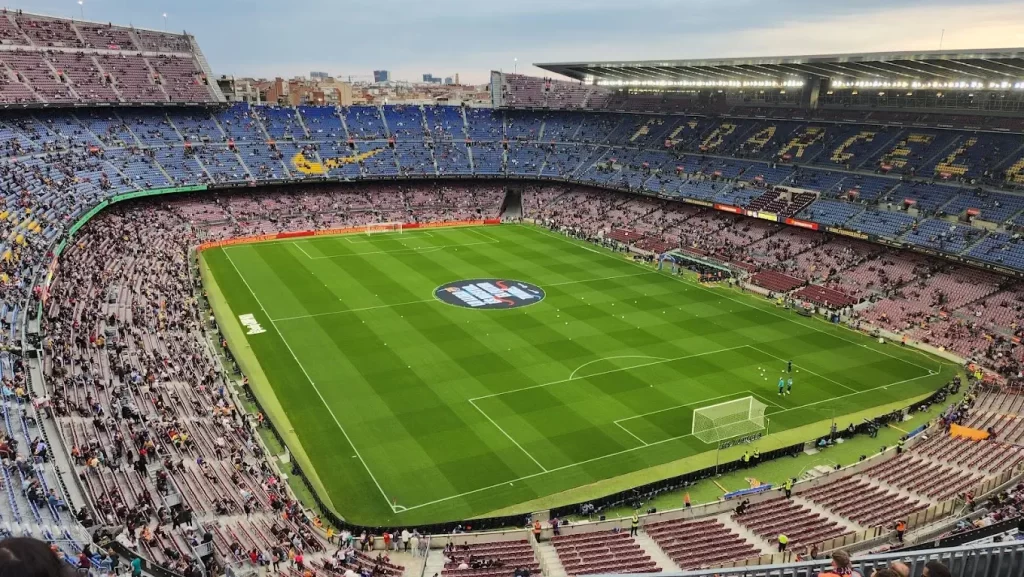
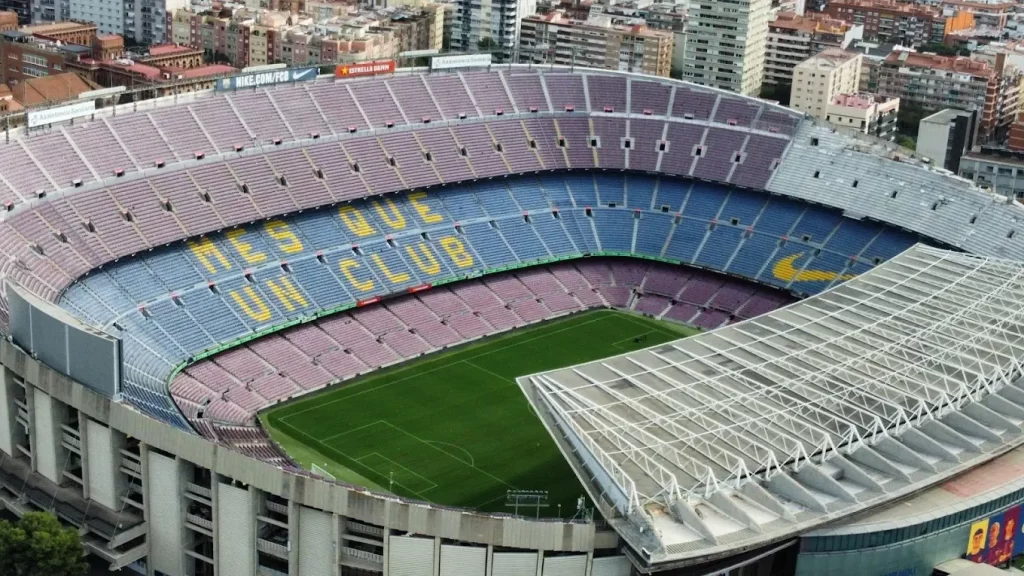
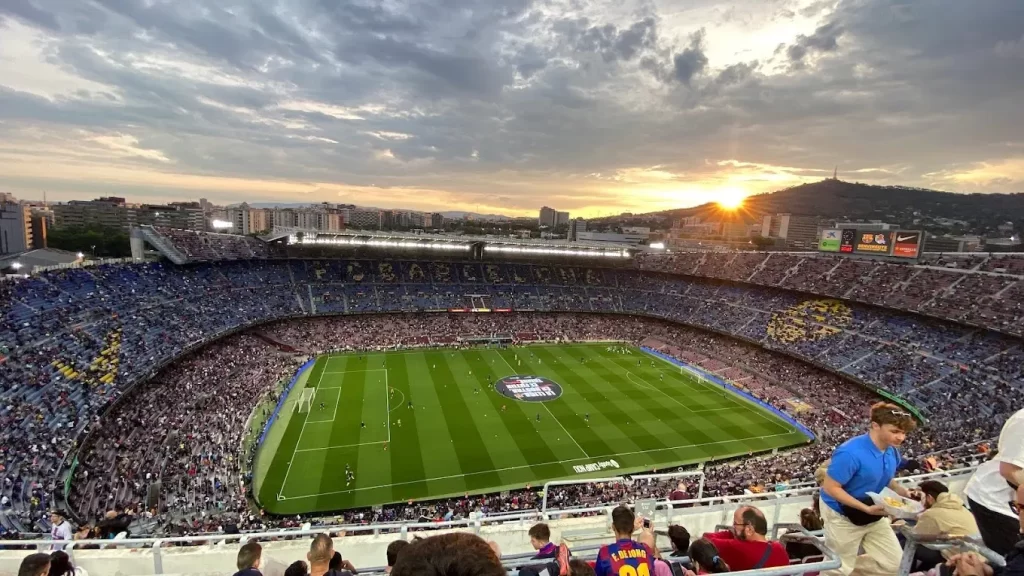
In Catalan, Camp Nou means “New Field.” Currently known as Spotify Camp Nou for sponsorship reasons, it is a football stadium located in the Les Corts district of Barcelona, in the Spanish region of Catalonia.
The stadium was inaugurated on September 24, 1957, following three years of construction that began on March 28, 1954. With a seating capacity of approximately 99,354 spectators, it is the largest football stadium in Europe and serves as the iconic home ground for the Catalan giants, FC Barcelona.
Santiago Bernabéu
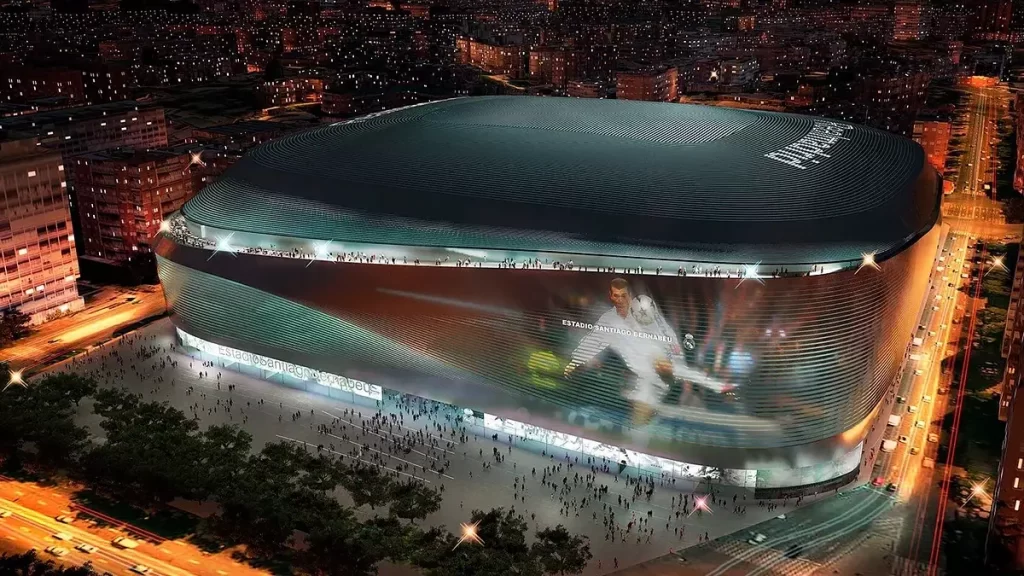
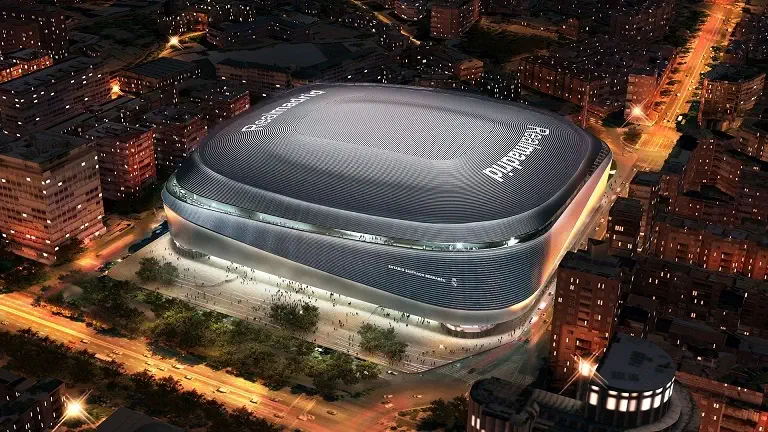
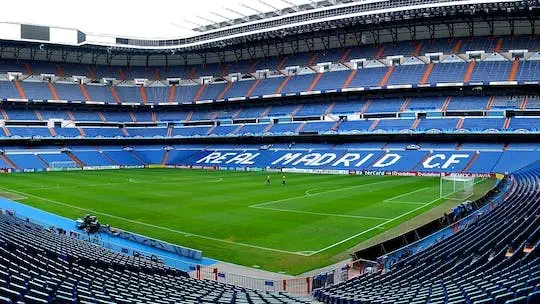
In Spanish, Estadio Santiago Bernabéu is a football stadium located in the heart of Madrid, the capital of Spain. It was inaugurated on December 14, 1947, and serves as the home ground for Real Madrid.
The stadium currently accommodates over 81,000 spectators, making it one of the largest stadiums in both Spain and Europe.
Upon its opening, it was named the “New Chamartín Stadium,” but it was later renamed in honor of the legendary club president at the time, Santiago Bernabéu. The team is expected to play its matches there as soon as the renovation works are completed, coinciding with the events of the new season.
Metropolitan
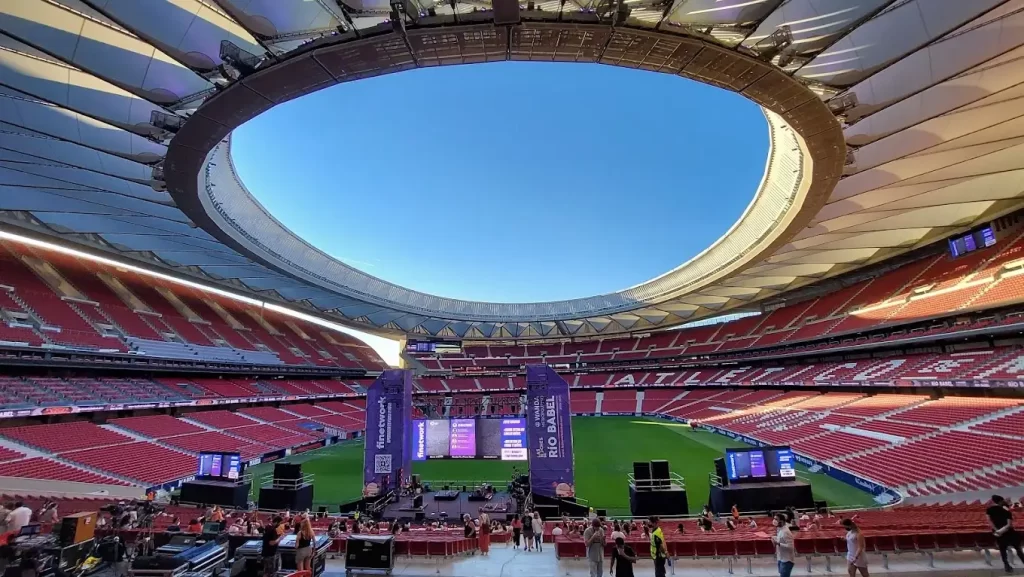
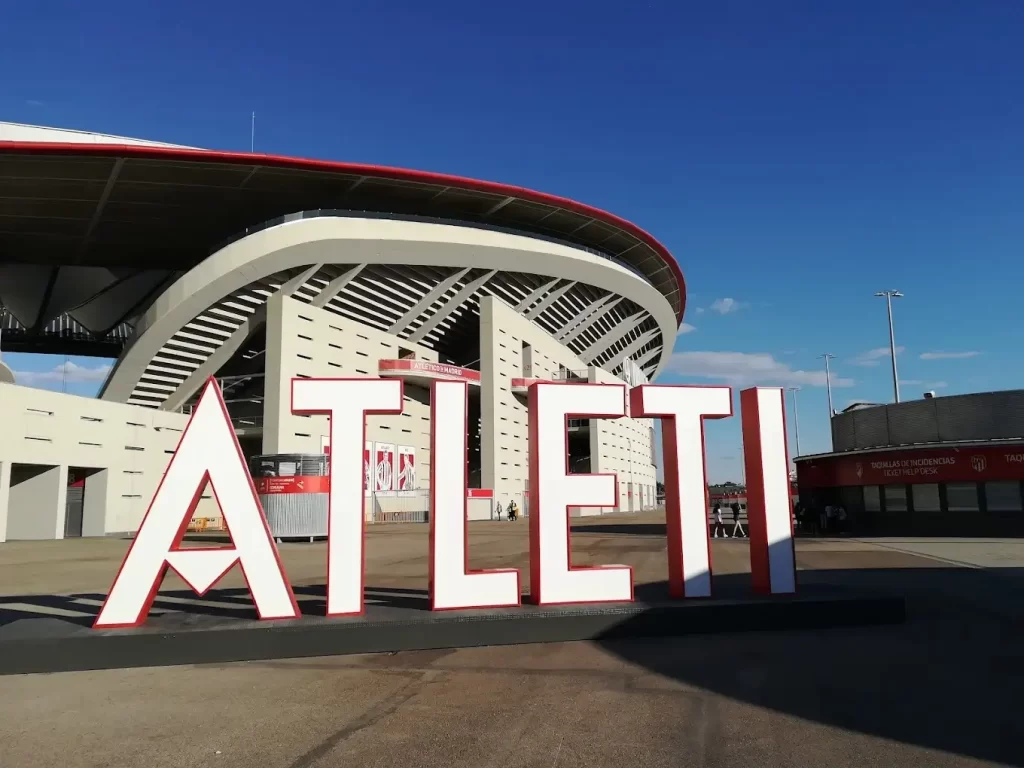
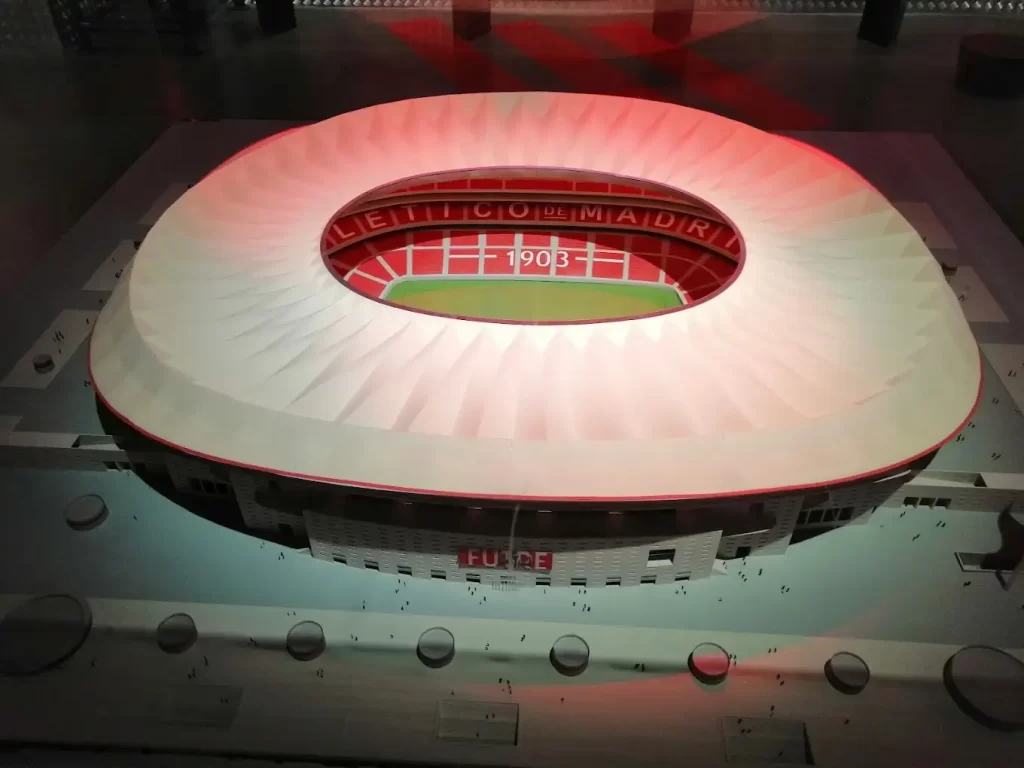
Also referred to as Cívitas Metropolitano, it is the football stadium of the Spanish club Atlético Madrid. It is located in the San Blas-Canillejas district of the Spanish capital, Madrid, on the same site as the old stadium known as “La Peineta.”
The stadium was officially inaugurated at the start of the 2017–2018 season and has a seating capacity of 67,000 spectators. It was built on an area of approximately 88,150 square meters, which is three times the size of the club’s former ground, the Vicente Calderón Stadium.
Originally named the “Estadio de la Comunidad de Madrid,” its name was later changed to the “Madrid Olympic Stadium.” However, due to UEFA regulations regarding sponsorship contracts and branding, the stadium became widely known as the Wanda Metropolitano before its current sponsorship designation.
Benito Villamarín
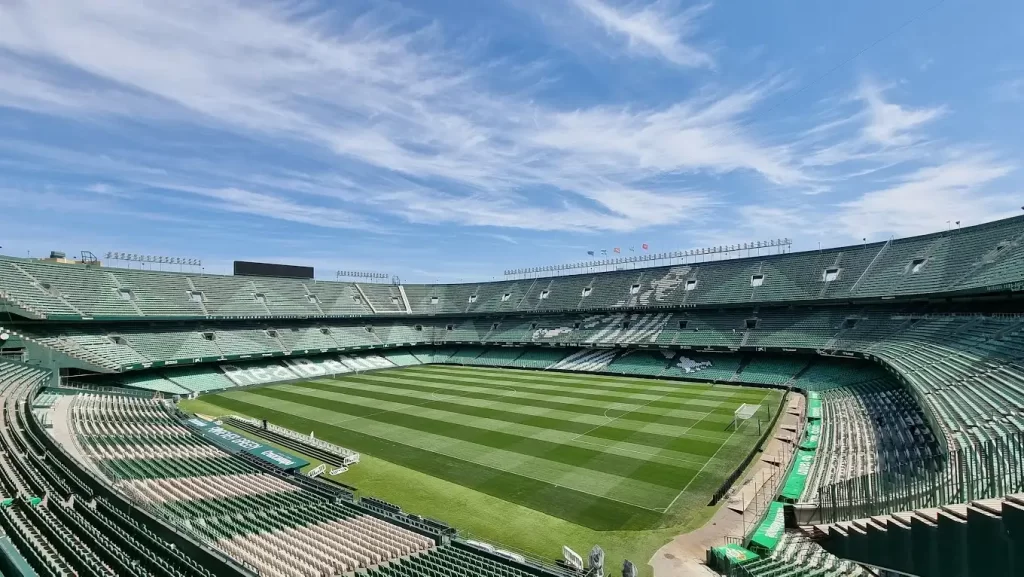

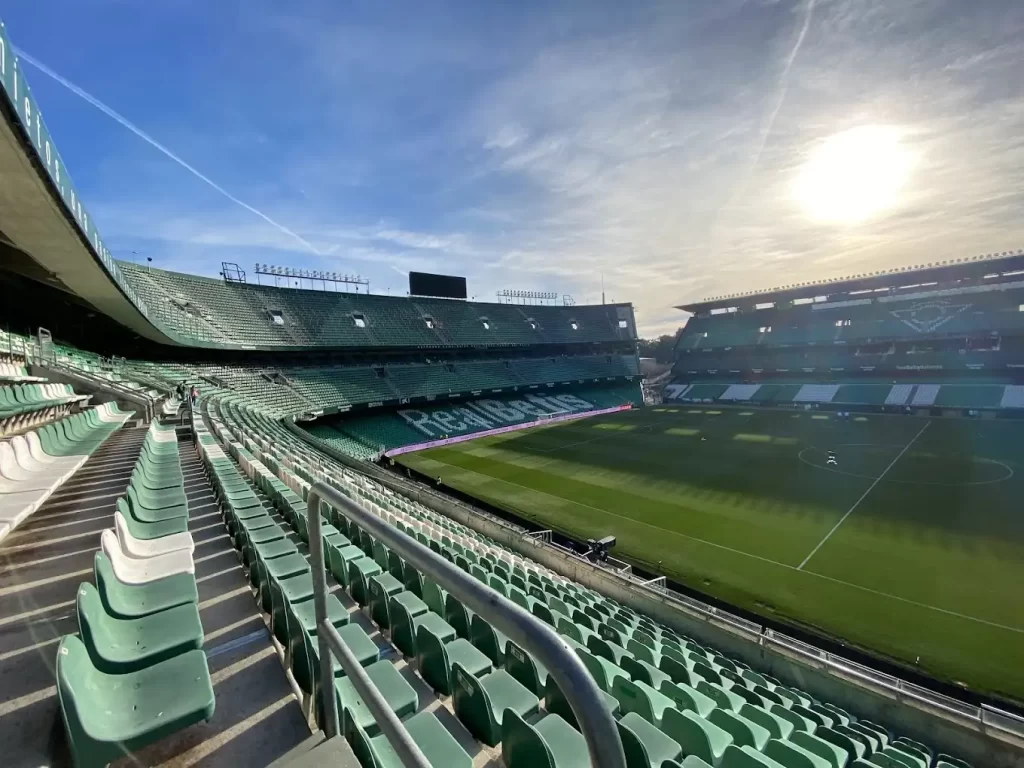
It is the official stadium of Real Betis. In Spanish, it is known as Estadio Benito Villamarín. It is the largest football stadium in Seville, with a seating capacity of 52,745 people.
San Mamés
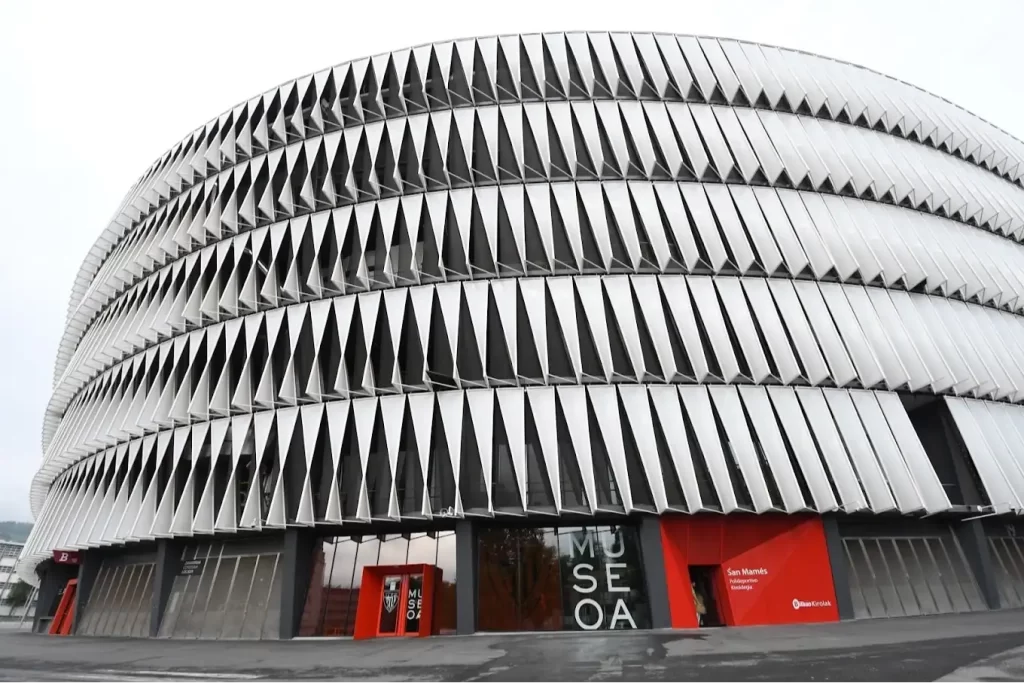
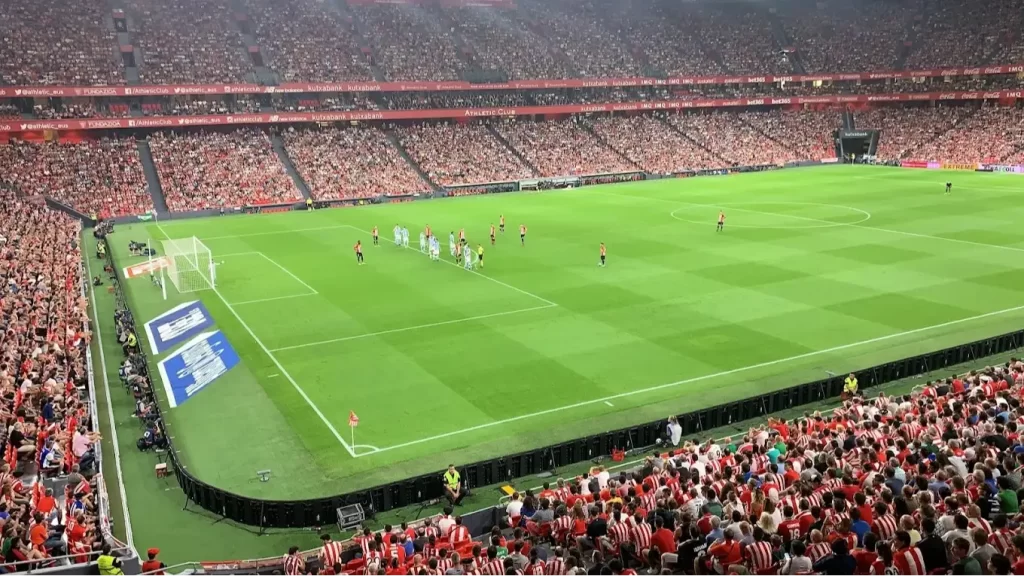
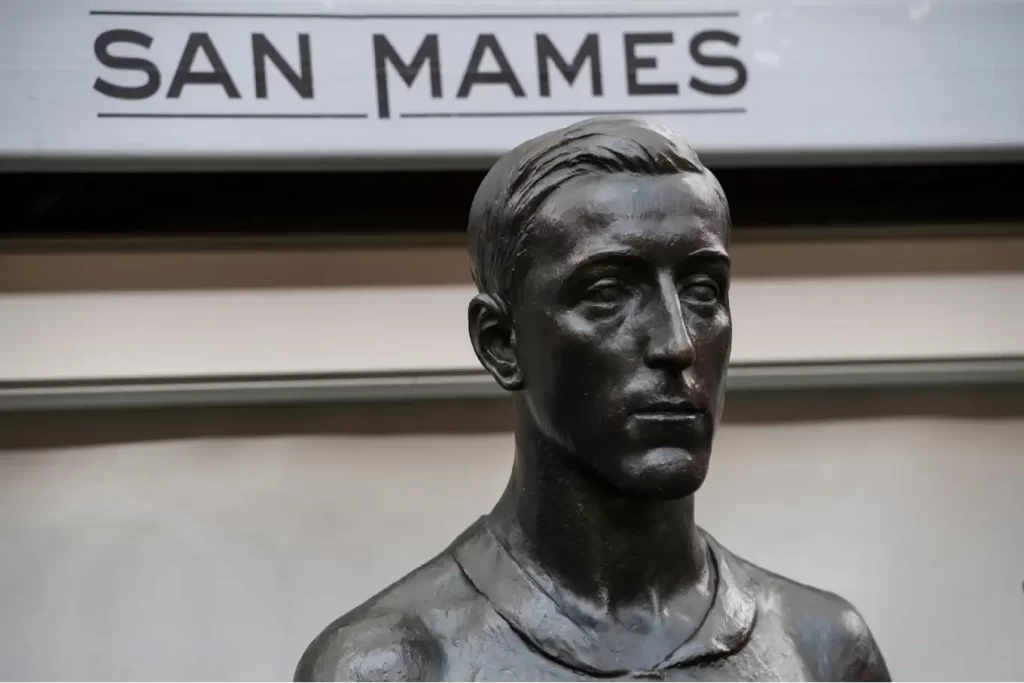
San Mamés is a football stadium located in Bilbao, in the Basque Country, Spain. It is the home ground of Athletic Bilbao and has a seating capacity of 53,289 spectators.
The cornerstone of the stadium was laid on May 26, 2010, and the construction cost was €173 million. San Mamés was officially inaugurated on September 16, 2013, exactly 102 days after the final match was played at the old stadium.
Tourism in Spain
Due to its distinctive geographical location, Spain sits in Southwestern Europe, bordered by France to the northeast and Portugal to the west. To the south, only the Strait of Gibraltar in the Mediterranean Sea separates it from the Arab Maghreb.
Spain is characterized by diverse environments and languages among its population of approximately 47 million people, most of whom speak Spanish. The country is famous for the varied natural landscapes across its vibrant cities, offering natural destinations and cultural attractions that draw nearly 84 million tourists annually, making Spain the second most visited country in the world.
Food lovers enjoy a variety of meats and seafood in Spain, especially the famous Paella dish. You can also enjoy hiking in the mountains of Catalonia, diving near the Strait of Gibraltar, and swimming or sunbathing in Ibiza.
These are among the most popular outdoor activities practiced by both locals and tourists alike. Visitors to Spain can enjoy many tourist sites and destinations, with the most famous being:
Royal Palace of Madrid
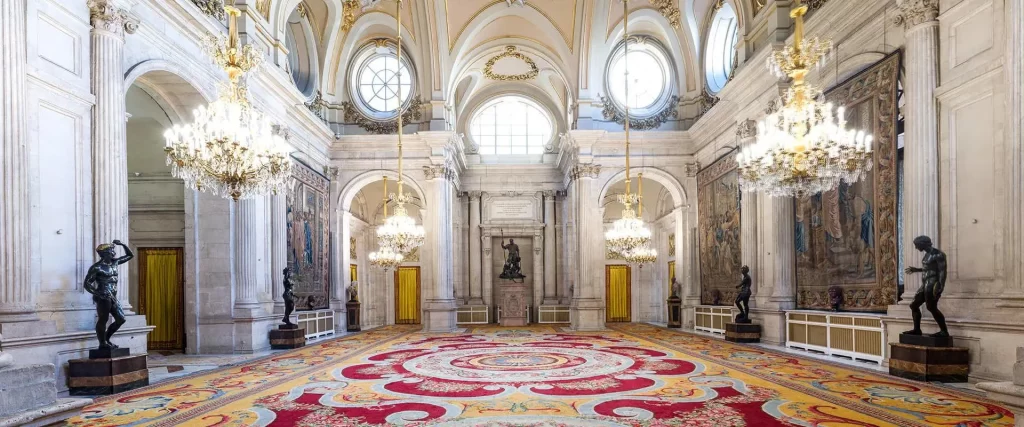
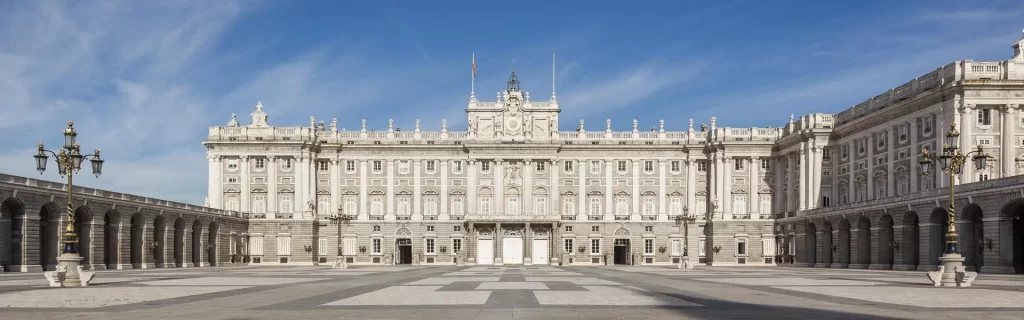
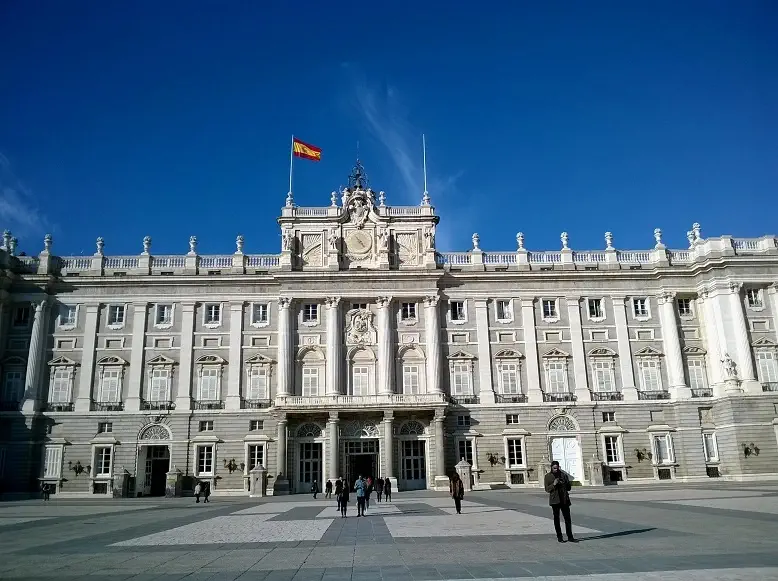
It is one of the most important tourist landmarks in Spain and is also known as the Palacio de Oriente (Palace of the East).
Located in the heart of Madrid, it is renowned as the historic official residence of the Kings of Spain. The palace was constructed between 1738 and 1755 and was chosen as the primary residence of King Charles III in 1764.
Picasso Museum
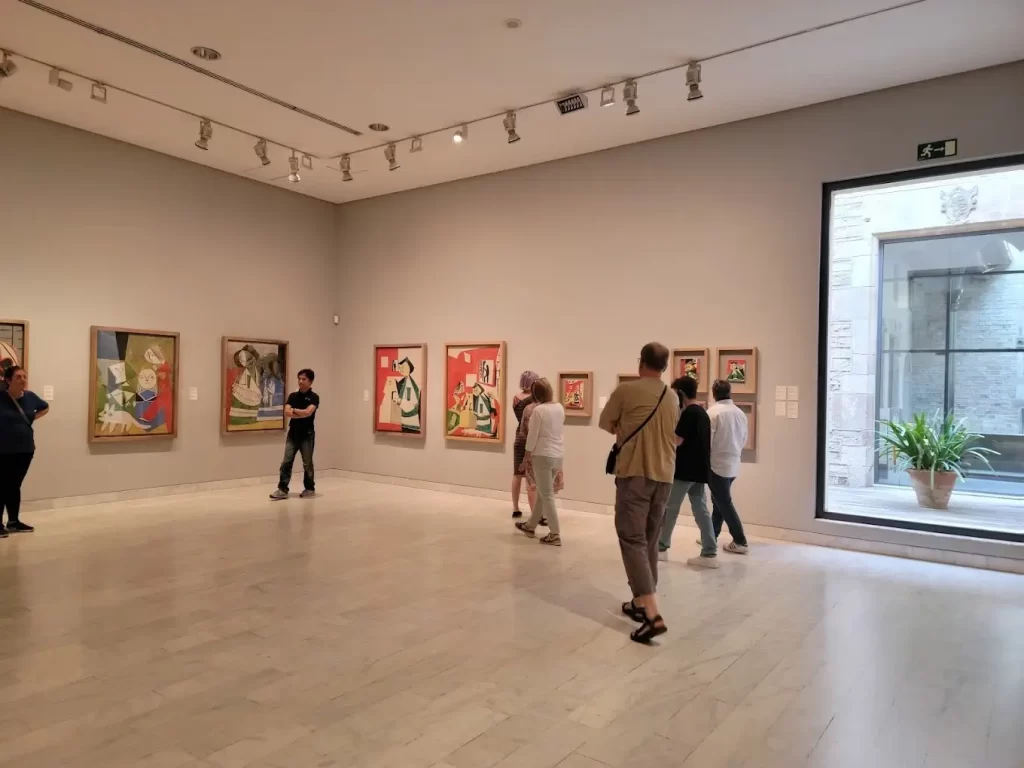
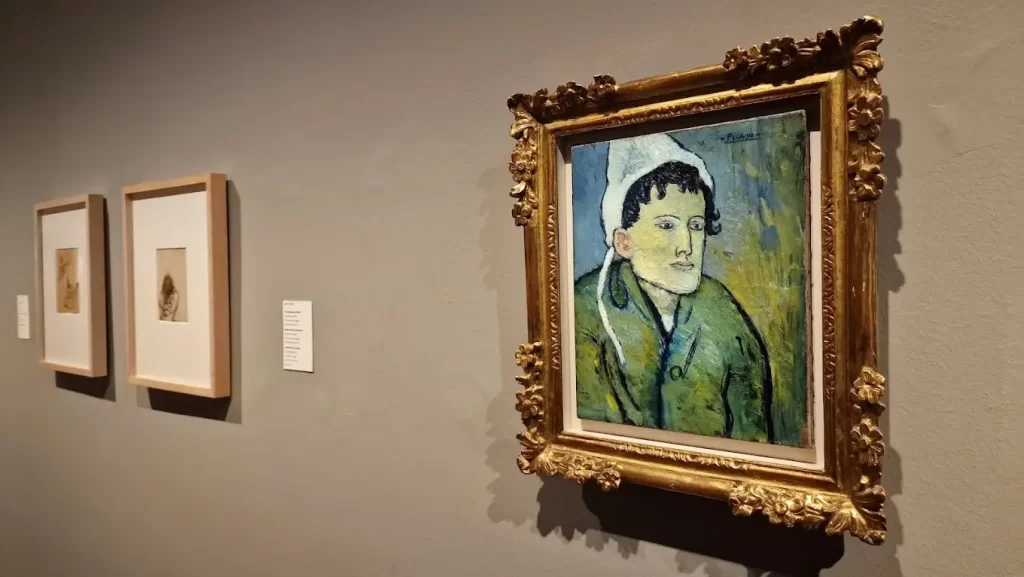
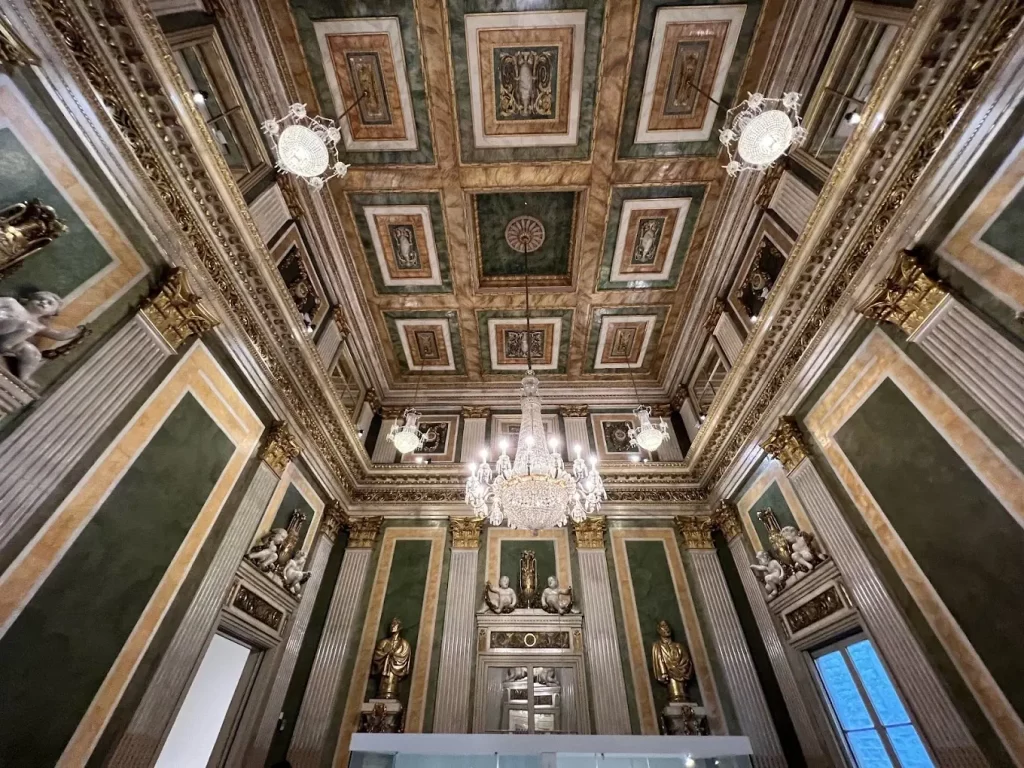
Located in the city of Málaga, the Picasso Museum is considered the top tourist attraction in the city. The museum is housed near the birthplace of the world-renowned artist Pablo Picasso. It features a collection of over 250 works by the painter, allowing visitors to tour the museum and enjoy his extraordinary artistic legacy.
Alhambra
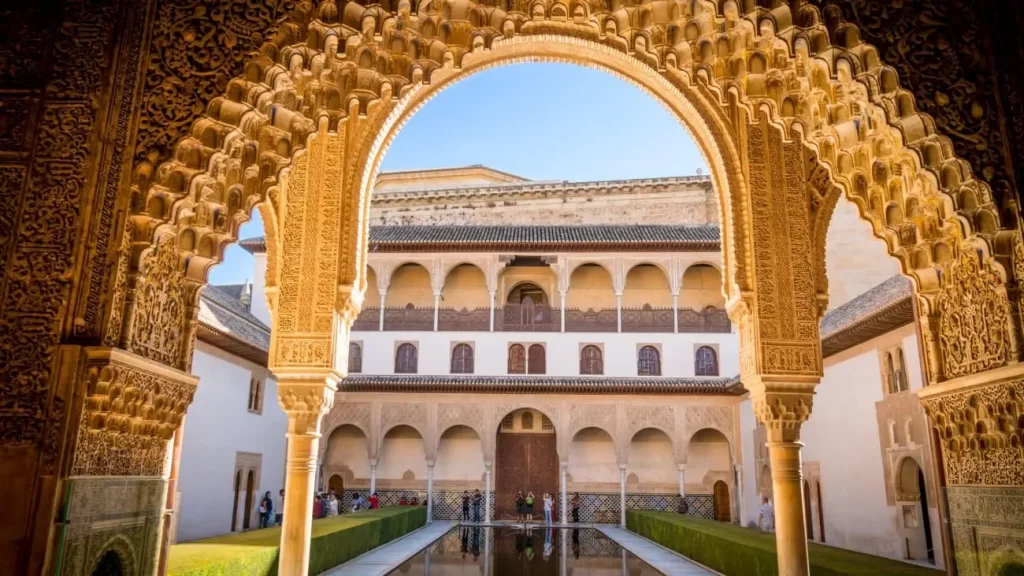
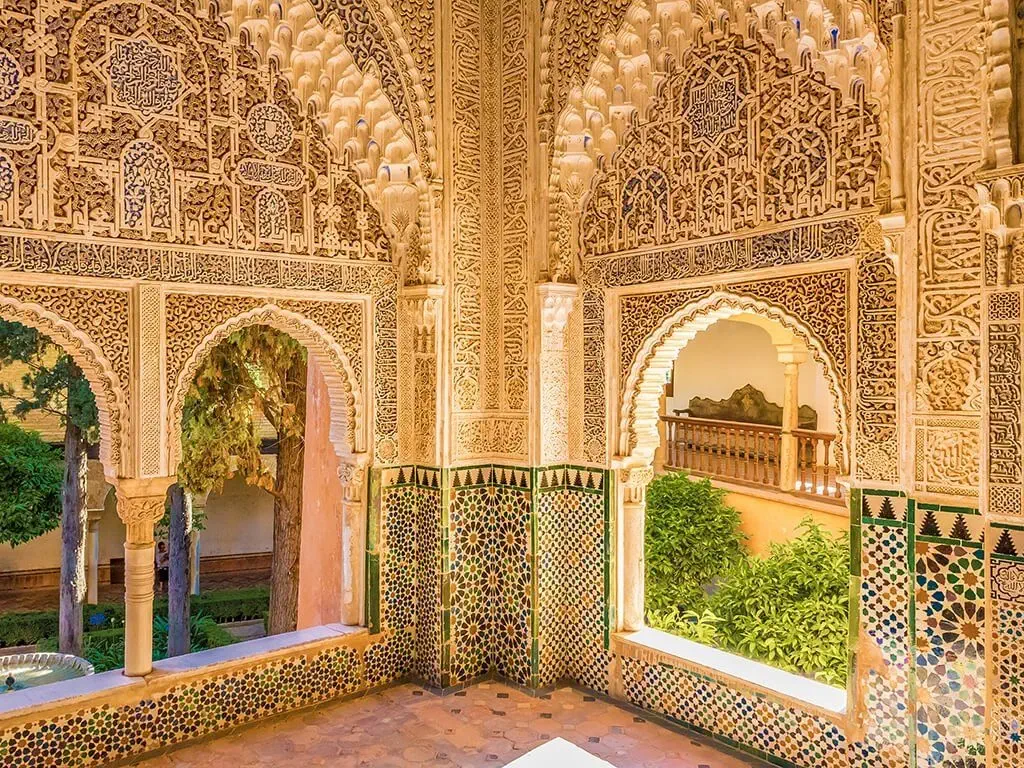
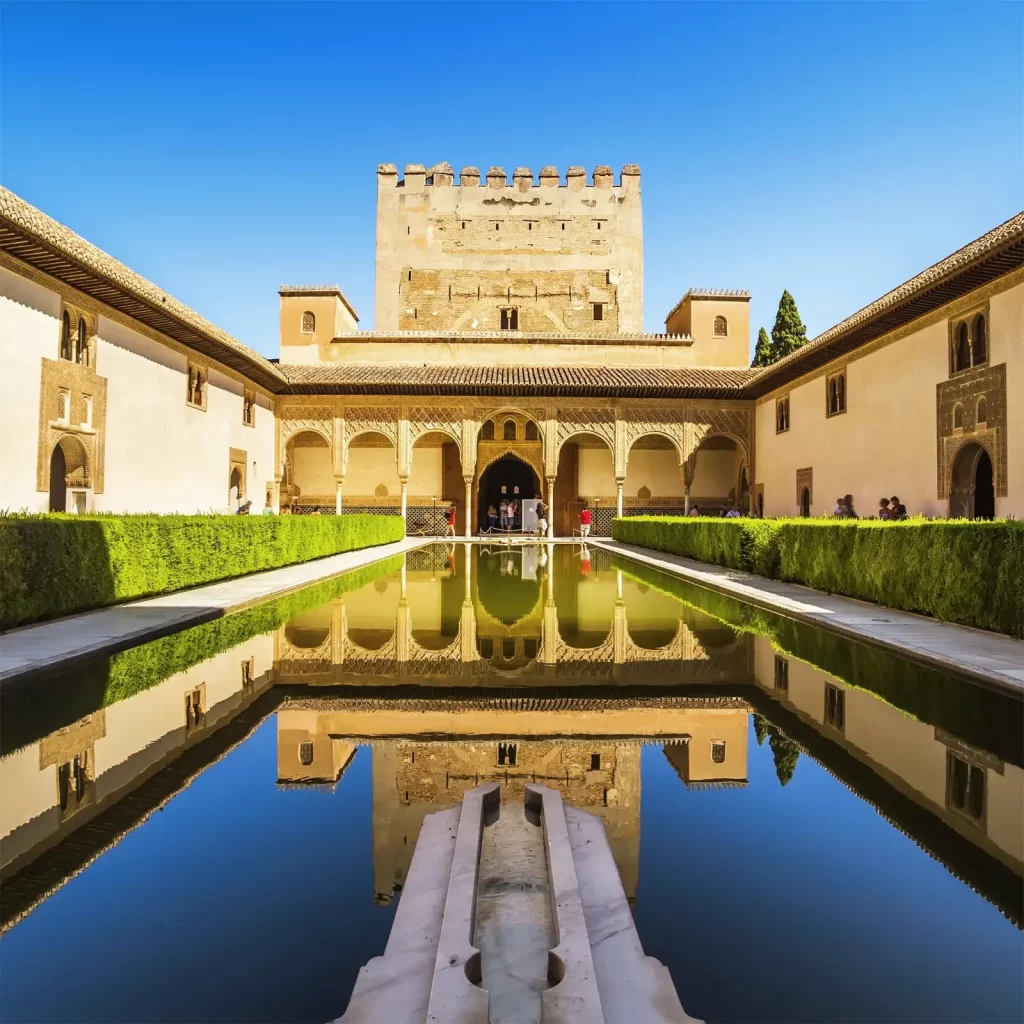
The Alhambra is a dazzling historical palace built during the second half of the 10th century AD. It was constructed by King Abu Abdallah Muhammad I, famously known as Ibn al-Ahmar, in Granada. It is an extraordinary palace of immense beauty, situated on a plateau overlooking the city of Granada in southern Spain.
The Roman Bridge of Córdoba
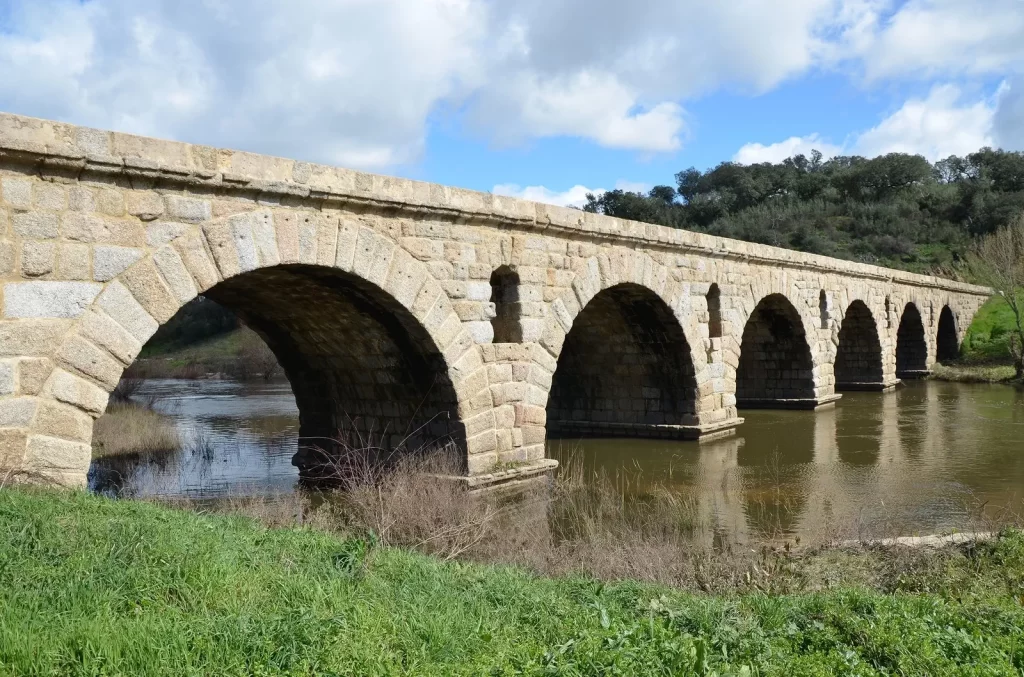
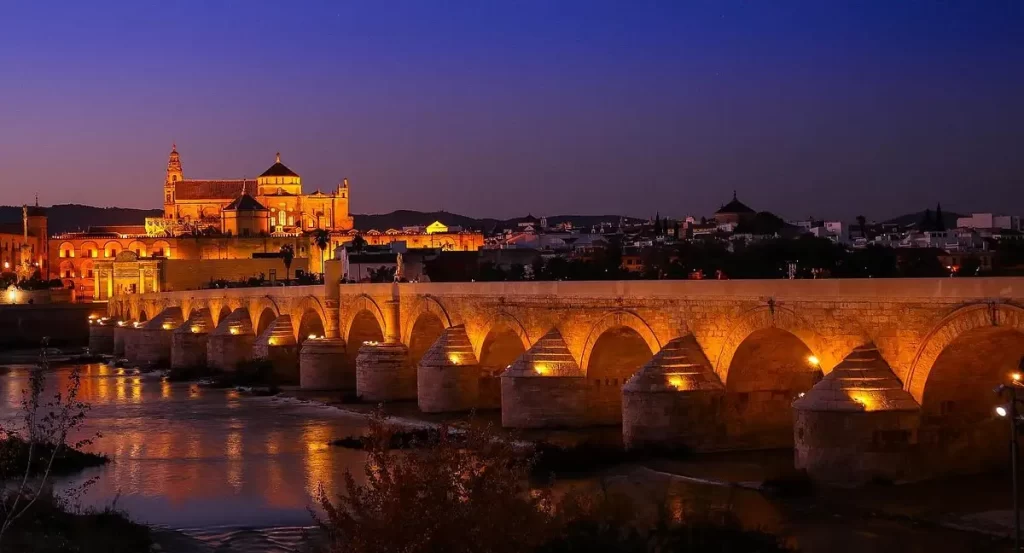
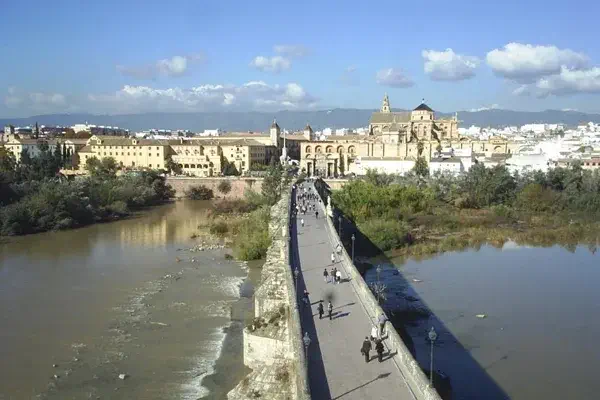
Known as the Roman Bridge (Puente Romano), this structure was built in the 1st century AD when Spain was under Roman rule. It is characterized by a unique blend of Roman and Islamic architectural designs. Tourists can enjoy a boat trip along the Guadalquivir River, offering a stunning view of the city’s natural landscapes and historic architecture.
Museo Nacional del Prado
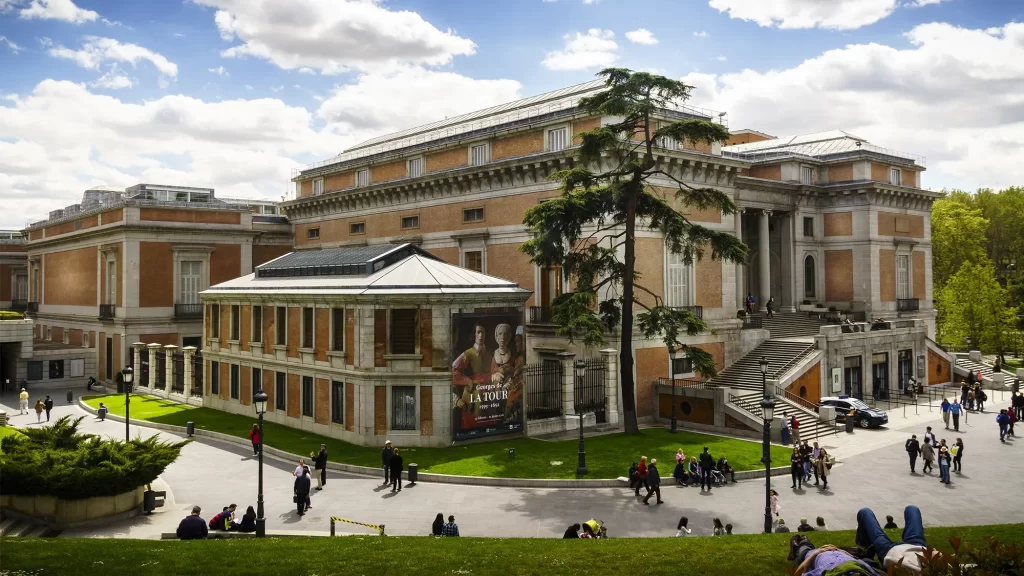
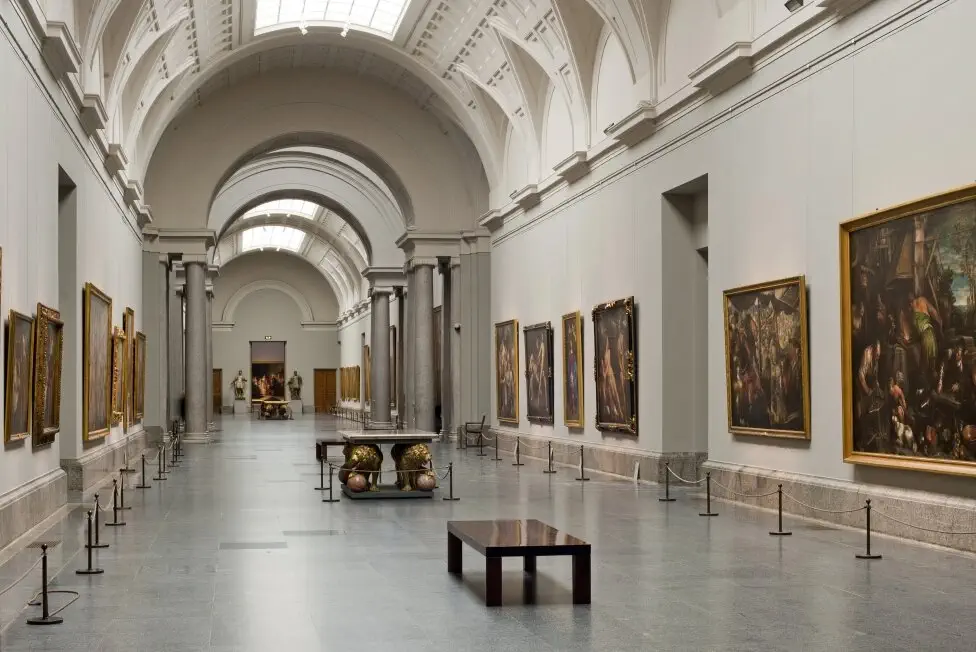
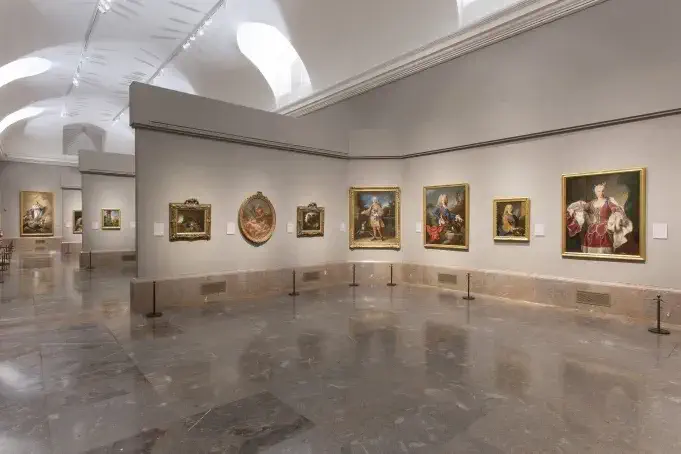
For those seeking cultural tourism, the Prado Museum is a must-visit. As the beating heart of Madrid and a symbol of its cultural heritage, it houses world-class collections featuring masterpieces by artistic giants such as Goya, Velázquez, and El Greco.
The City of Arts and Sciences
Located in Valencia, the “City of Oranges” on Spain’s eastern coast, this complex features the iconic Hemisfèric (Planetarium). Valencia is a vibrant coastal city with numerous stunning beaches, making it a premier destination for maritime tourism.
Read More: Tourism in Spain The Best Tourist Destinations in Spain
Granada
One of Spain’s most significant historical destinations, Granada is famous for its ancient Islamic heritage. Its most prominent landmark is the Alhambra, a majestic Islamic palace and fortress that stands as a testament to an eternal civilization, surrounded by lush, breathtaking gardens.
Barcelona’s Architectural Wonders
The city is renowned for its unique buildings designed by the legendary architect Antoni Gaudí. Additionally, fans of performing arts can enjoy unforgettable experiences in the city’s venues and clubs, which are famous for the passionate rhythms of Flamenco music and dance.
Frequently Asked Questions
Madrid is the enchanting capital of Spain, located in the heart of the country.
It is characterized by vast boulevards, upscale parks, elegant shops, and a mix of modern and traditional restaurants, alongside distinctive historic buildings. Madrid is an ideal city for those who love walking and exploring on foot.
It also attracts museum-goers due to its abundance of cultural landmarks.
There are many stadiums that serve as major sports tourism landmarks in Spain, including Spotify Camp Nou, Santiago Bernabéu, Cívitas Metropolitano, Benito Villamarín, San Mamés, and the Vicente Calderón, in addition to various other stadiums spread across Spanish cities.
Sports tourism is a primary source of revenue in Spain. The country is the third most attractive destination for tourists globally, following France and the United States. Recent reports even suggest that Spain has matched the U.S. figure of 75.6 million annual tourists.
Spain places great importance on various sports, most notably football. A key current goal is to develop the sport globally and attract more followers.
Consequently, La Liga’s revenues have grown at record rates in recent years due to excellent marketing, infrastructure investment, high service quality, and meticulous attention to stadium details and pitch maintenance. All these factors have significantly boosted state revenues and the tourism sector.
Football is the most famous sport, along with Bullfighting, which is unique to Spain.
Other popular activities include diving, as Spain’s diverse marine life and coastlines are perfect for enthusiasts. Additionally, Spain is known for mountain climbing and exploring stunning natural landscapes, rock climbing at various difficulty levels, surfing, cycling, and rowing.