
Spain welcomes travelers from all corners of the globe with open arms, promising an enchanting experience that seamlessly blends ancient history, rich cultural heritage, and spectacular natural landscapes. As one of the world’s premier travel destinations, it draws millions of visitors annually, each eager to explore its unique and timeless treasures.
The country’s historical monuments are as diverse as they are awe-inspiring. Spain boasts a profound heritage spanning multiple eras, from the grand Roman period and the Middle Ages to the golden age of Islamic civilization, which left an indelible and magnificent mark on the region of Andalusia.
Spain’s architectural marvels are world-renowned for their intricate designs and breathtaking grandeur, featuring iconic landmarks such as the legendary Alhambra Palace in Granada and the historic Mosque-Cathedral of Córdoba. Beyond its historic ruins, Spain is brimming with extraordinary contemporary attractions and vibrant city life.
Stroll through the lively avenues of Madrid and enjoy a royal visit to the majestic Royal Palace to discover the legacy of Spanish monarchs. Explore the magnificent city of Barcelona to marvel at Gaudí’s visionary, avant-garde architecture and visit the stunning Basilica of Santa Maria del Mar. Then, journey to enchanting Seville to lose yourself in the romantic beauty of its Andalusian palaces, historic minarets, and lush, hidden gardens.
From its sun-drenched coastlines to its dramatic mountain ranges, Spain’s natural diversity is truly astonishing. Relax along the pristine shores of the spectacular Costa del Sol, soaking in the year-round sunshine and golden sands. For the ultimate escape, discover the paradise of the Balearic and Canary Islands, where breathtaking panoramic vistas, turquoise waters, and thrilling water sports await you.
Archaeological Sites in Spain
Spain beautifully blends breathtaking natural beauty, ancient heritage, and a uniquely vibrant culture, making it an unforgettable travel destination. Embark on a journey of discovery across Spain and immerse yourself in an enchanting, world-class experience that is truly worth exploring and savoring.
The country is distinguished by its fascinating archaeological and historical sites, which beautifully display exquisite Moorish and Arabic artistic touches alongside ancient Spanish civilizations and a rich cultural legacy. Countless remarkable historic landmarks await to be explored throughout every corner of the country.
Here is a curated look at some of the most spectacular archaeological and historical sites in Spain:
Tarragona
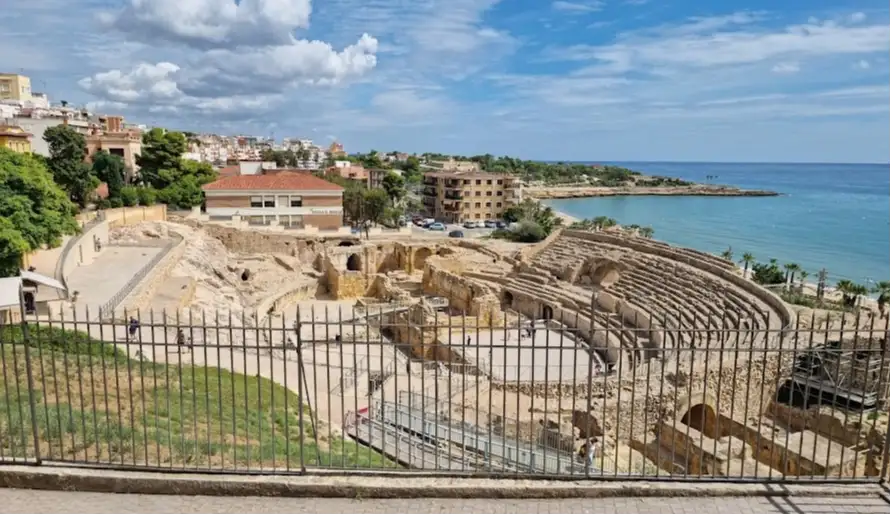
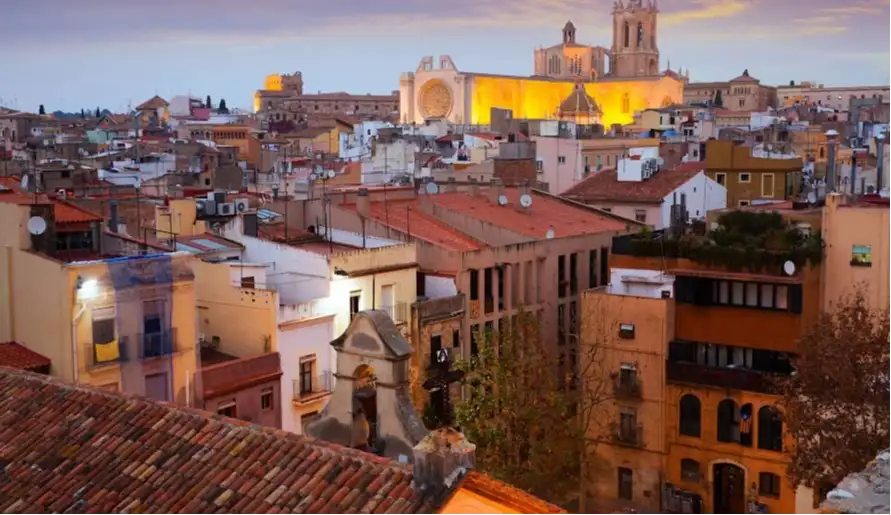
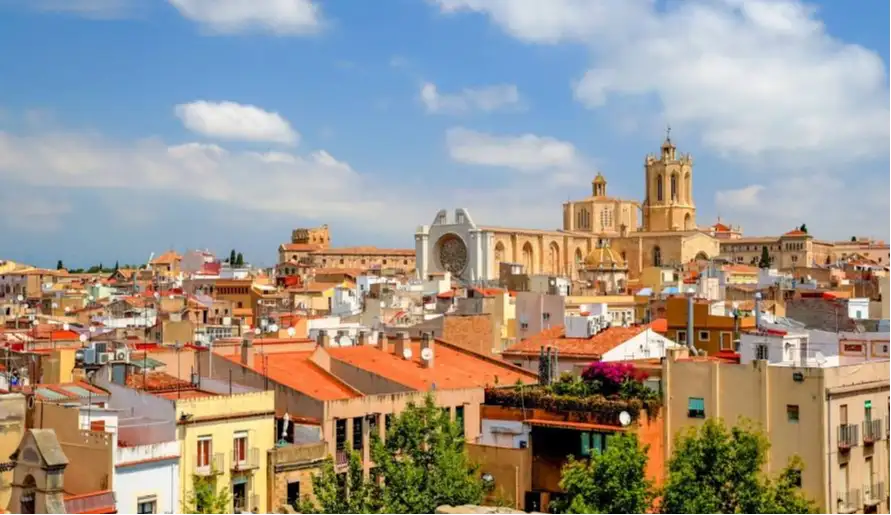
Located in the northeastern region of Catalonia, the historic coastal city of Tarragona is globally renowned for its remarkably preserved and highly significant Roman archaeological heritage.
Once the grand capital of the Roman Empire on the Iberian Peninsula, the city proudly showcases spectacular ancient ruins, including its iconic seaside amphitheater, theaters, temples, imposing city walls, and monumental gates.
Due to its exceptional historical value, the entire Roman archaeological ensemble of Tarragona has been designated as a UNESCO World Heritage site, making it a captivating destination for history enthusiasts.
Mérida
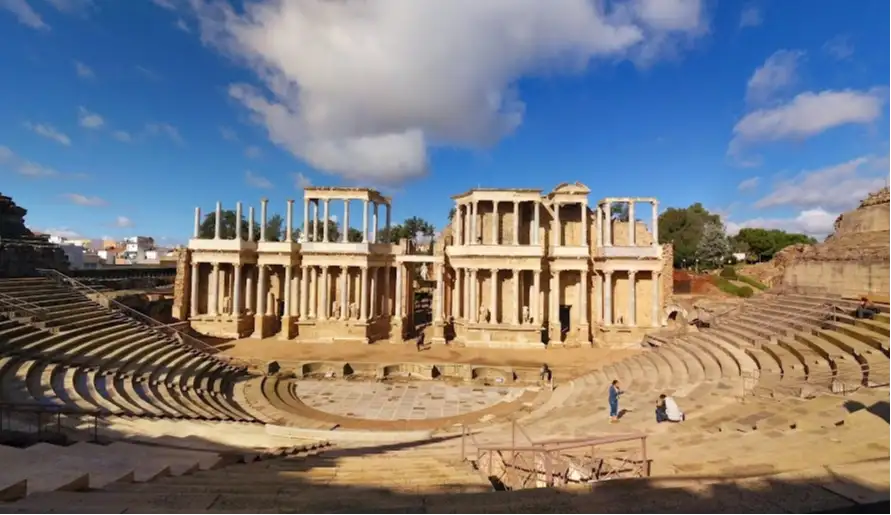
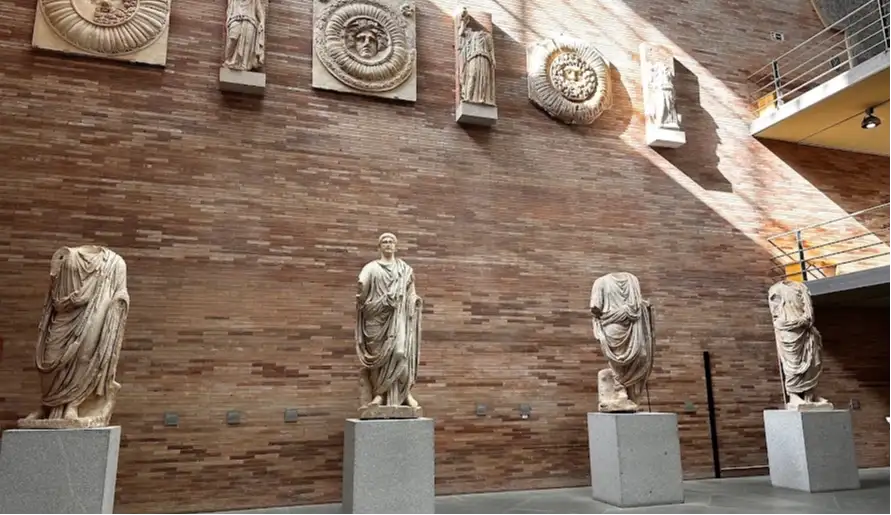
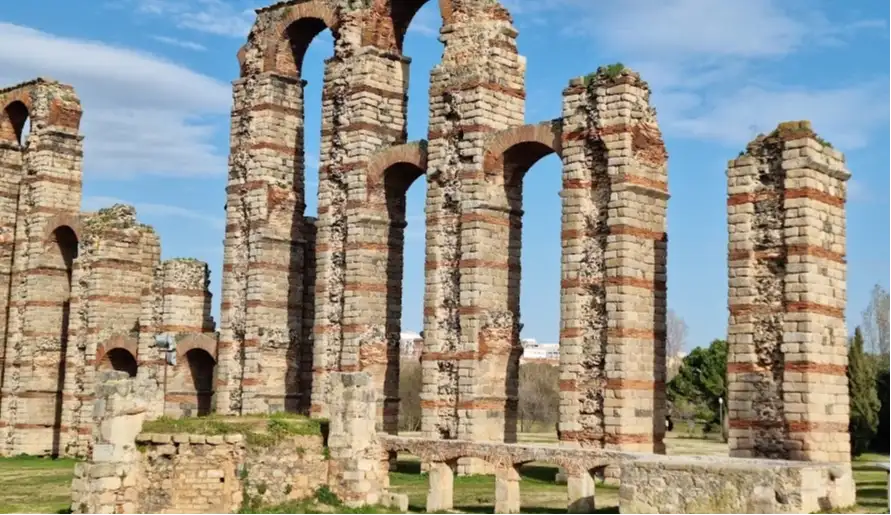
The historic city of Mérida (located in the Extremadura region) stands as one of the most magnificent and significant Roman archaeological sites in Europe. Brimming with impeccably preserved ancient monuments, the city is a living museum featuring majestic theaters, expansive forums, and monumental bridges.
Mérida holds immense historical and cultural importance due to its rich heritage and surviving Roman legacy. Founded in 25 BC as a Roman colony under the imperial name Emerita Augusta, it served as the grand capital of the Roman province of Lusitania, developing into a powerful strategic and economic hub. Today, Mérida boasts some of the world’s finest and best-preserved Roman architecture, including:
- The Roman Theatre (Teatro Romano): Undoubtedly one of the most iconic landmarks in Mérida. Built in the 1st century BC, this breathtaking amphitheater was used for theatrical performances and games during the Roman Empire, and remarkably, it still hosts live open-air theater festivals today.
- The Arch of Trajan (Arco de Trajano): A monumental ancient gateway that stands proudly in the heart of the city. Dating back to the Roman era, this impressive arch is traditionally celebrated as a tribute to the grand architecture of Emperor Trajan’s time.
- The Temple of Diana (Templo de Diana): One of the most striking and structurally sound Roman temples in Mérida. Erected in the 1st century BC, this sacred imperial building features majestic granite columns and was dedicated to the Roman cult and the goddess Diana.
Read also: Tourism in Fuengirola Best Tourist Attractions and Beaches
Mirabel
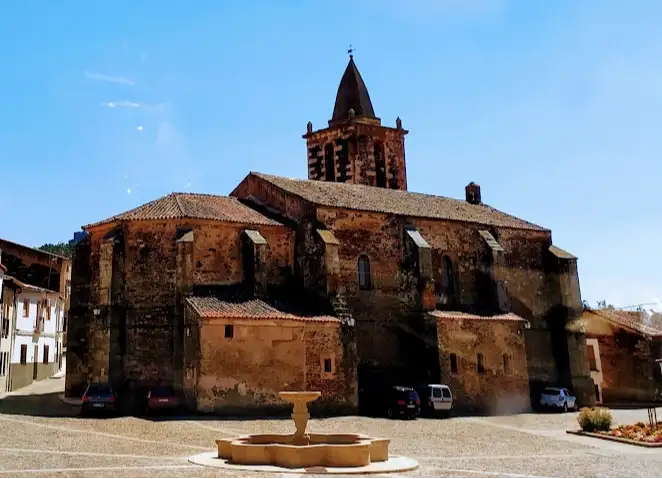
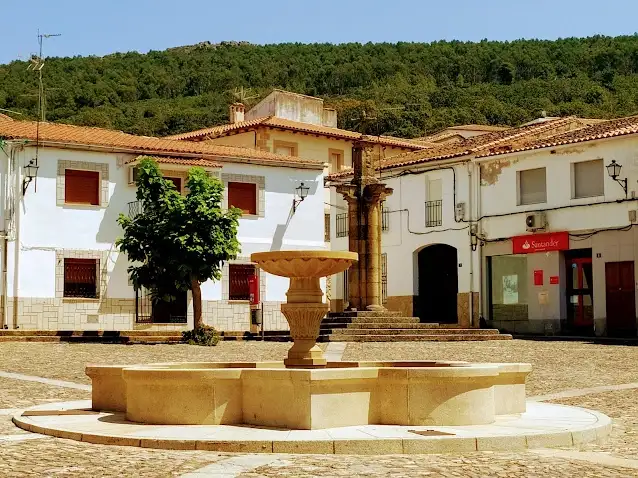
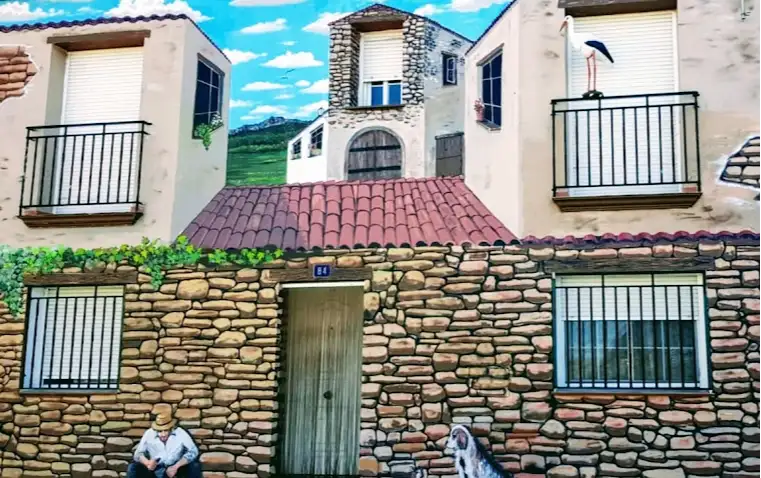
Located on the sun-drenched shores of southern Spain (specifically in Tarifa, Cádiz), the ancient Roman city of Baelo Claudia is a stunning coastal archaeological treasure originally established in the late 2nd century BC. Strategically positioned right at the edge of the Atlantic ocean, the site is exceptionally famous for its remarkably preserved ruins, which include the grand Forum, imperial temples, fortified walls, thermal baths, and a historic fishing port with its famous ancient fish-salting factory.
It stands today as one of the absolute best, most complete, and visually spectacular examples of a Roman urban settlement ever discovered in the Andalusian region, offering a captivating glimpse into ancient Mediterranean maritime life.
Alcazar de Segovia
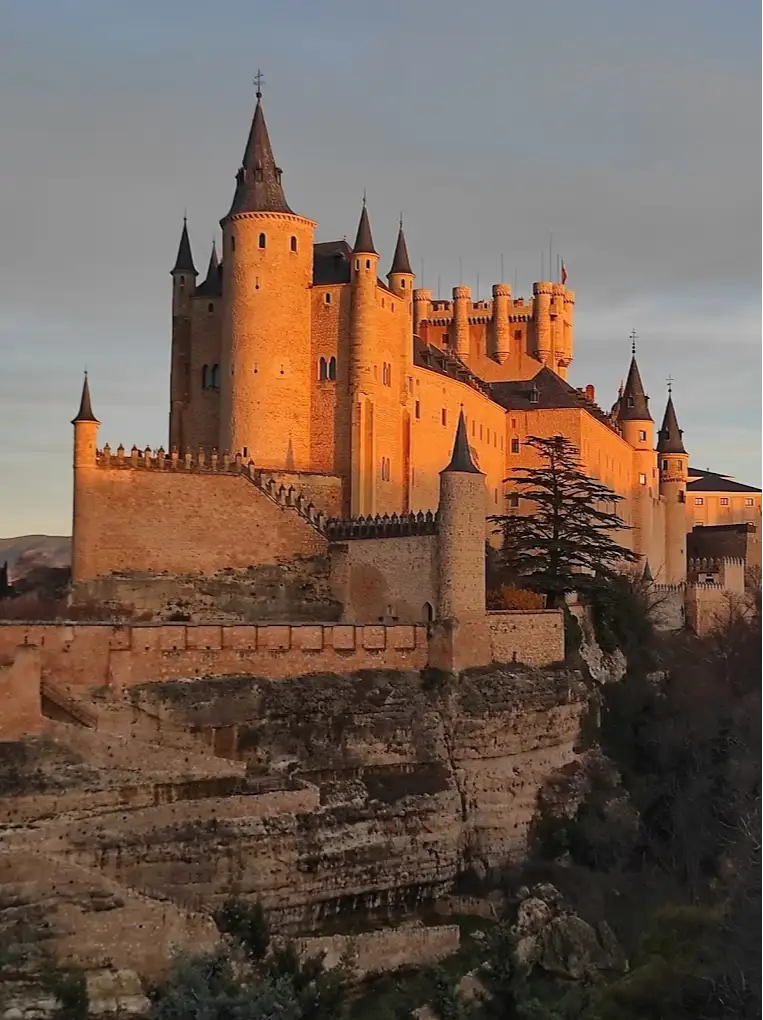
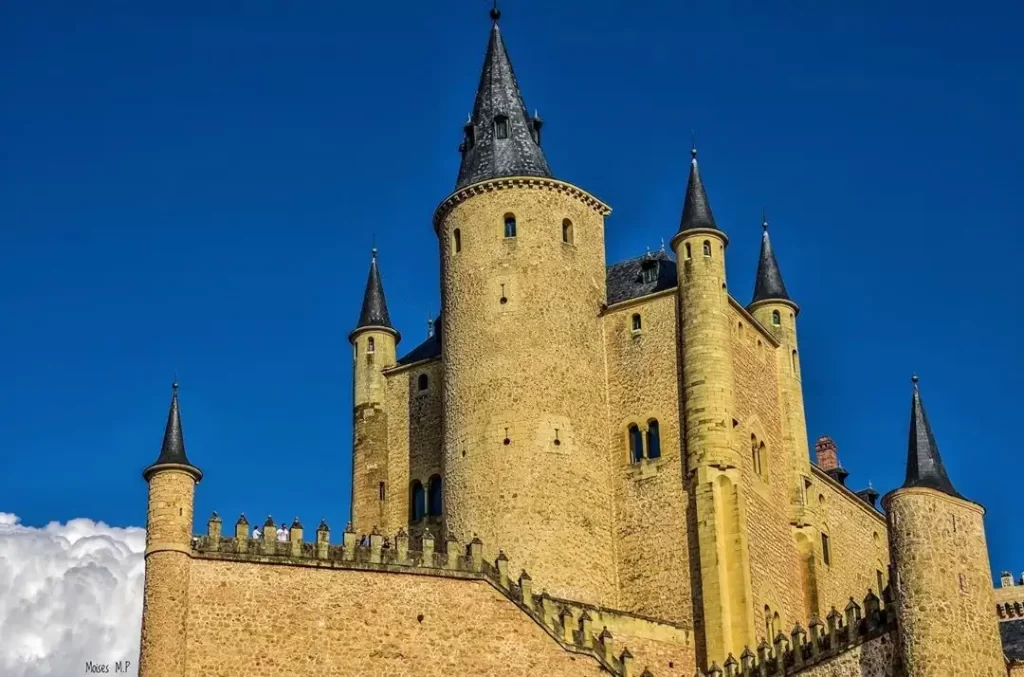
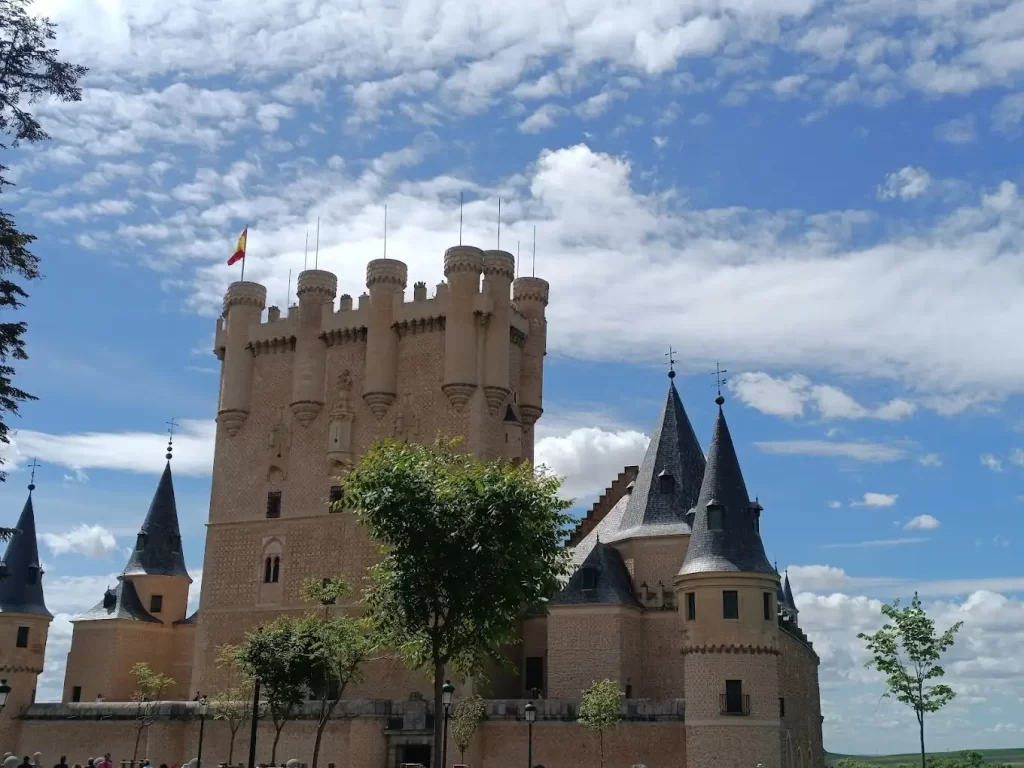
Perched majestically in the historic city of Segovia within the Castile and León region, the Alcázar of Segovia is a breathtaking medieval fortress-palace originally constructed in the 12th century.
Renowned for its fairytale-like architecture, it beautifully features a striking blend of Gothic and Mudéjar designs, characterized by its elegant towers and soaring turrets.
Strategically located on a massive rocky crag overlooking the valley, this imposing palace stands as one of Spain’s most iconic and heavily visited cultural landmarks, offering travelers an unforgettable journey into royal history and romance.
Granada
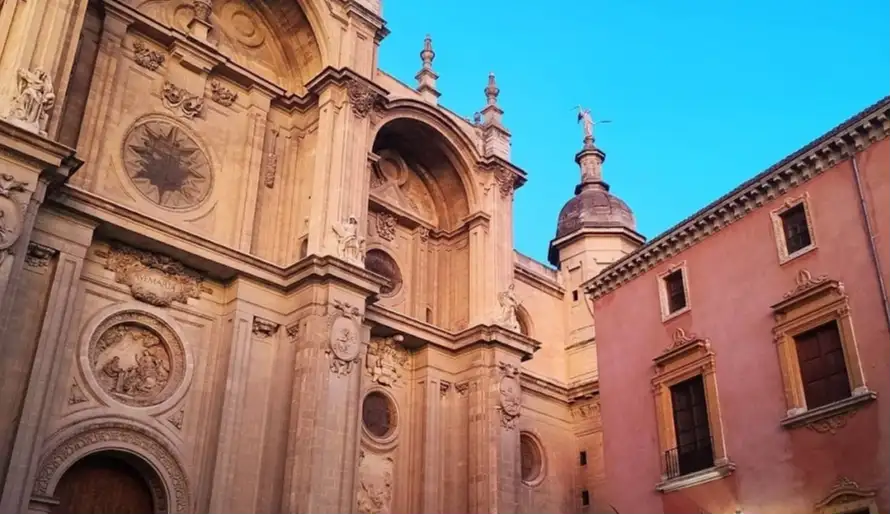
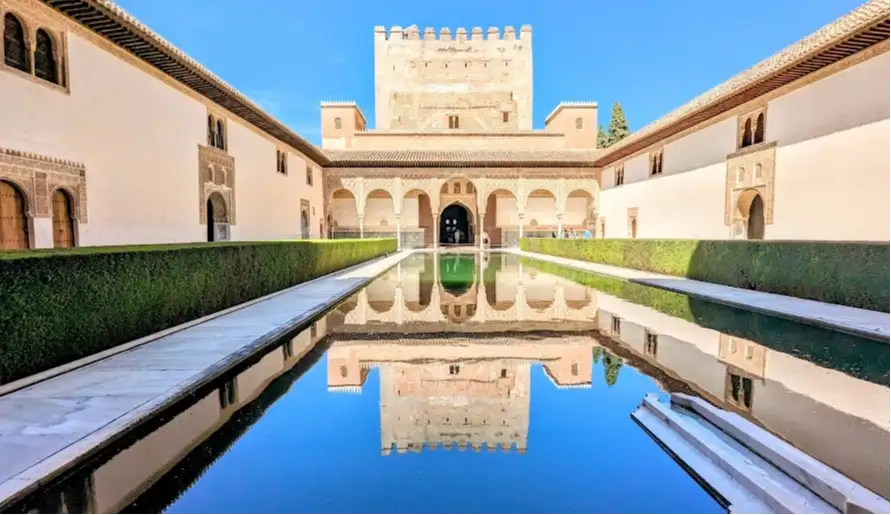
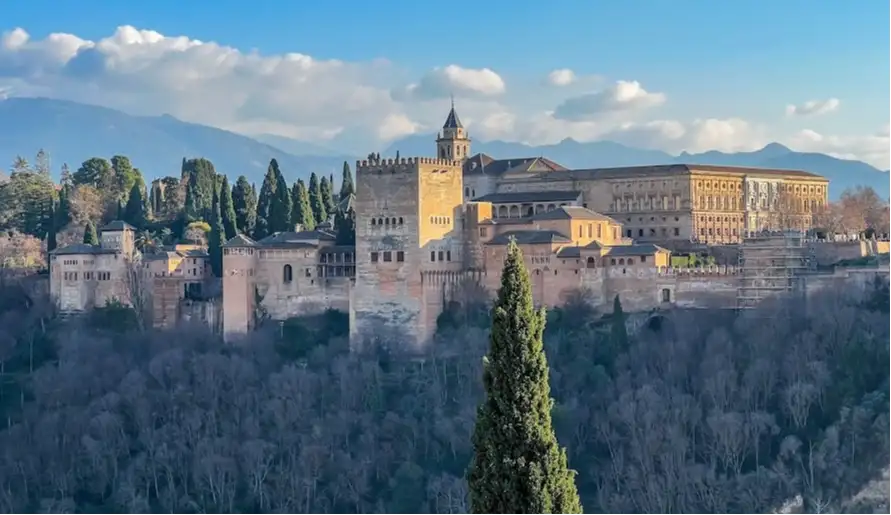
Nestled in the breathtaking mountains of southern Spain, the magical city of Granada cradles some of the world’s most significant and awe-inspiring archaeological and historical treasures.
Among its crowning jewels are the legendary Alhambra Palace complex, the sprawling historic Moorish quarter of the Albaicín (the ancient Arab old town), and the magnificent Generalife Palace and Gardens (the historic summer residence of the sultans).
Together, these marvelously preserved UNESCO World Heritage sites brilliantly reflect the city’s golden era, showcasing the profound artistic legacy and sophisticated influence of Islamic civilization in the Andalusian region.
Read also: Driver and Tour Guide Prices in Spain
Islamic Archaeological Sites in Spain
Spain boasts a profoundly rich and diverse history that traces its roots deeply into the golden eras of Islamic civilization. Throughout the Middle Ages, the Iberian Peninsula—then known as Al-Andalus—stood as a thriving cultural, intellectual, and urban epicenter of the world. Over the centuries, a breathtaking array of Islamic archaeological and architectural wonders were erected across the land, beautifully reflecting the grandeur, sophistication, and brilliance of that historic epoch.
These monumental sites are globally renowned for their majestic and unique designs, serving as a timeless testament to the extraordinary skill and genius of Muslim master artisans, engineers, and architects. From sweeping mosques and lavish palaces to imposing desert fortresses, these landmarks are characterized by their intricately decorated stucco walls, breathtaking geometric arches, lush courtyards, and mesmerizing arabesque inscriptions that eloquently tell the story of a civilization that flourished in harmony.
When traveling through Spain and exploring these historic gems, visitors are invited to immerse themselves in a fascinating, multi-dimensional history. Spain’s pristine royal palaces, historic citadels, and world-class museums beautifully preserve these priceless treasures, offering travelers an unparalleled opportunity to discover and appreciate the deep-rooted Islamic heritage woven into the cultural fabric of modern Spain.
Stepping into these ancient spaces is more than a simple tour; it is a profound journey through time to uncover the lasting impact of Islamic civilization on this beautiful country. It is an invitation to walk in the footsteps of the visionary kings, rulers, poets, and scientists whose brilliant cultural, artistic, and scientific legacies permanently enriched Spain and the world.
Here is a curated look at some of the most celebrated and iconic Islamic archaeological sites in Spain, spanning from the 8th to the 15th centuries:
Alhambra Granada
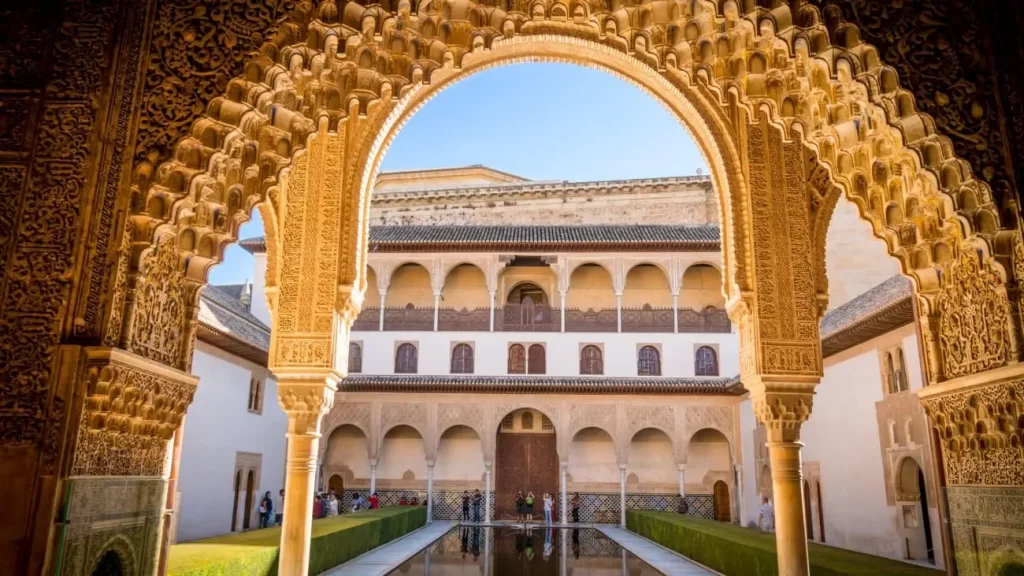
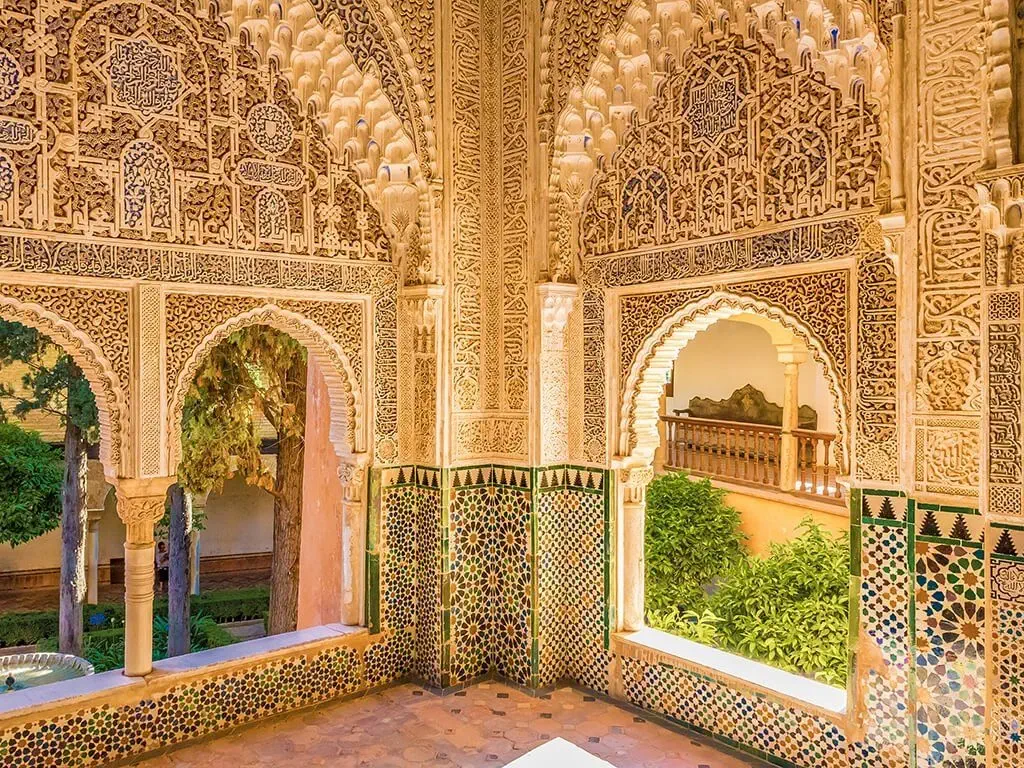
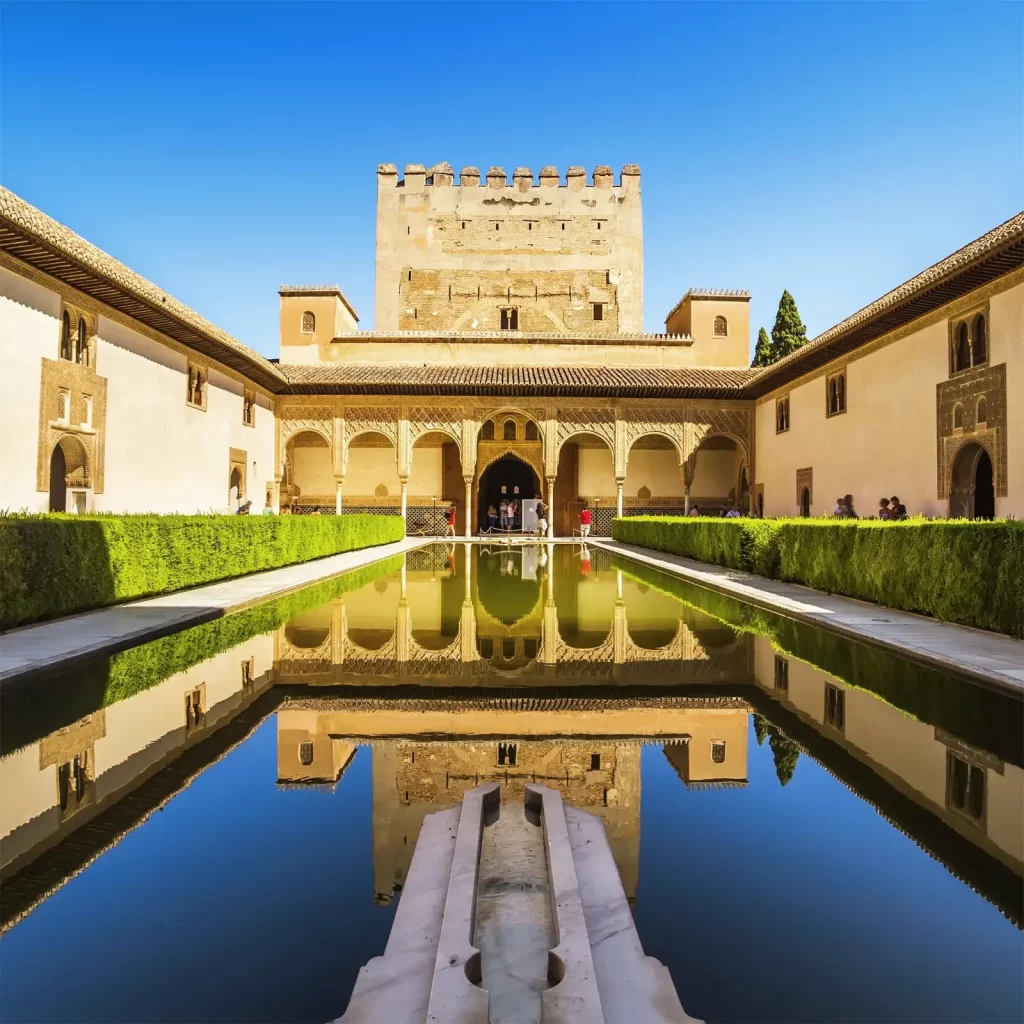
The legendary Alhambra Palace in Granada stands as one of the most majestic and breathtaking archaeological treasures in Spain, dating back to the golden era of medieval Al-Andalus.
Originally constructed as an impregnable fortress and a lavish royal palace complex for the sultans of the Nasrid Dynasty—the rulers of the Islamic Kingdom of Granada—it is a true masterpiece of human creativity.
The Alhambra is globally celebrated for its unparalleled and exquisitely preserved Islamic architecture, featuring mesmerizing geometric tilework, delicate stuccos, and enchanting courtyards like the famous Court of the Lions.
Together with the neighboring paradise of the Generalife, its lush, water-flowing gardens create a harmonious sanctuary that perfectly embodies the romance and sophisticated legacy of Andalusian history.
Great Mosque of Cordoba
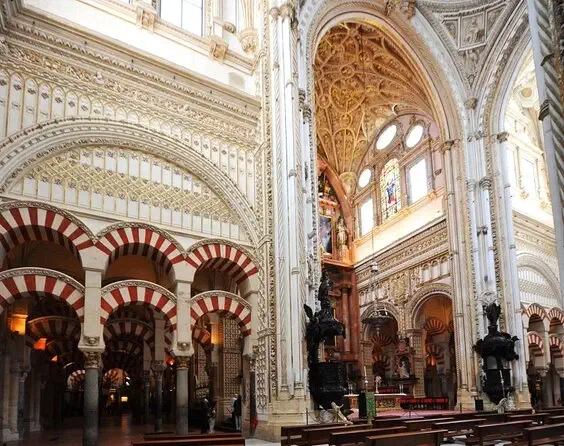
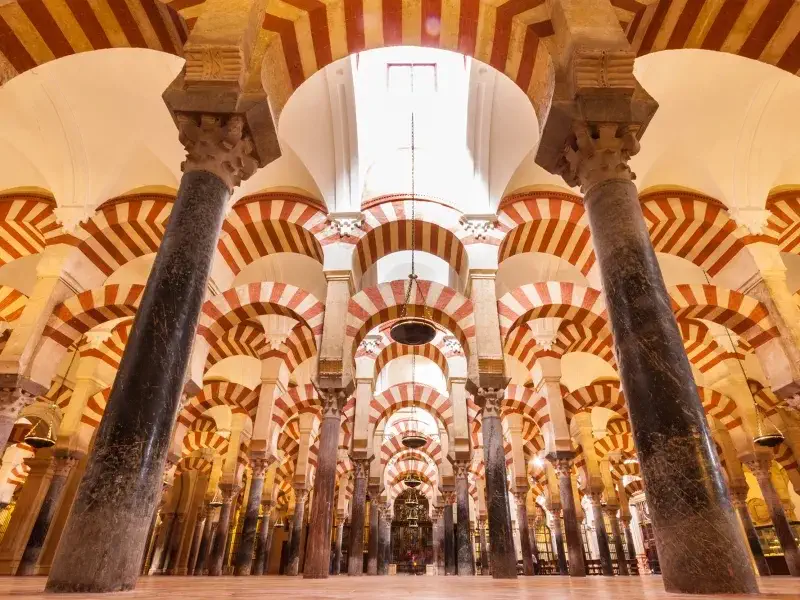
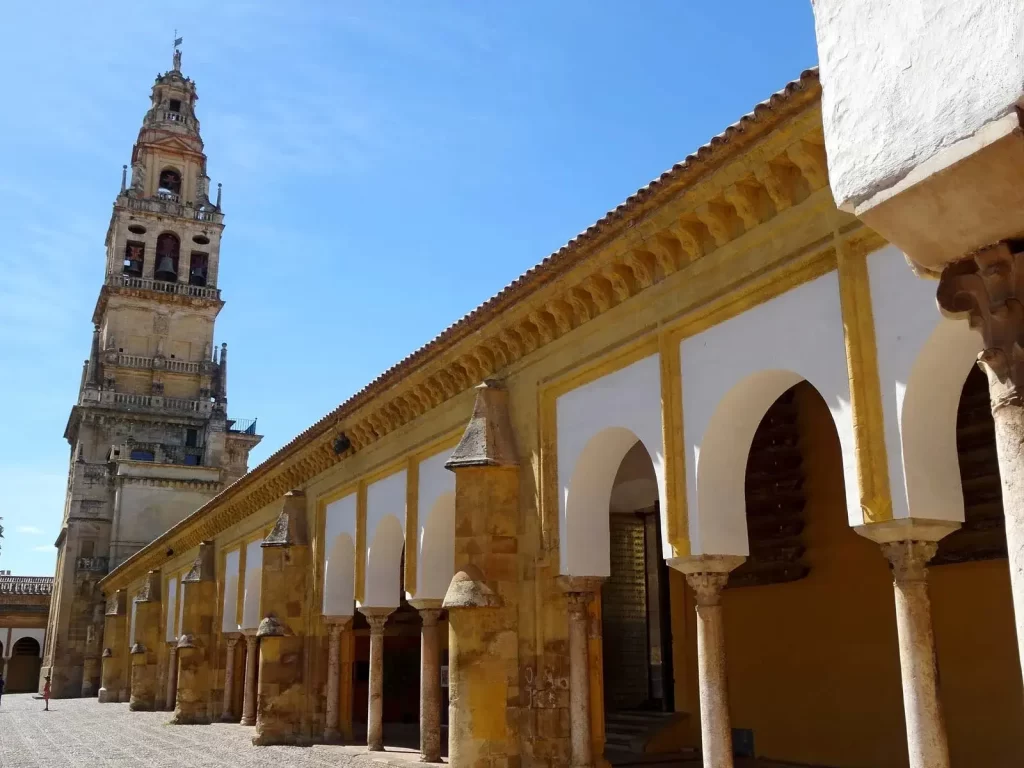
The Great Mosque of Córdoba stands as one of the most iconic, magnificent, and historically significant Islamic monuments in the Western world. Originally constructed in the 8th century under the Umayyad dynasty, this architectural marvel was later converted into a cathedral following the Reconquista.
Despite this transition, its original, breathtaking Islamic architecture remains impeccably preserved, serving as a brilliant, timeless testament to the genius of Andalusian art.
Celebrated globally for its mesmerizing forest of red-and-white double arches and its exquisitely detailed golden Mihrab, it remains an awe-inspiring sanctuary where history and cultures profoundly intertwine.
Read also: Fuengirola’s Top Luxury 5-Star Hotels Your Ultimate Guide
Bab Al-Mardum, Toledo
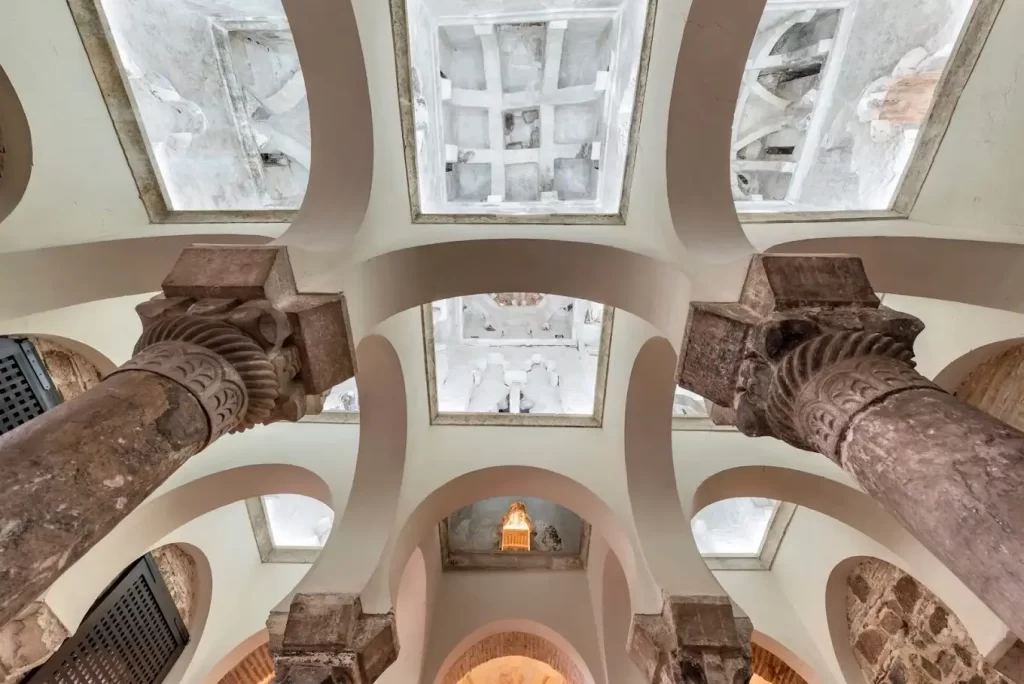
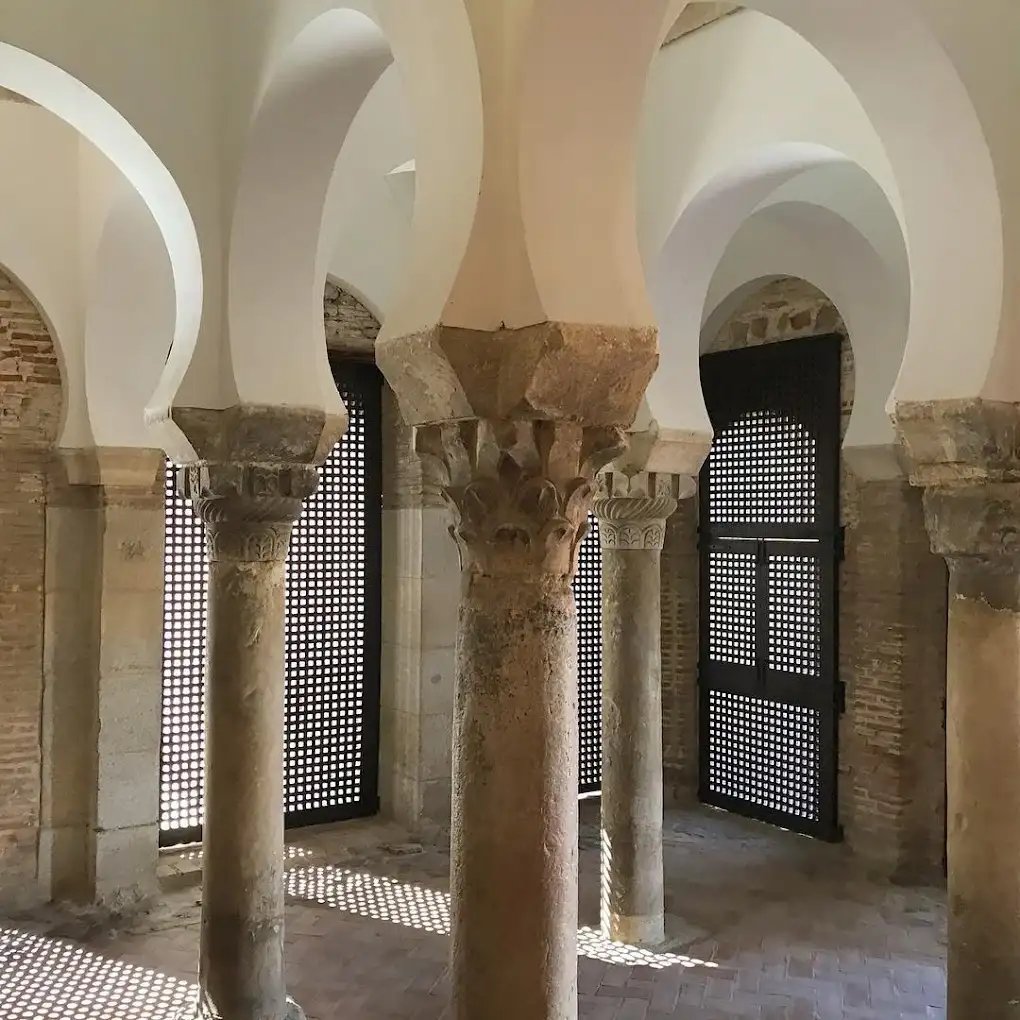
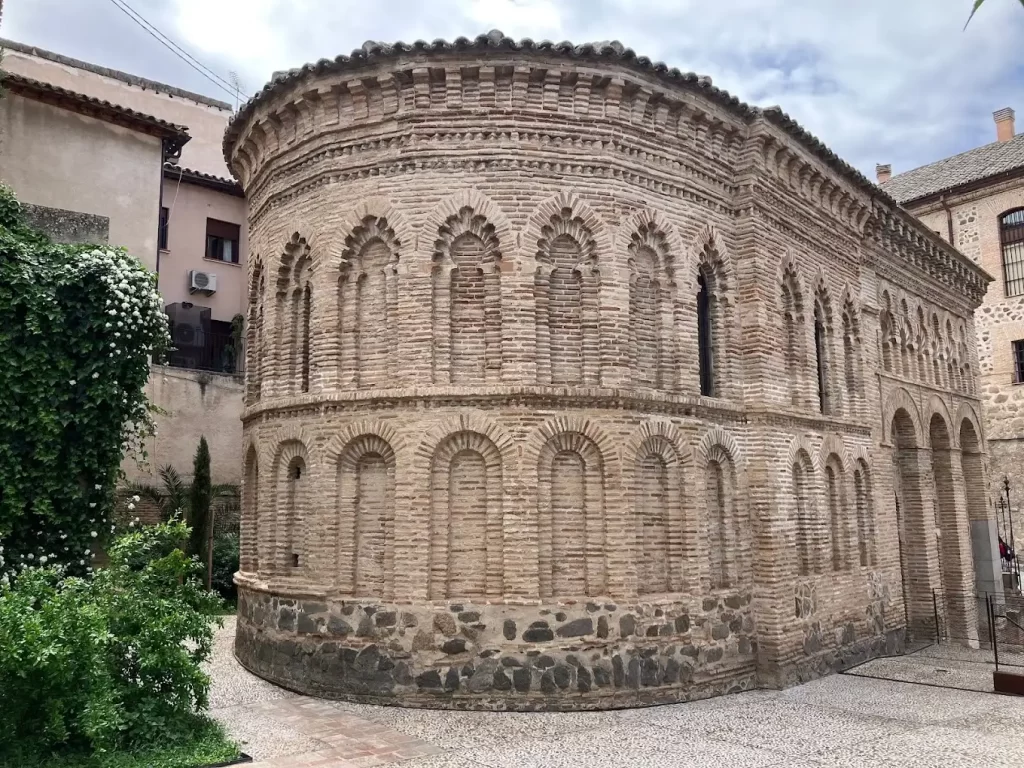
The Bab al-Mardum Mosque stands as one of the most prominent, exceptional, and beautifully preserved Islamic landmarks in the historic city of Toledo. Erected in the late 10th century (999 AD) during the height of the Caliphate era, it is celebrated as the oldest surviving Islamic monument in the city.
Located near the ancient Puerta de Valmardón (the historic city gate), this architectural gem is globally renowned for its magnificent Moorish brickwork, elegant horseshoe arches, and its unique nine-domed ceiling inspired by the Great Mosque of Córdoba.
These legendary sites beautifully reflect Spain’s rich Islamic heritage and the profound cultural, artistic, and intellectual impact left behind during this golden historical epoch, making Toledo an unmissable stop for elite travelers.
Top Tourist Destinations in Spain
Spain, a breathtaking country nestled in southwestern Europe, stands as one of the world’s premier travel destinations. Celebrated for its stunning natural diversity, profound history, and uniquely vibrant culture, Spain is an ideal haven for travelers seeking an unforgettable journey filled with exploration and world-class attractions.
Boasting a diverse climate, the absolute best time to visit Spain depends on your personal weather preferences and travel goals. However, the shoulder seasons (spring and autumn) are widely considered ideal, offering remarkably pleasant weather and fewer tourist crowds.
Here is an exclusive guide to the most iconic destinations and tourist landmarks in Spain:
1. Barcelona (The Capital of Catalan Art & Sea)
Barcelona is a magnificent coastal metropolis located on the northeastern coast of Spain. As the vibrant capital of the Catalonia region, tourism serves as a cornerstone of its thriving economy, drawing millions to its unique seaside charm and avant-garde spirit.
- Key Landmarks: The city is globally renowned for the eccentric, visionary architectural masterpieces of Antoni Gaudí. Key highlights include the breathtaking Park Güell, the historic Basilica of Santa Maria del Mar, and the bustling hub of Plaça de Catalunya.
- Premium Accommodations:
- Eurostars Grand Marina (5-Star): A luxurious five-star hotel boasting a prime waterfront location, offering stunning, panoramic views over the grand port and the Mediterranean Sea.
- Majestic Hotel & Spa Barcelona (5-Star GL): Situated on the prestigious Passeig de Gràcia, this grand luxury hotel is just a short 10-minute stroll from the iconic La Rambla.
- Catalonia Barcelona Plaza (4-Star): Located next to the historic Plaza España, this hotel is highly favored for its close proximity to premium shopping centers and excellent dining options.
- Royal Ramblas (4-Star): Positioned directly on the famous La Rambla promenade, this highly-rated hotel offers unparalleled convenience and exceptional guest reviews.
Read also: Tourism in Seville The Best Tourist Attractions in Seville
2. Madrid (The Regal Capital)
As Spain’s majestic capital, Madrid is a world-class cultural destination. The city is defined by its elegant boulevards, expansive manicured parks, and an extraordinary culinary and nightlife scene.
- Key Landmarks: Madrid boasts an exceptional array of cultural monuments, including the world-renowned Prado Museum, the monumental Royal Palace (Palacio Real), and the historic, arcaded square of Plaza Mayor.
3. Granada (The Moorish Jewel of Andalusia)
Nestled at the foot of the Sierra Nevada mountains in southern Spain, Granada is a city steeped in romance and timeless Andalusian allure.
- Key Landmarks: It is home to one of the greatest architectural wonders of the world, the legendary Alhambra Palace and Fortress complex. Visitors can explore the lavish Nasrid Palaces, the stunning Granada Cathedral, the historic hilltop Moorish quarter of the Albaicín, and the paradise-like terraced gardens of the Generalife.
4. Seville (The Heart of Flamenco)
Seville captivates travelers with its passionate energy, traditional flamenco rhythms, and deep-rooted historical heritage.
- Key Landmarks: The city’s crown jewels include the monumental Seville Cathedral, the stunning Alcázar Palace, the iconic Giralda Tower, and the historic Torre del Oro (Tower of Gold). Travelers should not miss walking through the breathtaking Plaza de España, admiring the modern Setas de Sevilla (Metropol Parasol), exploring the winding alleys of Barrio Santa Cruz, or visiting the historic Real Maestranza Bullring and the lush María Luisa Park.
5. Marbella (The Sun-Drenched Luxury Haven)
Affectionately known as the “Sun Sanctuary,” Marbella is the ultimate luxury resort city in southern Spain, shining brightly along the glamorous Costa del Sol.
- The Old Town (Casco Antiguo): The historic and cultural heart of Marbella. Travelers can lose themselves in its narrow, whitewashed streets, adorned with vibrant bougainvillea, traditional Andalusian architecture, boutique shops, and exceptional fine-dining restaurants.
- Marbella Castle (Castillo de Marbella): Perched overlooking the historic quarter, the remains of this ancient citadel date back to the Roman era and were later fortified in the Middle Ages, offering beautiful scenic glimpses of the city and the sea.
- Cultural & Fine Arts Scene: Marbella’s cultural centers and museums display an impressive collection of fine arts, showcasing exquisite contemporary Spanish engravings and masterworks spanning from the medieval era to modern times.
- Marbella’s Elite Beaches: The pristine, golden beaches of Marbella stretch across kilometers of clear Mediterranean waters, making them a premier global destination for sunbathing, ultimate relaxation, and thrilling water sports.
- Puerto Banús Marina: This world-famous luxury marina and entertainment hub is the epicenter of Marbella’s high-end lifestyle. It features ultra-luxury yachts, elite international designer boutiques, high-end cafes, and world-class waterfront restaurants.
Read also: Tourism in Marbella The Best Tourist Attractions in Marbella
Frequently Asked Questions
Spain’s capital boasts spectacular attractions, led by the majestic Royal Palace (Palacio Real), the vibrant central square of Puerta del Sol, the world-class Prado Museum, the lush and expansive Retiro Park, and the legendary Santiago Bernabéu Stadium, home of Real Madrid.
The crowning jewel of Granada is the legendary Alhambra Complex, which houses the spectacular Nasrid Palaces. The city is also celebrated for its stunning Moorish gardens (such as the Generalife), historic viewpoints, and sweeping plazas that beautifully preserve the city’s ancient Andalusian heritage.
Seville enchants visitors with magnificent landmarks, including the royal Alcázar Palace, the monumental Seville Cathedral alongside the iconic Giralda Tower, the charming winding alleys of the historic Barrio Santa Cruz, and the defensive riverside fortress known as the Torre del Oro (Tower of Gold).
Valencia is famous for its striking contrast of old and new. The top attractions drawing global travelers include the futuristic City of Arts and Sciences (Ciudad de las Artes y las Ciencias), the beautifully repurposed Turia Gardens, and the historic Valencia Cathedral.