
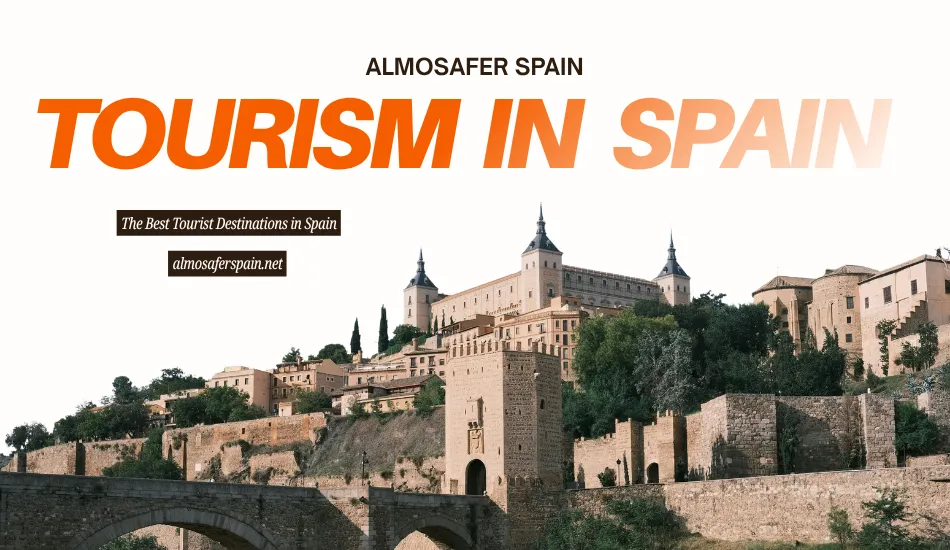
Spain is considered one of the oldest countries with a history dating back to the Middle Ages. It has witnessed various eras and followed urban, cultural, and historical developments. The country is renowned for its archaeological and tourist landmarks, as well as a climate and geography that have allowed it to become one of the most attractive nations for tourists, drawing approximately 75 million visitors annually.
It also possesses tourist cities where each city is distinguished by unique architecture that attracts most tourists to see and enjoy its appearance.
Spain is famous for the Alhambra Palace, the Mosque-Cathedral of Córdoba, the Royal Palace of Madrid, and the Tower of Hercules located in northwest Spain at the entrance of La Coruña port, which serves as a beacon for all arrivals. Not to mention the Guggenheim Museum Bilbao, the Sagrada Família, and the Barcelona Cathedral.
Tourism in Spain
Spain is characterized by numerous and diverse tourist attractions, renowned for several features that draw visitors to enjoy breathtaking landscapes and a wonderful climate. These areas in Spain vary between natural sites, where tourists can enjoy stunning nature, and archaeological sites that allow visitors to relive the Andalusian past and admire the masterpieces of architecture, intricate decorations, and unique geometric patterns.
Tourism in Spain is highly flourishing and continues to evolve due to its many advantages, making travel to Spain a prominent choice for tourists worldwide.
European tourism in Spain is famous for the diversity of its landmarks. You will find many historical monuments, museums, and palaces dating back to ancient Islamic eras. Additionally, Spanish cities are distinguished by the splendor of their nature and the beauty of their architectural designs.
Among the regions Spain is most famous for are the following:
Madrid
It is the capital city that has witnessed a succession of civilizations that enriched its culture, landmarks, and architecture. It is considered one of the most famous cities, with the Real Madrid team playing a significant role in its sporting fame.
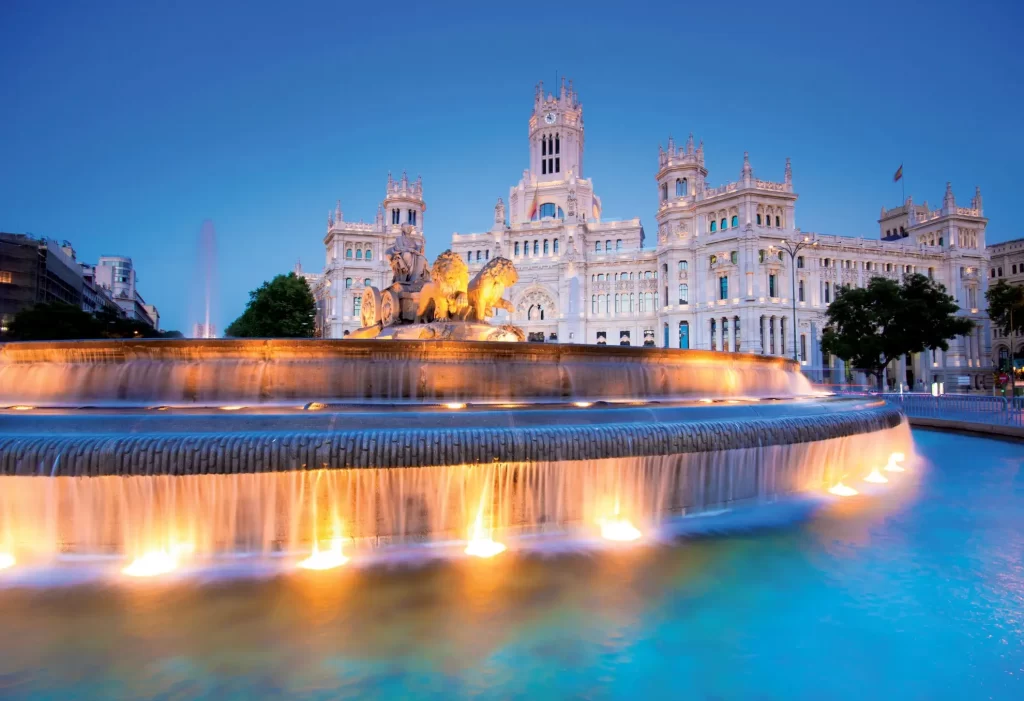
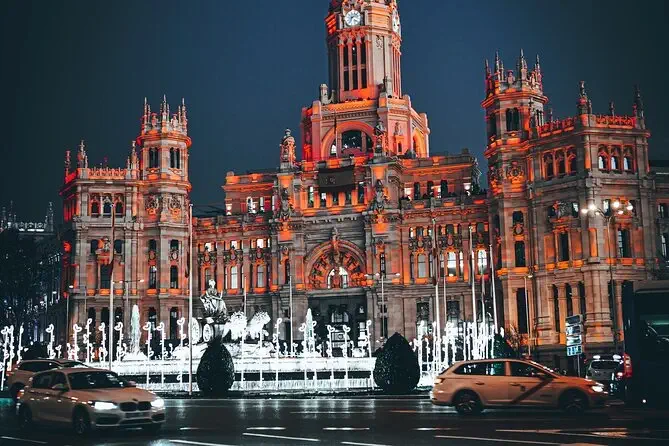
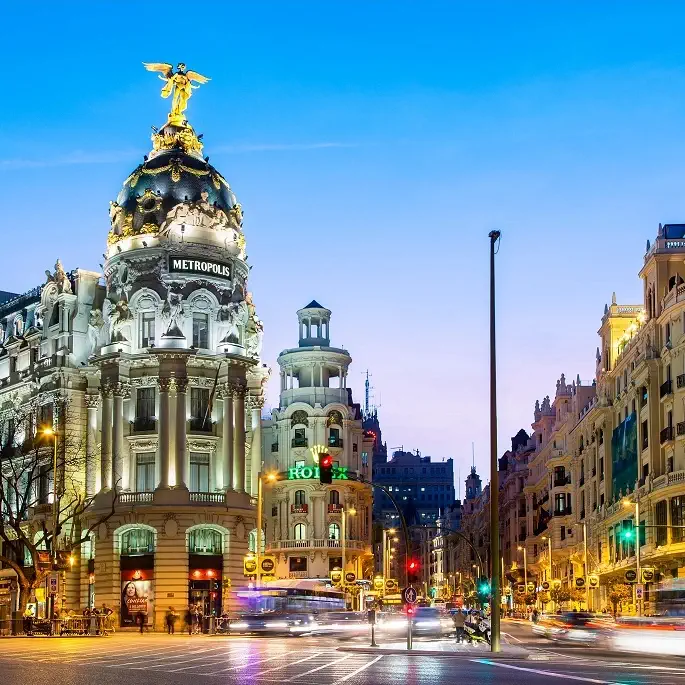
In addition to attracting tourists with its natural beauty, it features the famous Buen Retiro Park, known for its green spaces filled with colorful flowers and a crystal-clear lake that invites tourists to take a boat ride for a short trip.
Furthermore, visitors enjoy taking photographs in front of the Crystal Palace located within the park grounds. Other famous landmarks in Madrid include the Royal Palace of Madrid, the four Cuatro Torres towers, and the Almudena Cathedral.
Marbella
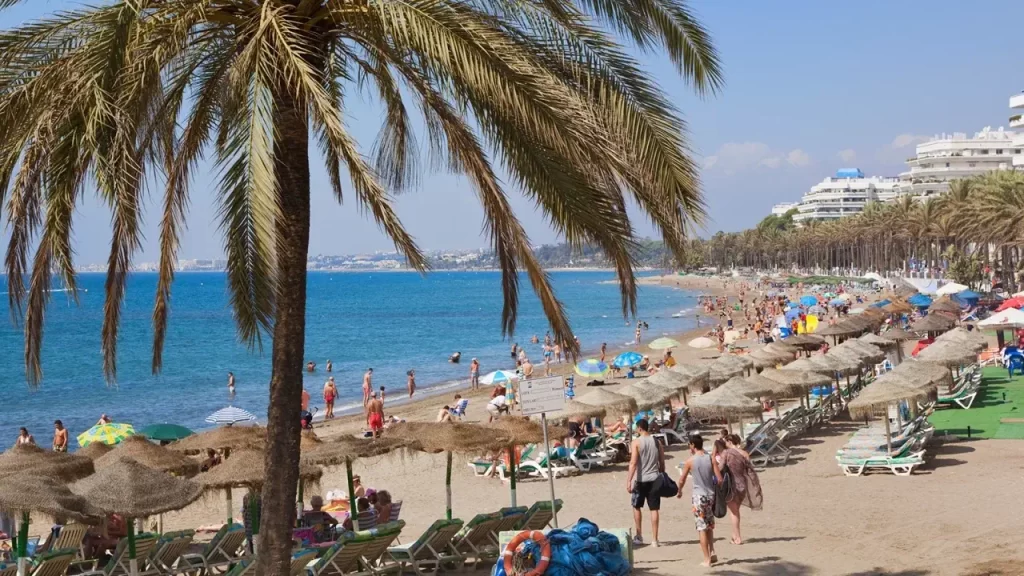
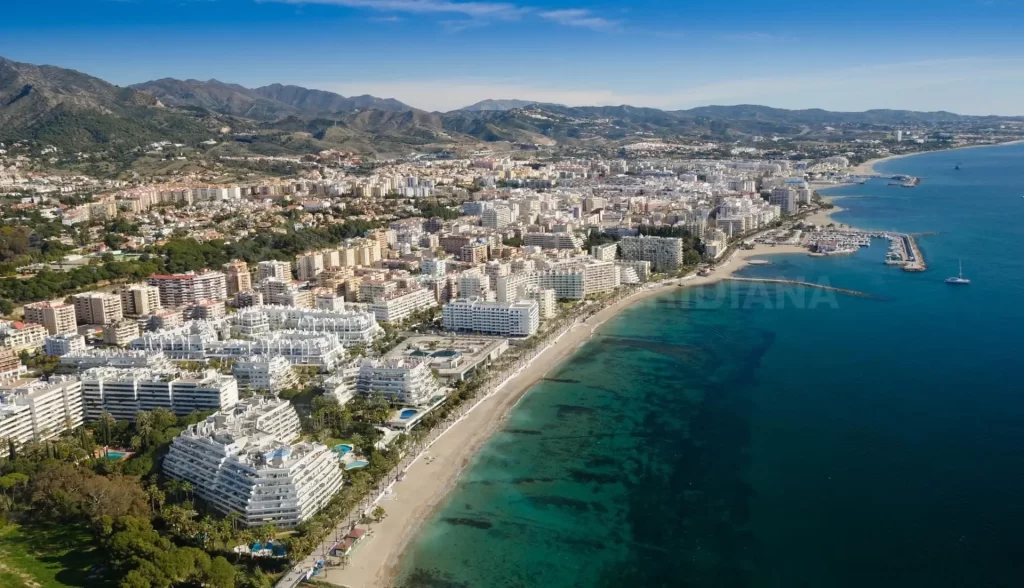
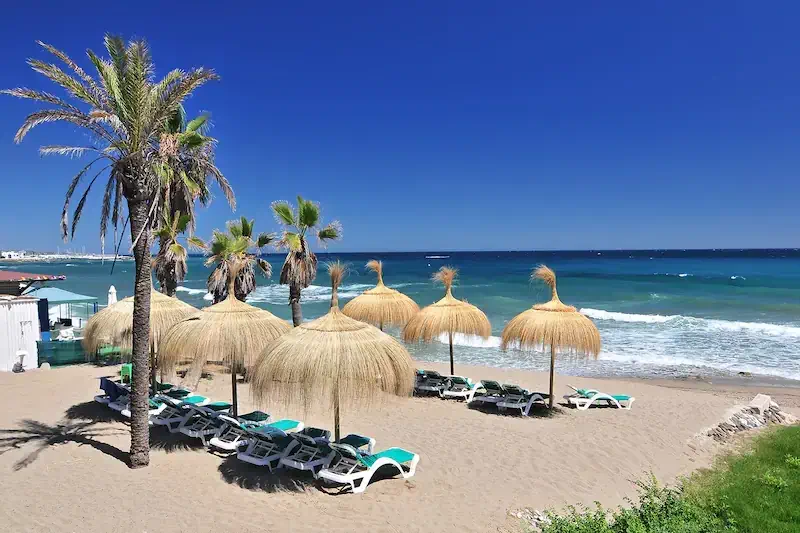
It is one of the coastal cities that attracts a large number of tourists from Germany and England due to its attractive climate, the beauty of its beaches, and activities such as water sports, entertainment, yachting, fishing, and car racing.
In addition, it features cafes and traditional social spots alongside ancient historical buildings characterized by narrow alleys, red tiles, and white houses. It is also home to the unique ancient archaeological Marbella Fortress and the statue by Salvador Dalí, weighing three and a half tons, located in the square of Puerto Banús harbor to the east of the city.
Malaga
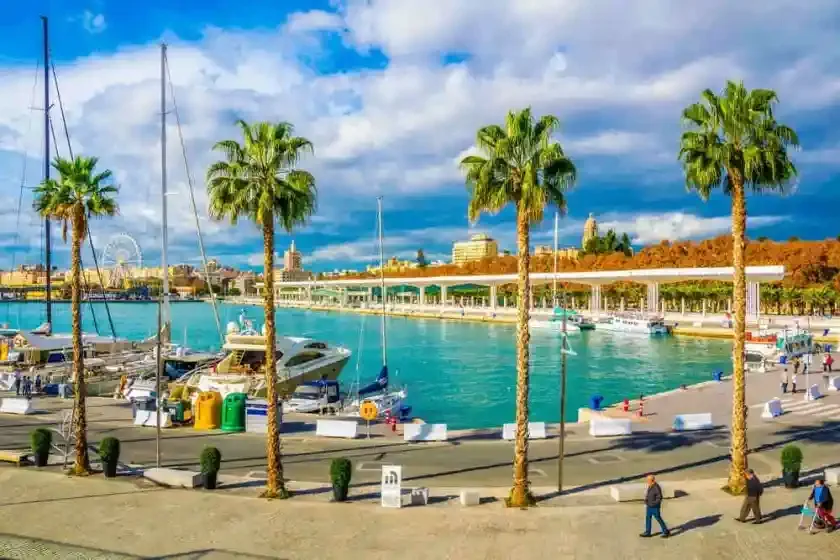
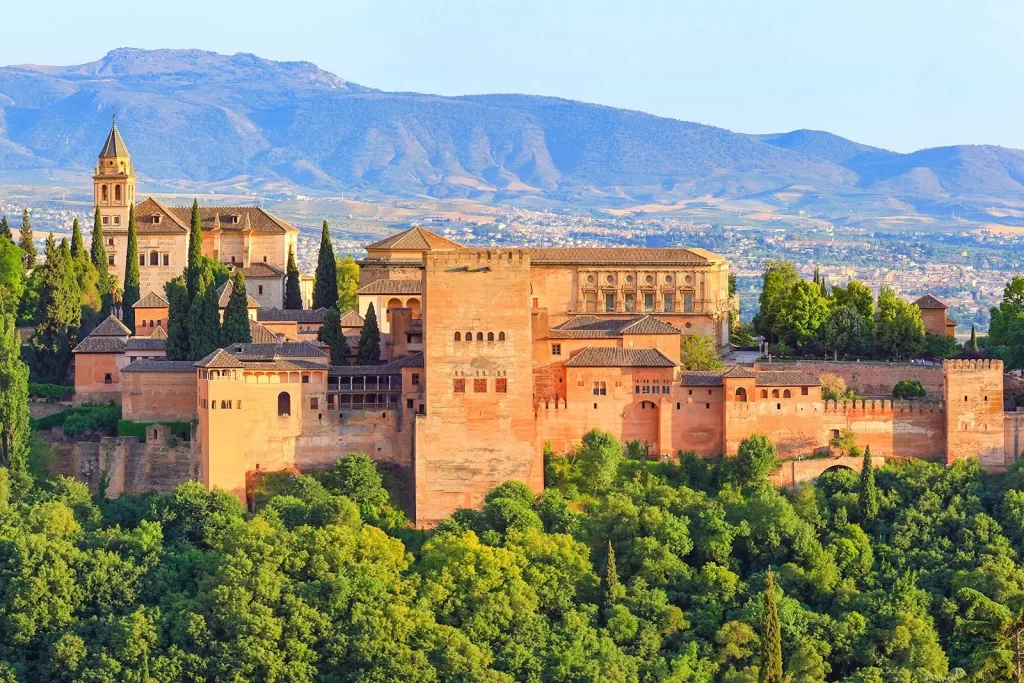
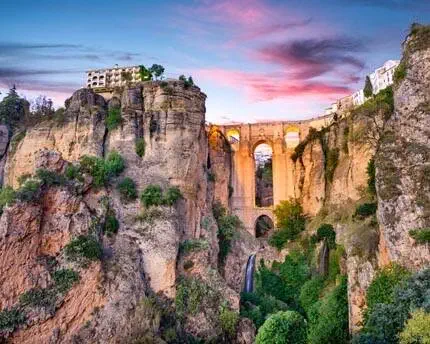
It is famous for its massive and ancient fortress called the Alcazaba of Málaga, located at the foot of Gibralfaro Hill. This landmark is distinguished by its Islamic architectural features and a charming view of the Roman Theatre, which is known for its classical Roman architecture and grand stone terraces.
In the city of Málaga, you also find the famous Picasso Museum located within the Buenavista Palace. It is a destination for fine art lovers to view a collection of the renowned painter’s wonderful works, blending various artistic schools from throughout his life.
Among the most important archaeological landmarks in Spain is the Mosque of Córdoba, known for its antiquity as the third-largest mosque in the world and one of the most significant Islamic buildings. It is famous for its Great Prayer Hall, built by Abd al-Rahman I in 785 AD.
Additionally, a unique tourist destination in Spain is the Canary Islands, which comprise several islands where tourists can enjoy tranquility and stunning natural beauty. The islands house a museum showcasing the ruins of Christopher Columbus’s ships. The flora includes fig trees, cacti, and palm trees, reflecting a desert-like environment, and is home to the beautiful Canary birds.
Tenerife, a volcanic island, is home to Loro Parque, which is considered the largest natural reserve for endangered animals, such as snowy penguins and certain species of lions and monkeys.
Cordoba
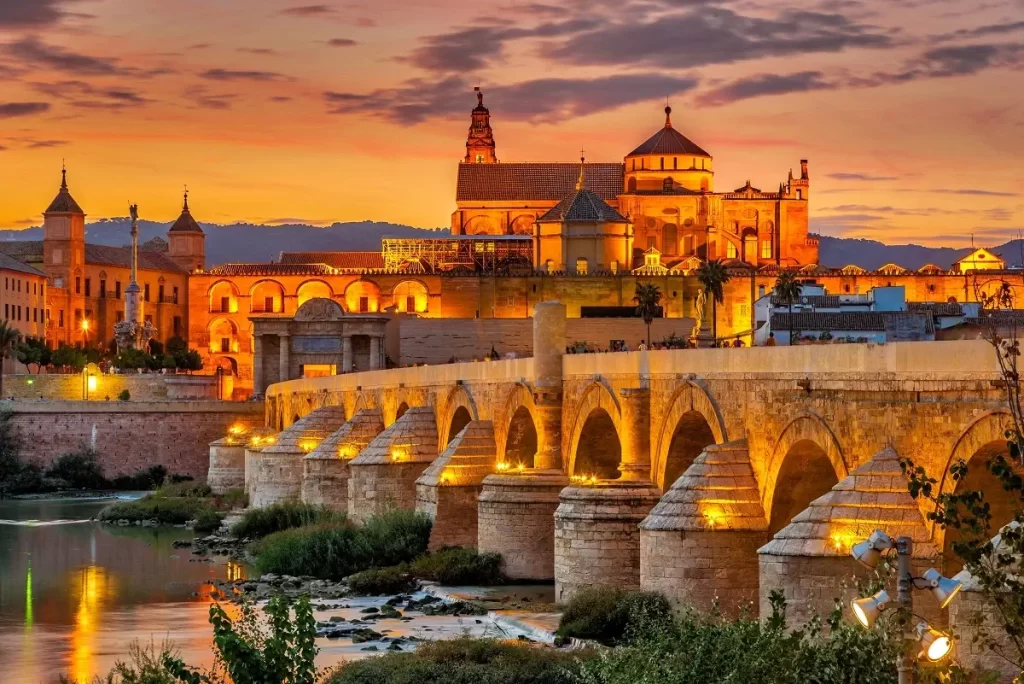
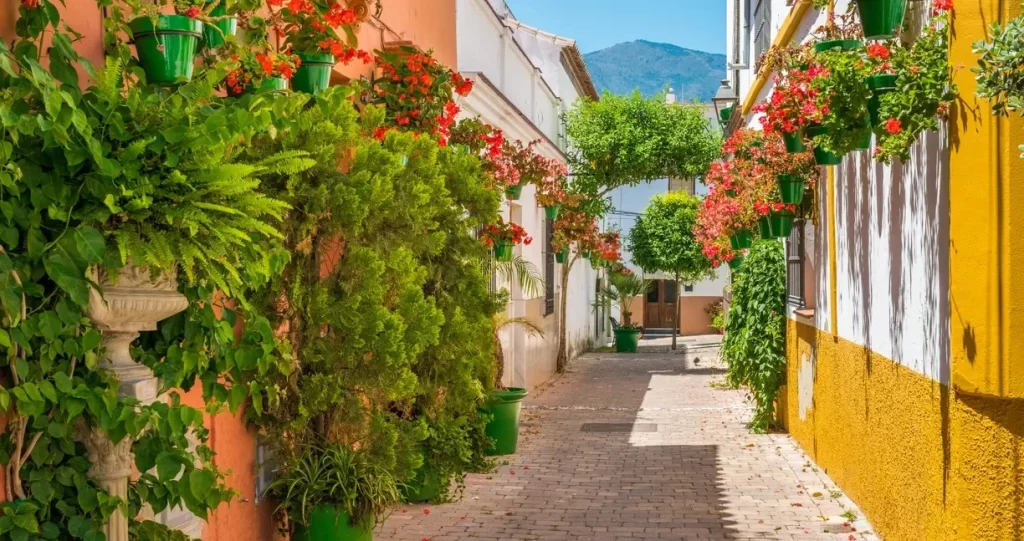
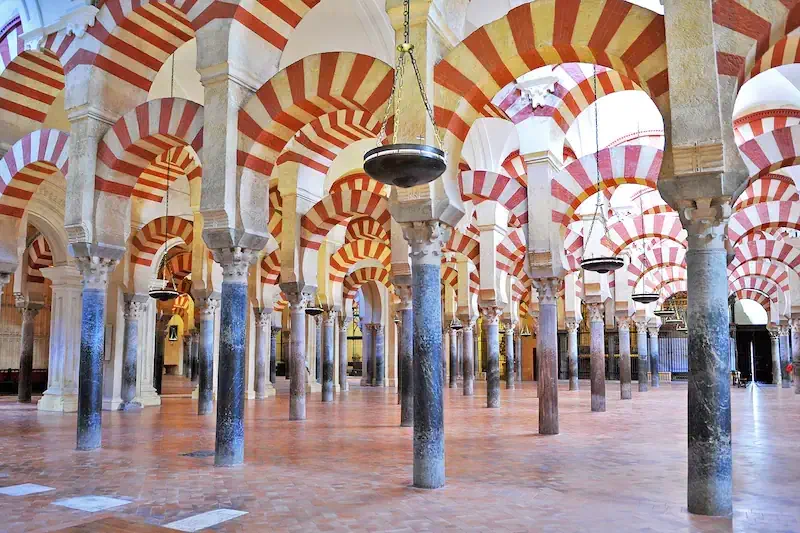
It is famous for its attractive tourist landmarks, such as the Cathedral-Mosque of Córdoba, which is distinguished by its exterior and interior designs that reflect everything the city has experienced. Its history has witnessed architectural and cultural transformations, and the museum is notable for housing an original copy of the Holy Qur’an and a bone from the arm of our master Muhammad, the unlettered Prophet (peace and blessings be upon him).
Additionally, there is the Alcázar of Córdoba, known for hosting kings and queens since the 8th century AD. It evolved from a fortress into a prison and then into a museum frequented by tourists to view archaeological artifacts, treasures, grand courtyards, and gardens featuring fountains designed in an attractive Islamic style.
Among the other landmarks in Spain:
The tourist city of Seville
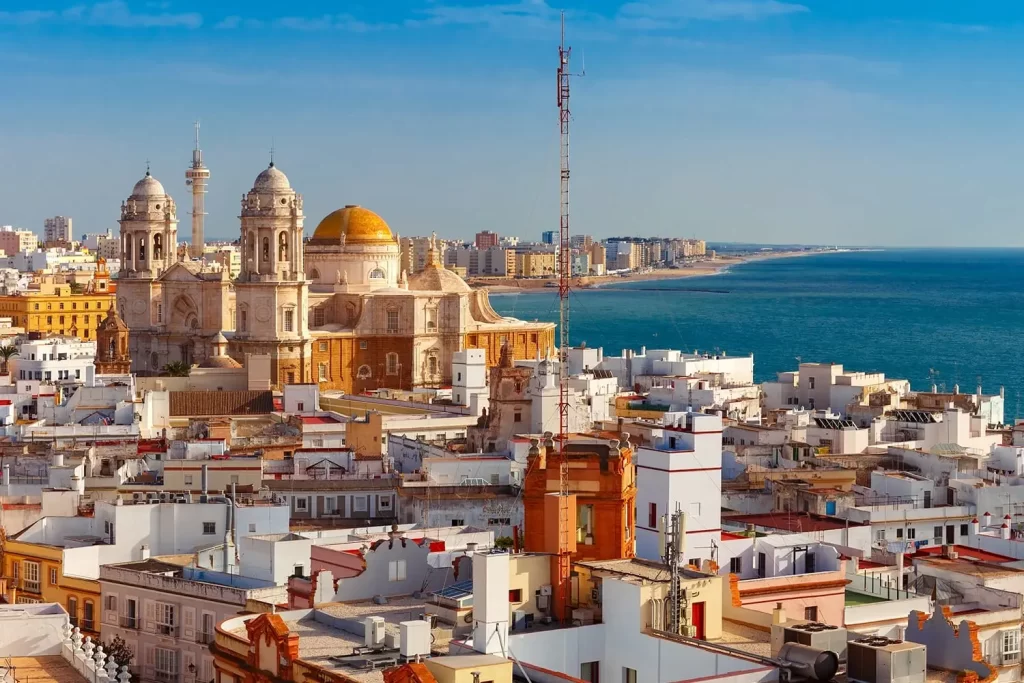
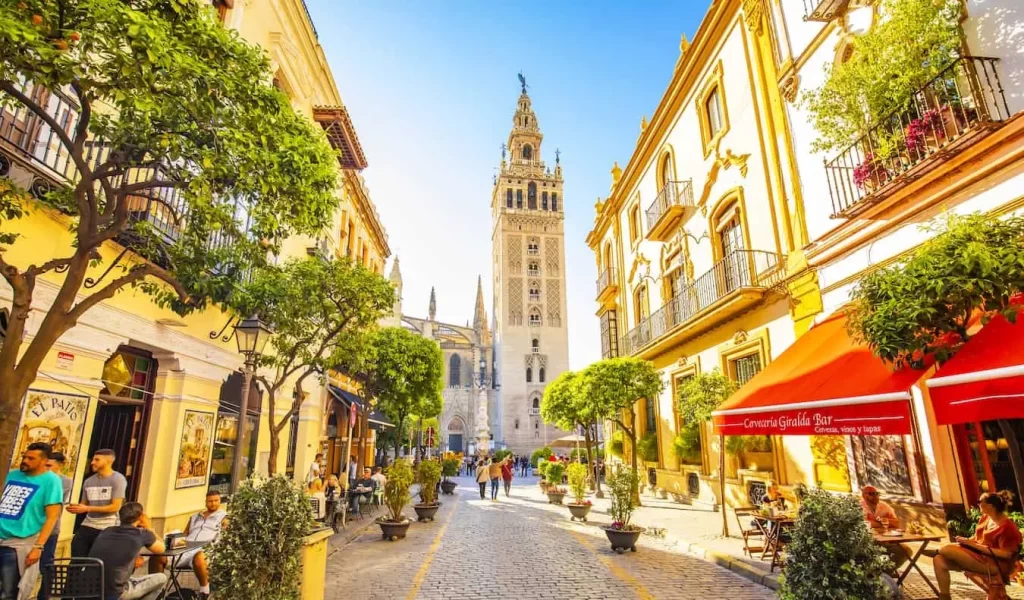
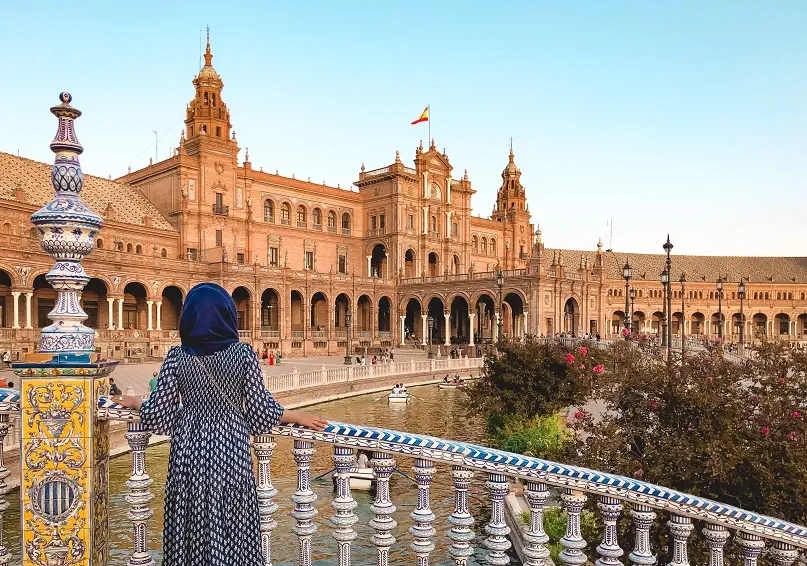
Which includes the Tower of Gold (Torre del Oro), Maria Luisa Park, and the Seville Cathedral. Among the important landmarks in the city of Seville is the Plaza de España (Seville Square), which is considered one of the most significant tourist attractions. It was designed in the creative Mudejar style and is distinguished by its magnificent colors and its half-moon shape, with four bridges connecting its sections that represent the ancient kingdoms of Spain.
Additionally, it features the Metropol Parasol, known for its unique design and mushroom-like shape. There is also the Royal Alcázar of Seville, located atop ancient Roman ruins and distinguished by its exquisite Islamic style.
Granada
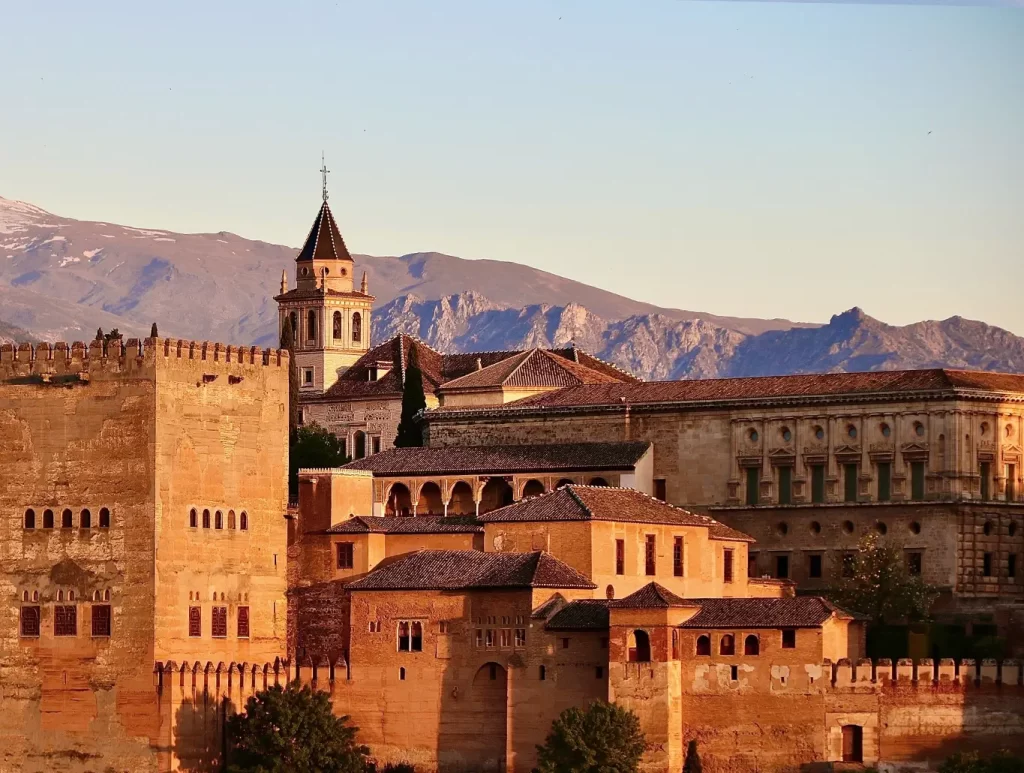
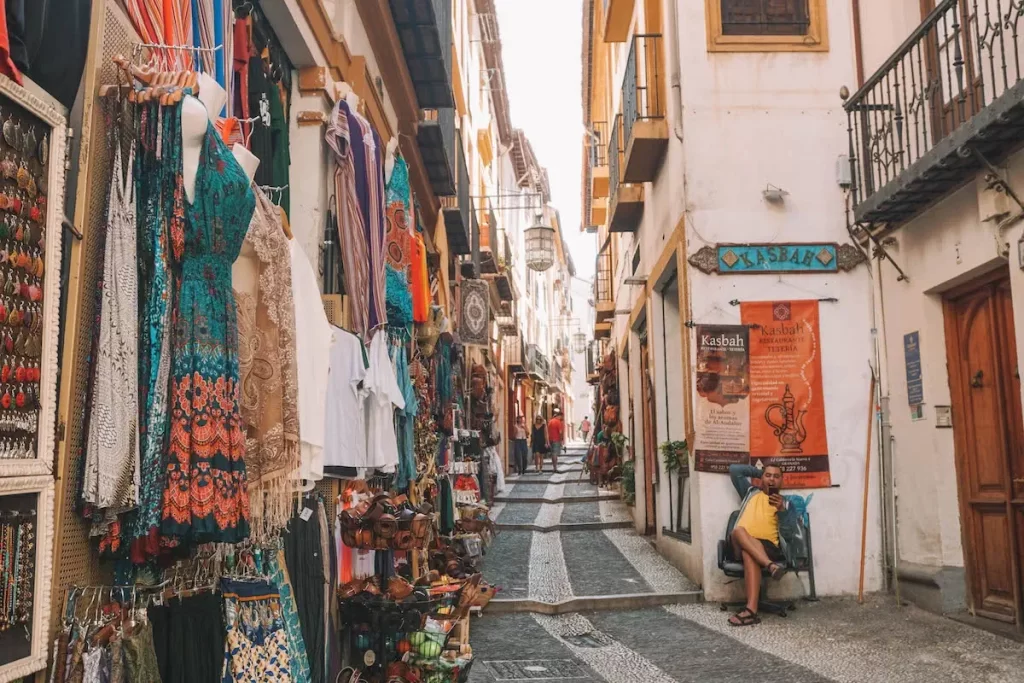
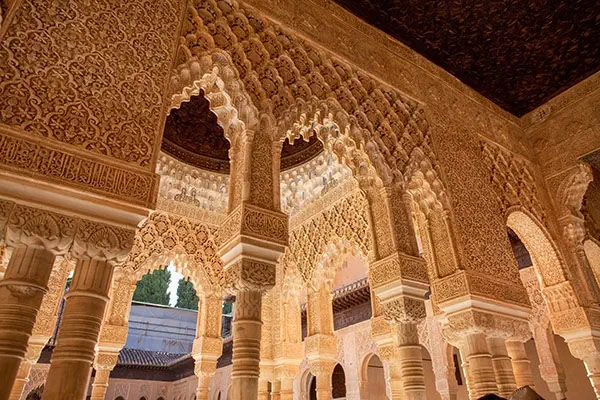
It is one of the most distinctive cities in Spain because it is considered one of the highest, situated at an altitude of 738 meters above sea level, parallel to the Sierra Nevada mountains. This city has a history filled with historical events and features the Alhambra Palace, the Generalife, the Albaicín neighborhood, and the Granada Cathedral—which is distinguished by the creative busts of Adam and Eve and the masterfully carved statues of King Ferdinand and Queen Isabella—as well as the Royal Chapel.
Barcelona
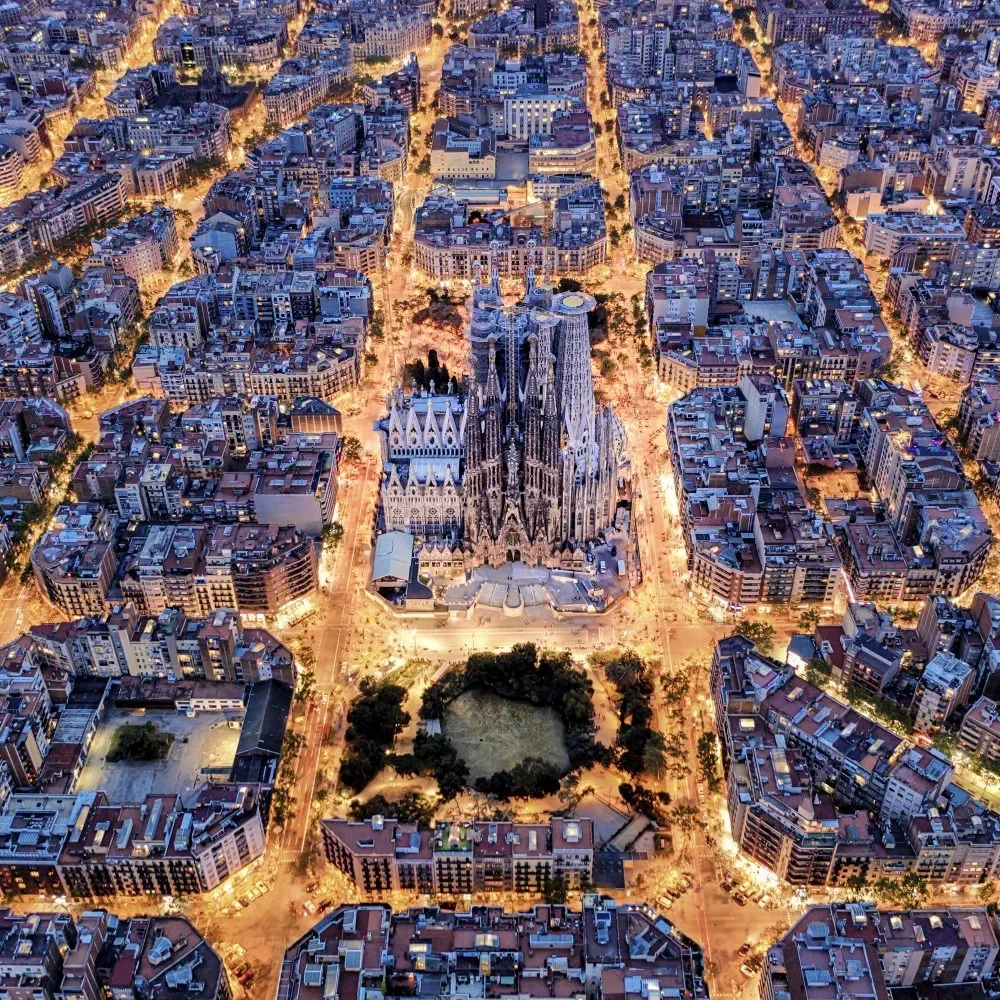
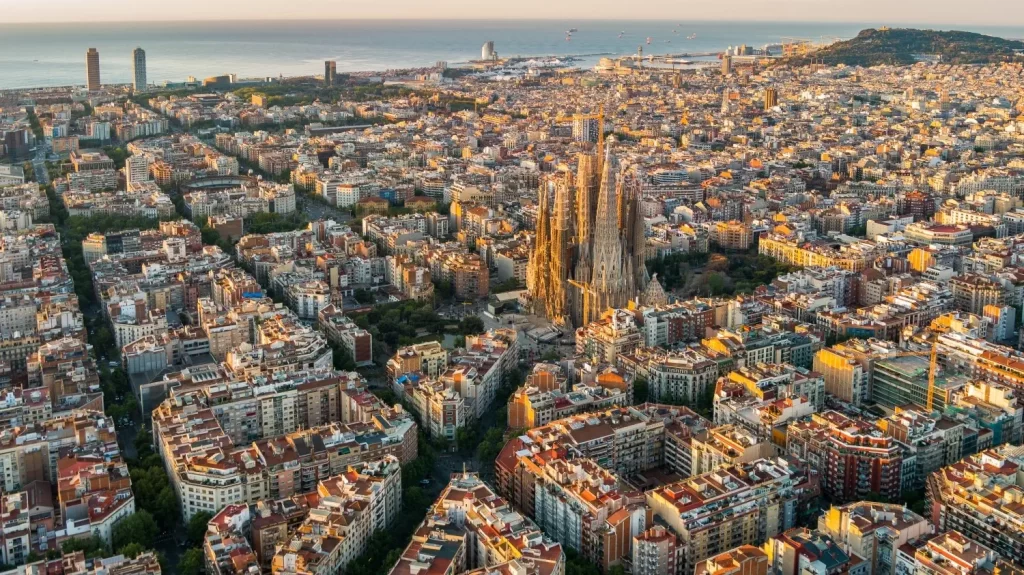
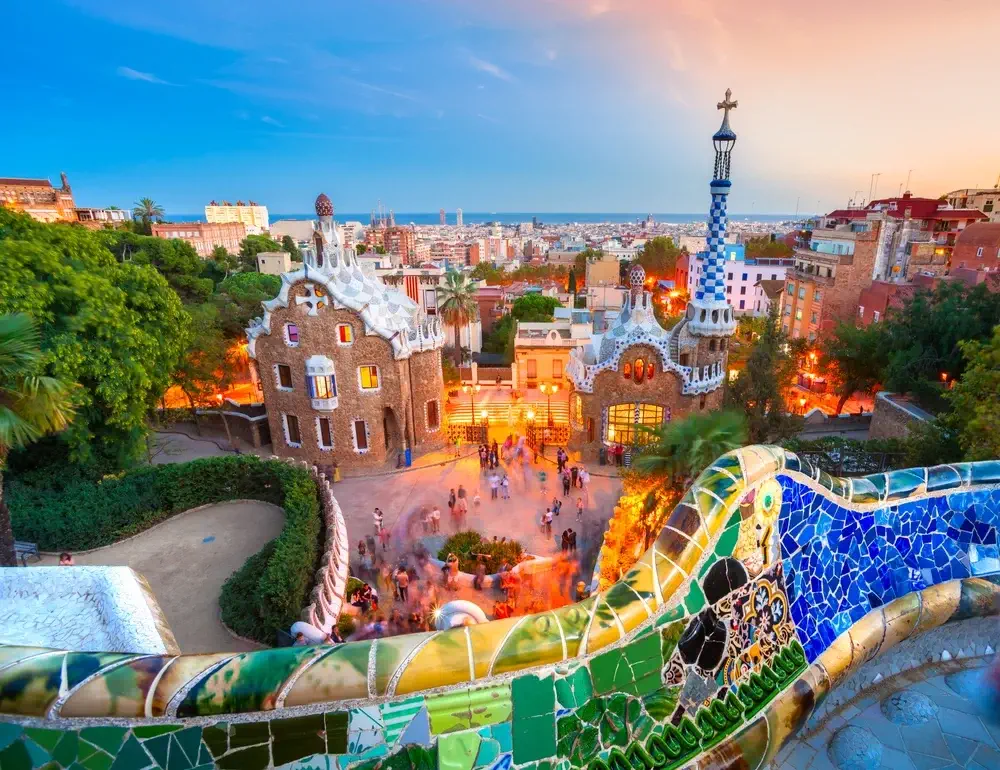
It is considered one of the most important and famous tourist cities in Spain; the presence of FC Barcelona has granted it fame in every corner of the world. In addition, it possesses the most famous religious landmarks, including the Sagrada Família, distinguished by its high towers, as well as the National Museum and the Canaletes Fountain.
The city’s unique location between two river mouths, along with the presence of the Aquarium and Park Güell, further adds to its appeal. The Barcelona Cathedral is also distinguished by its attractive appearance and high towers dating back to the 13th century, which provide a stunning view of the city.
Best Tourist Destinations in Spain
Spain is considered one of the most famous tourist destinations in the world, distinguished by its cultural, historical, and natural diversity. Here are some of the most prominent tourist regions in Spain:
Alhambra Palace in Granada
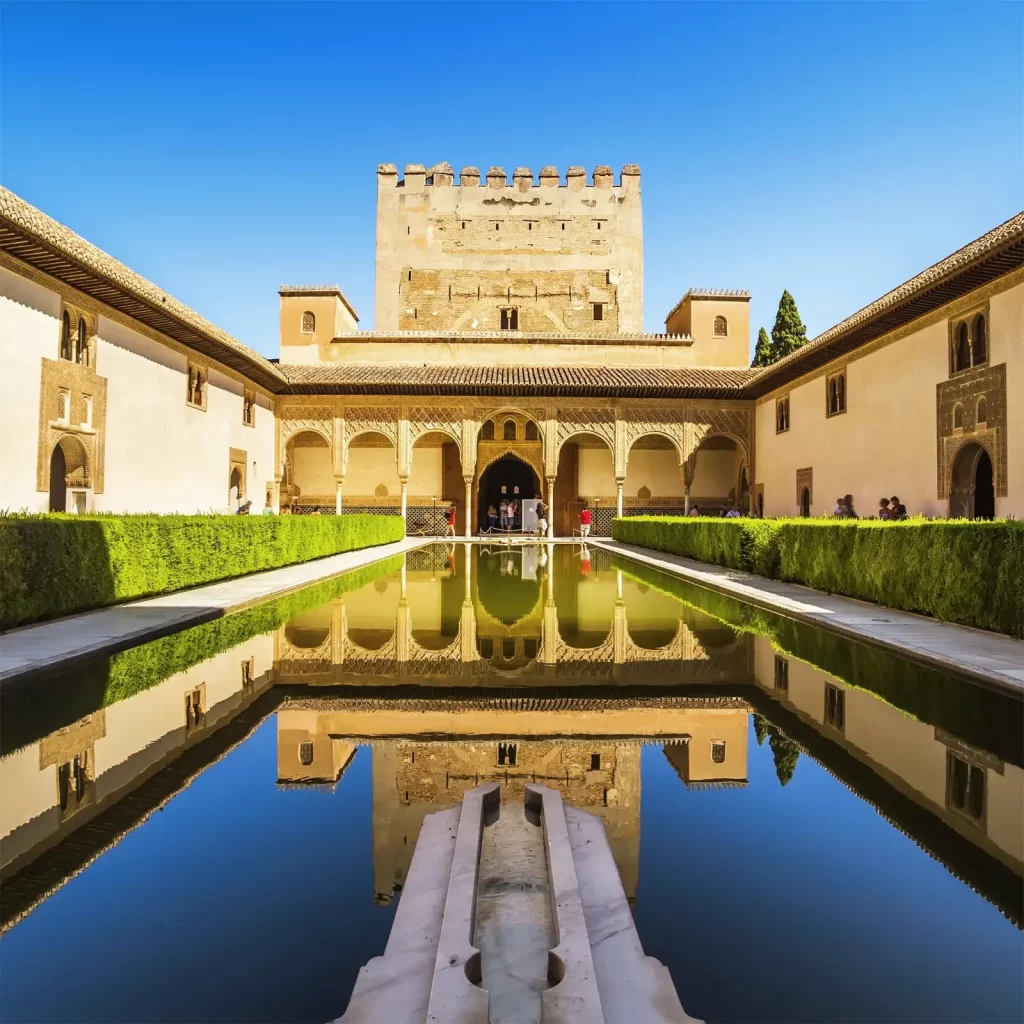
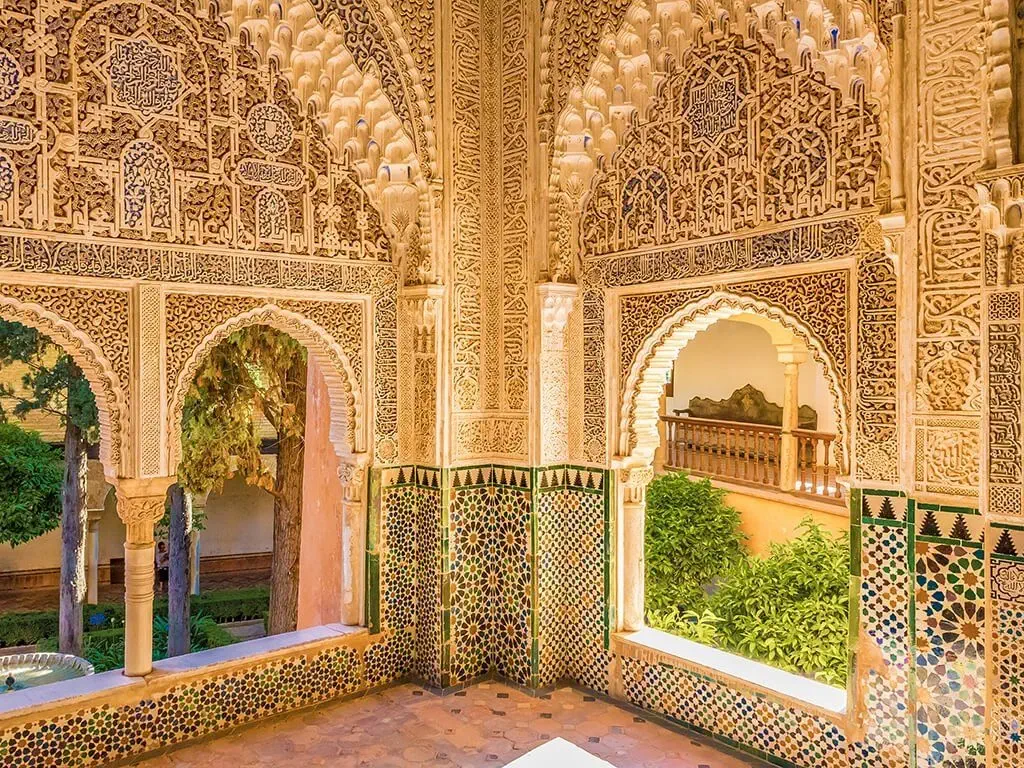
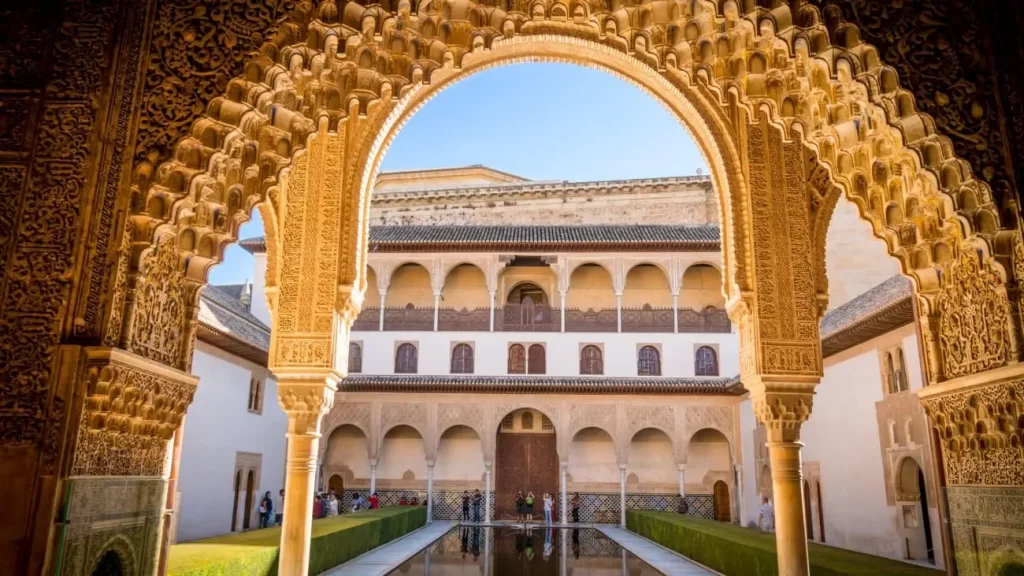
The Alhambra is an ancient palace and fortress, and one of the most significant monuments of Islamic architecture in Andalusia. It was built by the founder of the Nasrid dynasty, “Al-Muntasir Billah” Abu Abdullah Muhammad I (Muhammad ibn Yusuf ibn Nasr), between 1238 and 1273 in the Kingdom of Granada during his reign.
The site dates back to the second half of the 10th century AD, and today it is one of the most important tourist attractions in Spain, located 267 miles south of Madrid. The initial foundations of the Alhambra date back to the 4th century AH.
Its construction took more than 150 years. Among the characteristics of Islamic architecture visible in the palace buildings are the use of intricate decorative elements in geometric arrangements—similar to carpet patterns—and the inscription of Quranic verses, supplications, and even poetic praises and descriptions composed by poets such as Ibn Zamrak. These are surrounded by colored stucco decorations covering the walls, and colorful glazed tiles (Zellij) in geometric shapes covering the lower sections of the walls.
Teide National Park
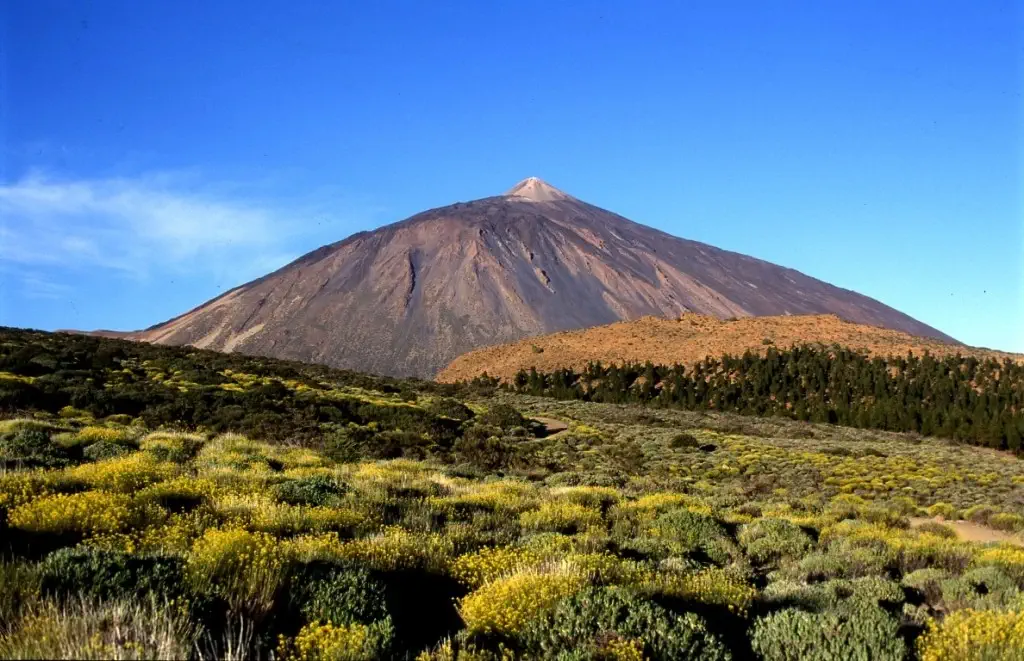
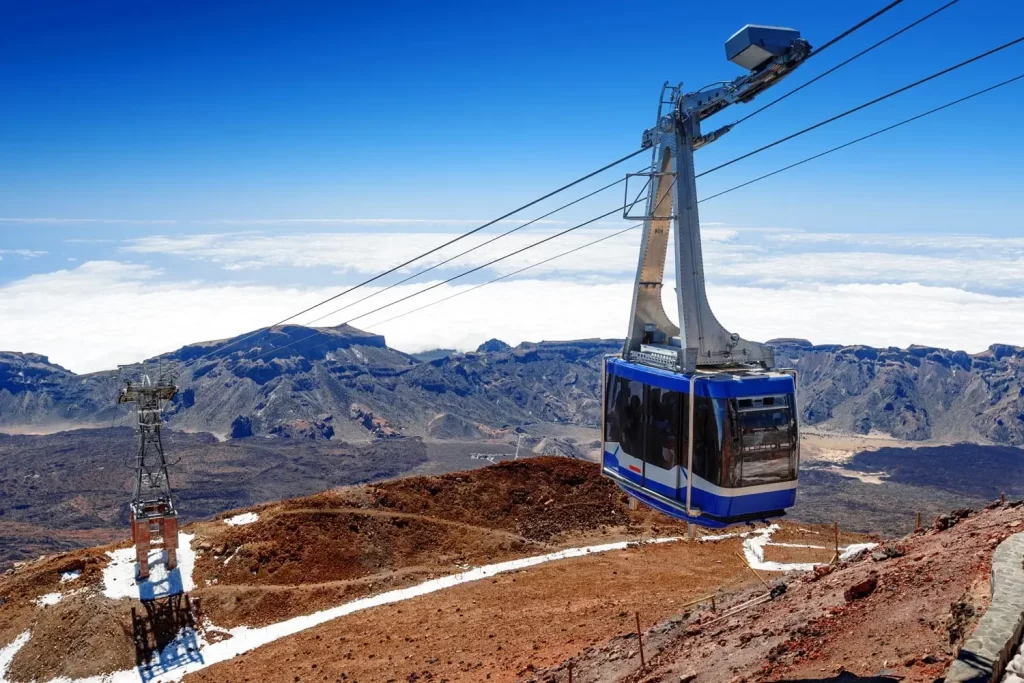
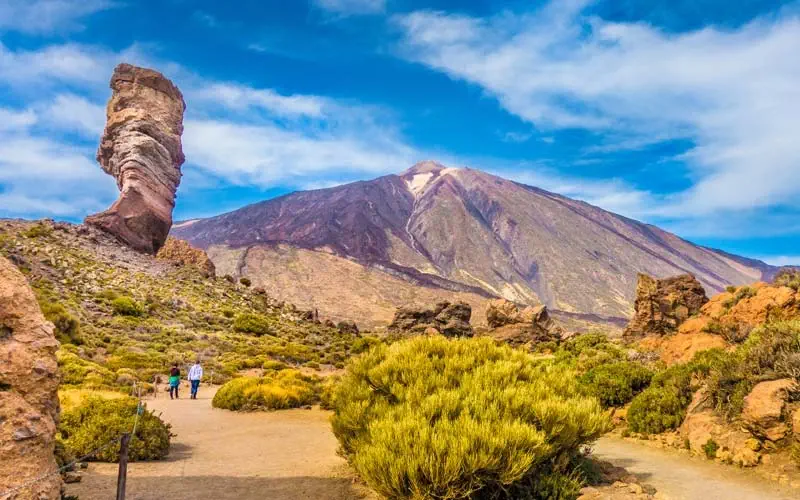
It is one of the famous tourist areas in Spain, known for its wonderful and attractive nature that delights and attracts all tourists visiting the volcanic island of Tenerife. You can capture the most beautiful photos of the wild flora and fauna from within your car, enjoy the hot springs at the base of Mount Teide, and take a cable car ride to view those springs from above.
Sagrada Família
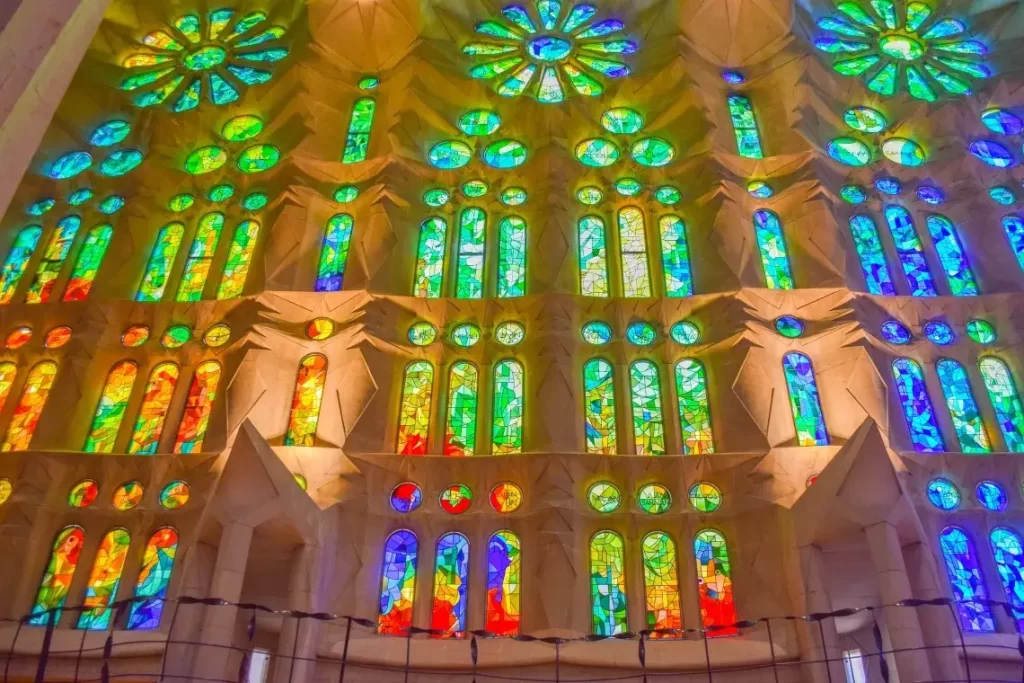
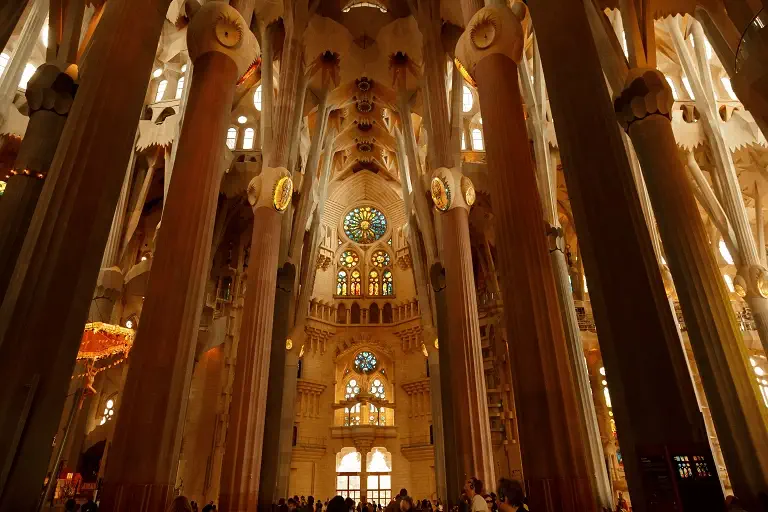
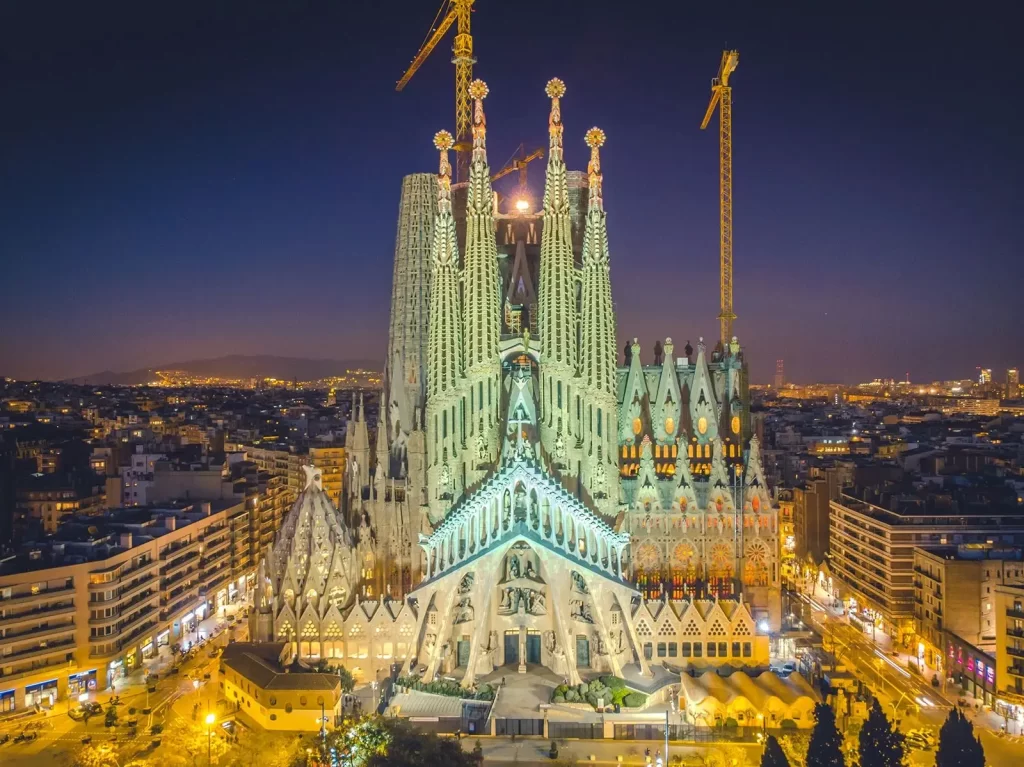
Sagrada Família
It is an unfinished minor Roman Catholic basilica located in the Eixample district of Barcelona, Catalonia, Spain. It was designed by the Spanish architect Antoni Gaudí (1852–1926).
The construction of the Sagrada Família began under the supervision of the architect Francisco de Paula del Villar. In 1883, Gaudí took over, combining Gothic art forms with the curved lines of Art Nouveau.
Gaudí’s original design calls for a total of eighteen spires, representing—in ascending order of height—the Twelve Apostles, the Virgin Mary, the four Evangelists, and the tallest of all, Jesus Christ. As of 2010, eight spires have been completed, corresponding to the four apostles on the Nativity façade and the four apostles on the Passion façade.
The church’s floor plan is a Latin cross with five aisles. The central nave vaults reach a height of forty-five meters, while the side nave vaults reach thirty meters. The large doors of the church display excerpts of the Passion of Jesus from the New Testament in various languages.
The Great Mosque of Córdoba
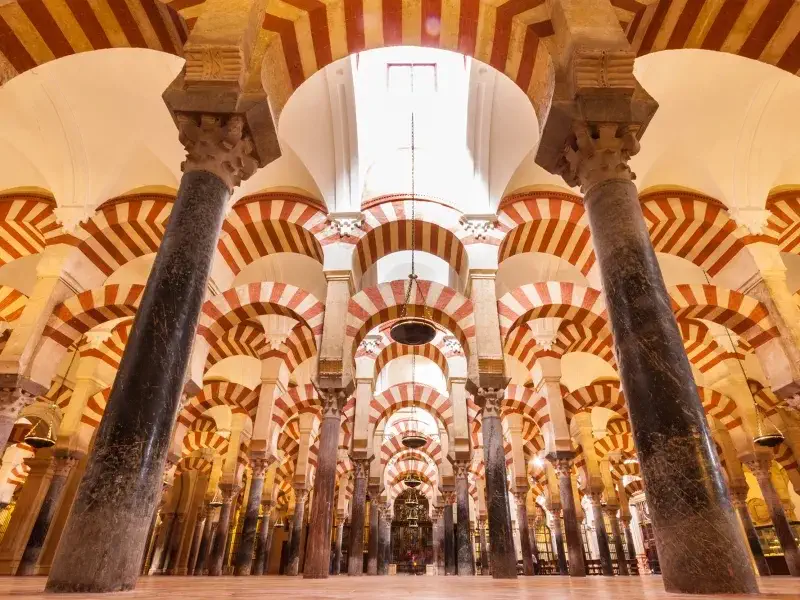
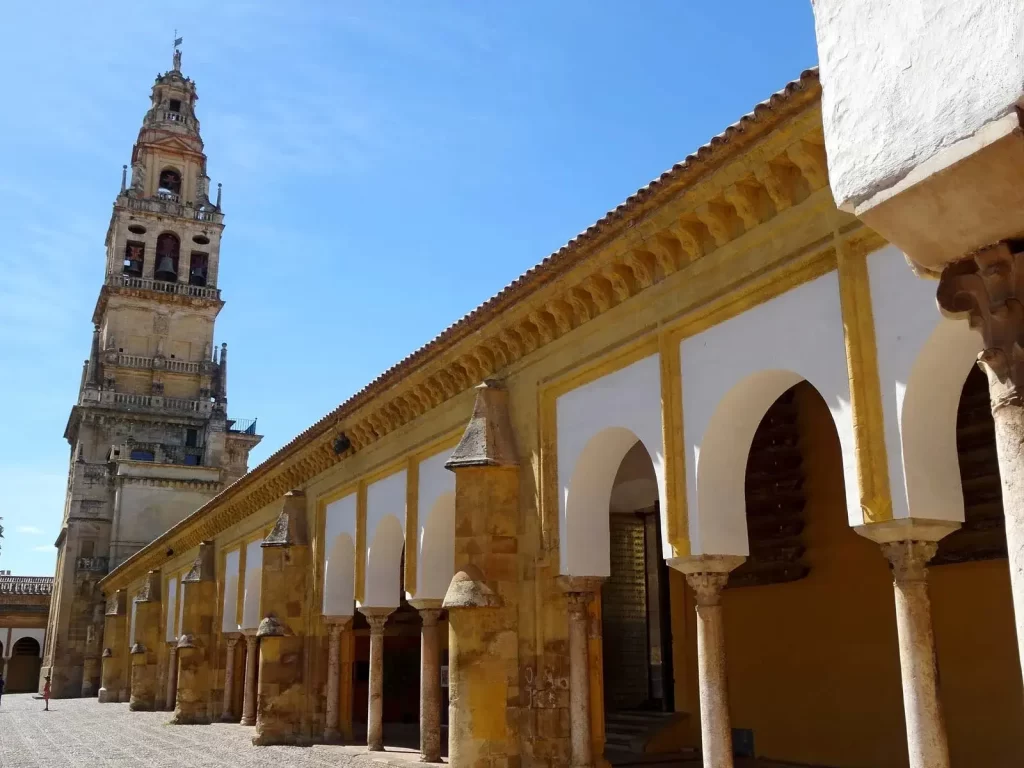
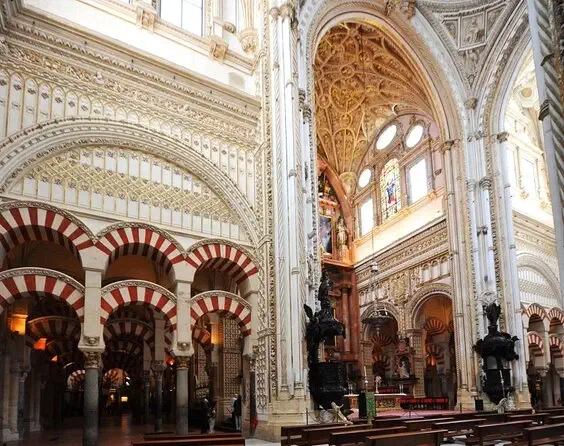
The Mosque of Córdoba is the most famous monument of architectural style in the Maghreb and the Iberian Peninsula following the Islamic era, to the extent that it topped the list of the “12 Treasures of Spain” in 2007.
It was founded by “Saqr Quraish” Abd al-Rahman al-Dakhil in 170 AH, and 100,000 dinars were spent on its construction.
The “Mosque of Córdoba” is known as the Great Mosque or the Cathedral-Mosque of Córdoba. The reason for the mosque’s association with the cathedral is that when Muslims first entered Córdoba, they performed their prayers next to the church. Over time, they built a mosque on the site. As the number of Muslims grew and the mosque became crowded, Abd al-Rahman al-Dakhil purchased the site from the Christians for 100,000 dinars, founded the mosque upon it, and completed its walls within a single year.
Paseo del Arte
The Prado Museum in Madrid, the capital of Spain, is a museum and art gallery that stands as one of the most important museums in Europe. it houses numerous artistic treasures and one of the finest collections of European art in the world, spanning from the 12th century to the early 19th century, based on the former Spanish Royal Collection.
The Prado Museum was established for paintings and sculptures. its significant holdings include more than 5,000 drawings, coins, and medals, along with nearly 2,000 decorative objects and masterpieces. The sculpture collection is represented by more than 700 pieces and a smaller number of sculptural fragments.
Guggenheim Museum
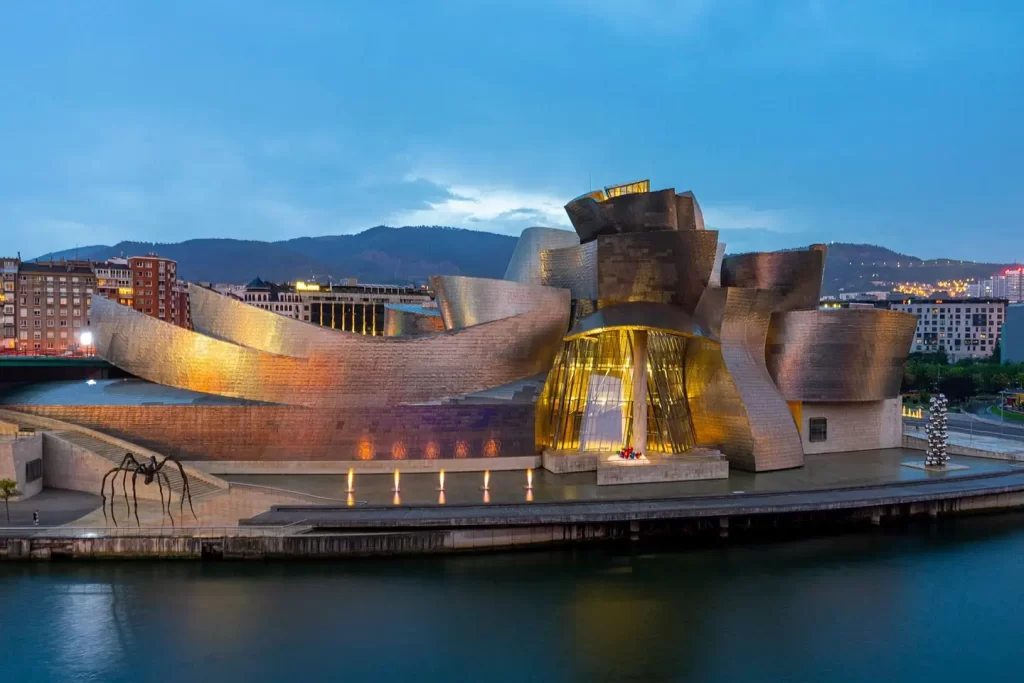
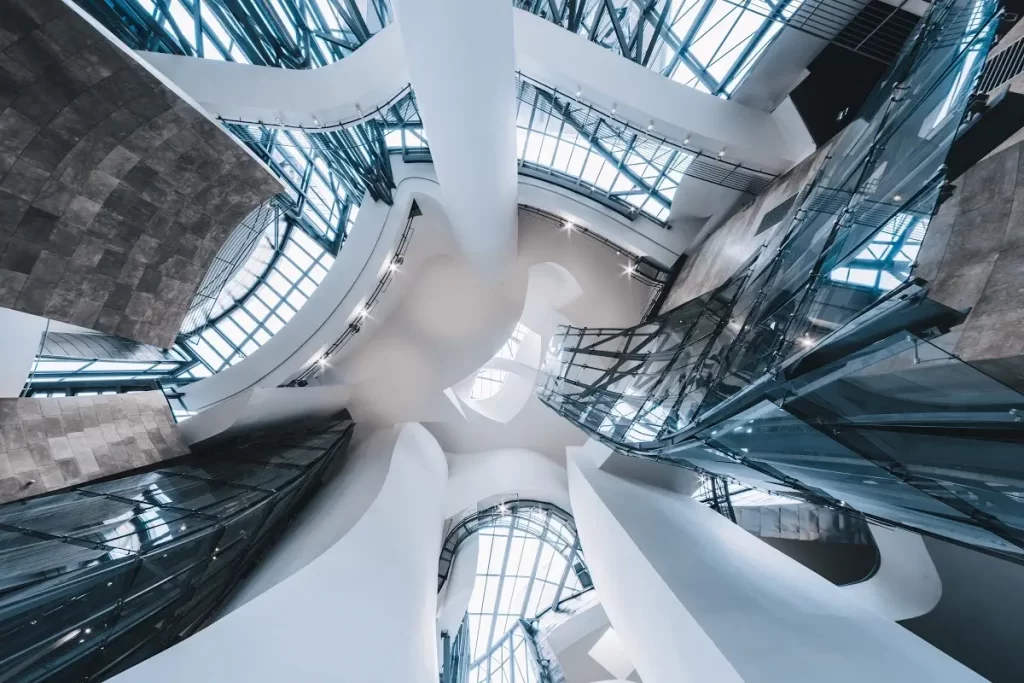
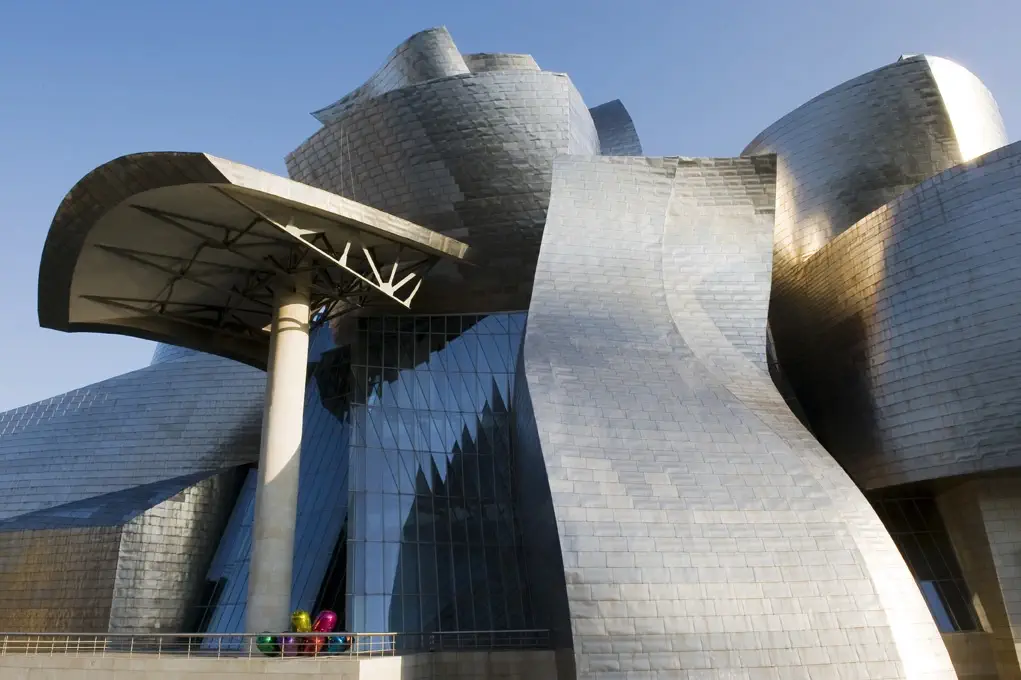
It is a museum of contemporary art designed by the architect Frank Gehry and built by the Spanish company Ferrovial. It is located in the city of Bilbao, situated in the Basque Country of Spain.
The museum was built on the banks of the Nervión River, which flows through Bilbao to the Atlantic coast. The Guggenheim Museum Bilbao is one of several museums belonging to the Solomon R. Guggenheim Foundation.
The museum opened to the public in 1997 and has since hosted permanent and temporary exhibitions of artworks by Spanish and international artists. In 2007, it was selected as one of the “12 Treasures of Spain” in a poll where more than nine thousand people voted.
There is also a collection of Guggenheim museums spread around the world, established and currently managed by the Solomon R. Guggenheim Foundation.
Seville Cathedral
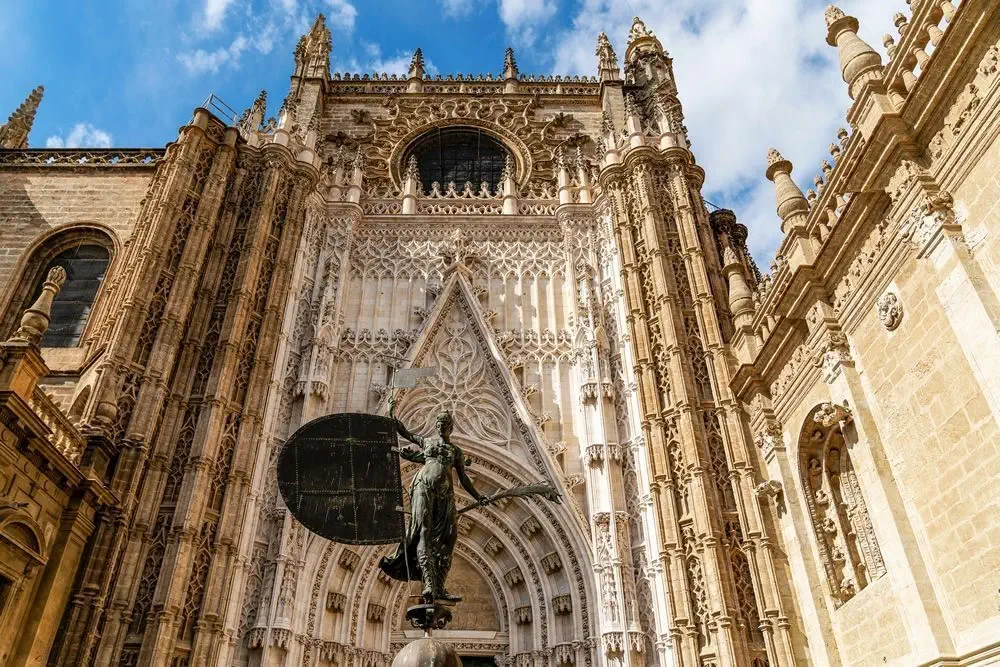
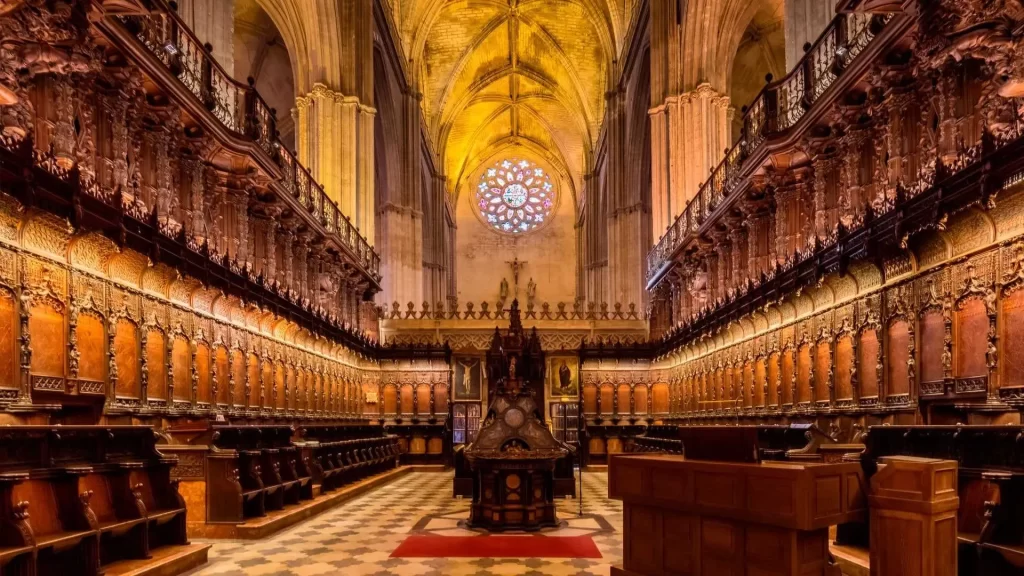
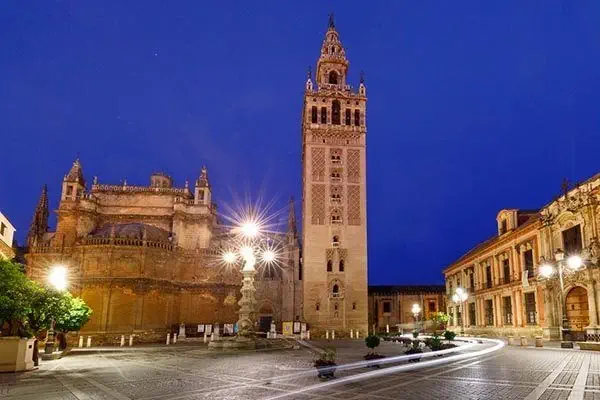
The Seville Cathedral is among the largest Gothic cathedrals of the Middle Ages, both in terms of scale and volume. It is the largest of all Roman Catholic cathedrals.
It is also the largest Gothic religious building from the medieval period. Measuring 76 meters in width and 115 meters in length, it was constructed to cover the area formerly occupied by the city’s mosque. The central nave rises to 42 meters, and the main altarpiece is the largest ensemble in the Christian world.
The interior is the longest in Spain and is lavishly decorated with a vast amount of gold. The cathedral repurposed several columns and elements from the original mosque; most famously, the Giralda—which was originally a minaret—was converted into a bell tower. It is topped by a statue known locally as “El Giraldillo,” which represents Faith.
Facing the Seville Cathedral is the Alcázar, which was developed from the city’s old Moorish palace. Construction began in 1181 and continued for over 500 years, extending through the Renaissance. The gardens are a blend of Moorish, Andalusian, and Christian traditions.
The Old City of Toledo
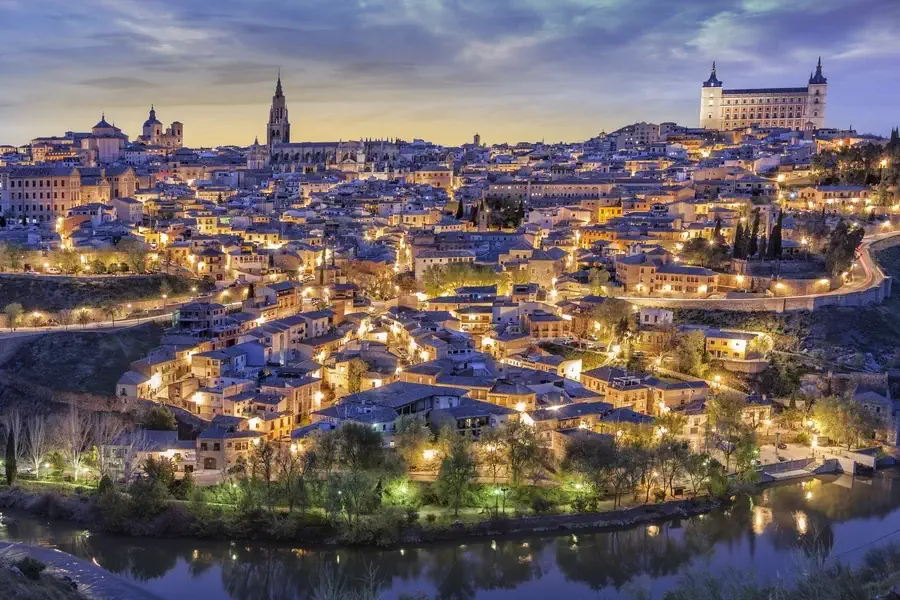
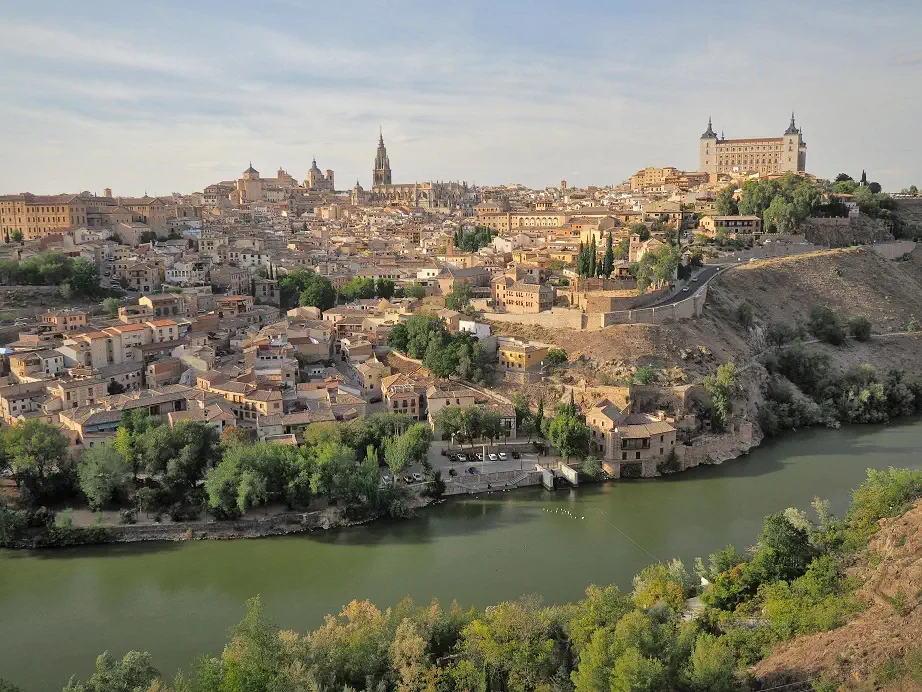
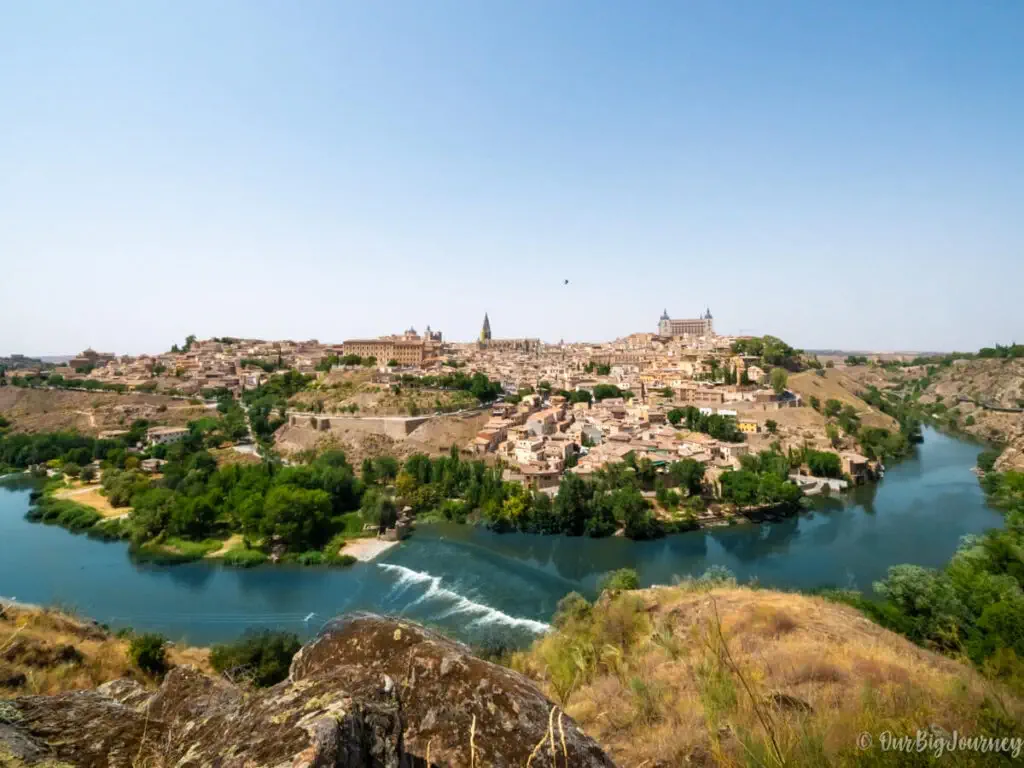
Toledo is a city and municipality located in central Spain. It served as the Spanish capital from 1085 until Philip II, King of Spain, moved the royal court from Toledo to the city of Madrid in 1561.
Toledo is now the capital of the province of Toledo and the autonomous community of Castile-La Mancha in central Spain. The city was built on high ground surrounded by deep valleys, with the Tagus River flowing through it. The Tagus River valley surrounds Toledo on three sides, contributing to its defense against invasion. During the Islamic rule of Spain, Toledo was known by the name “Tulaytulah”
The White Villages of Andalusia (Pueblos Blancos)
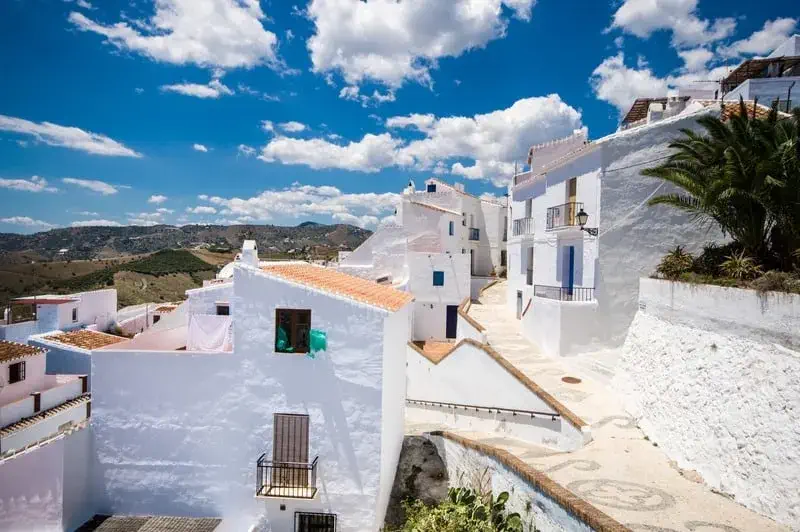
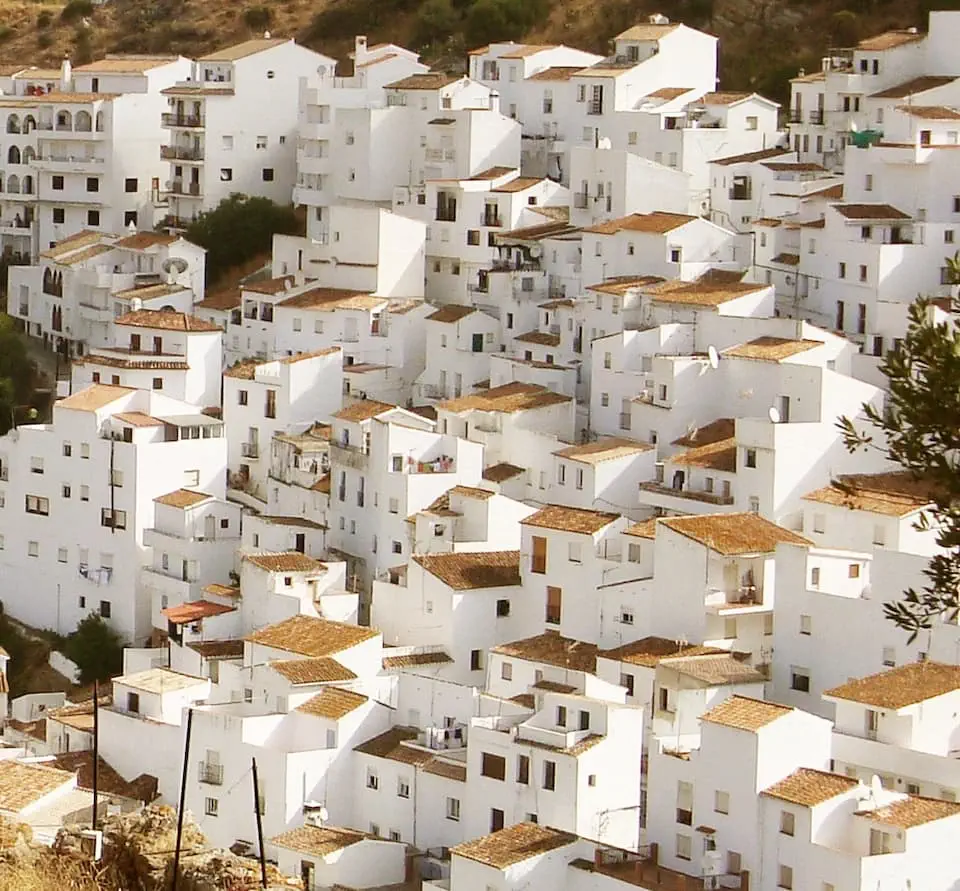
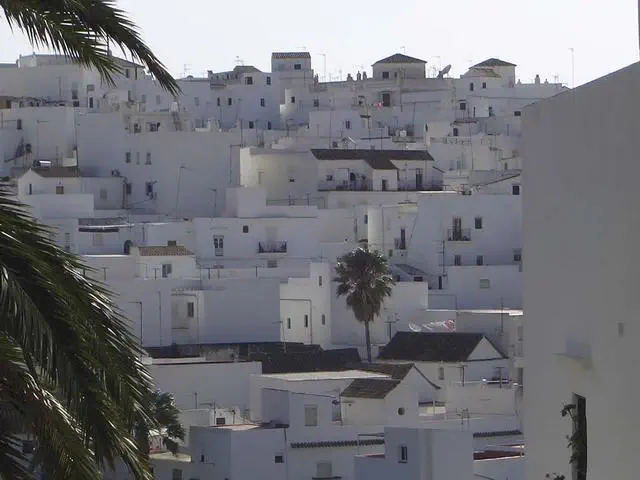
These villages are all characterized by their white walls and red or brown tiled roofs. They typically feature narrow alleys, steep slopes, and breathtaking views, centered around a main square, a church, and a town hall.
Local institutions often manage archaeological museums containing Roman or Arabic artifacts, as well as other museums dedicated to local customs and traditional crafts.
It is assumed that the reason for the white color of the houses is a chemical result of the limestone (lime wash) used in their construction.
Mount Teide (Pico del Teide)
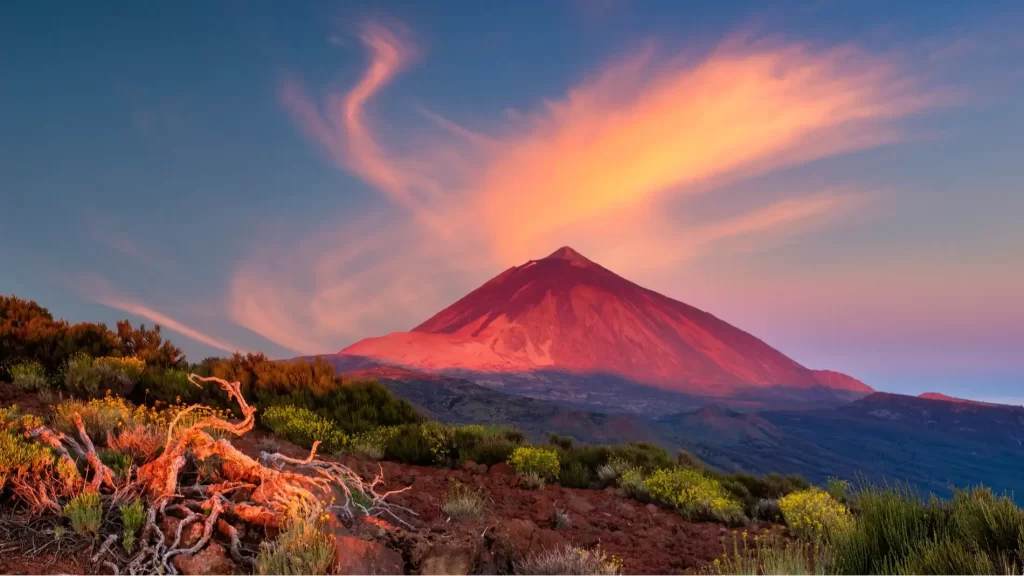
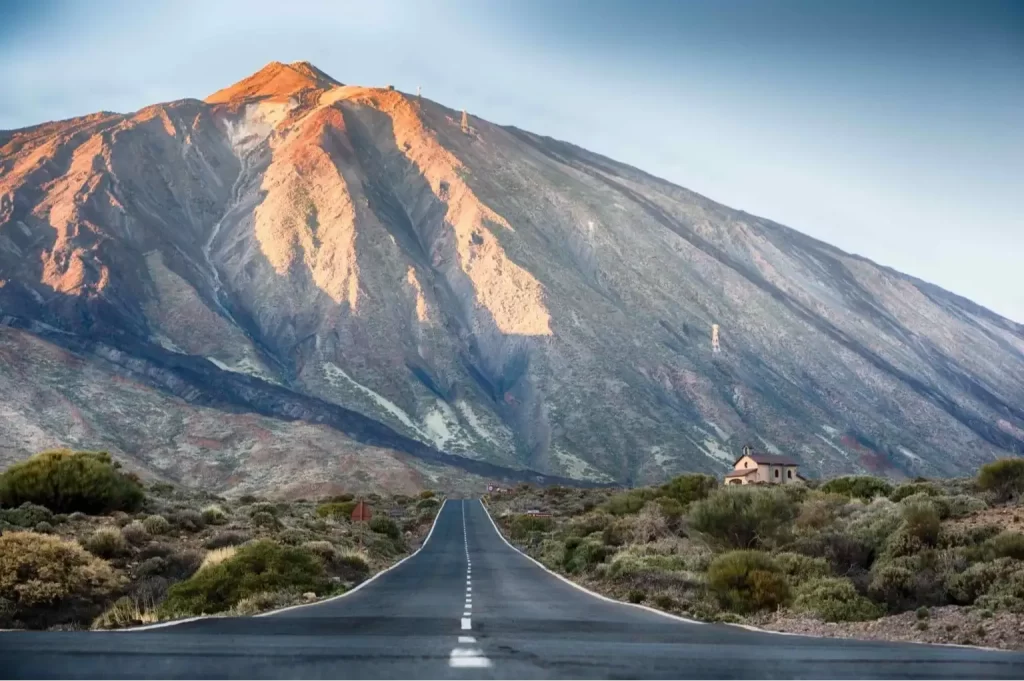
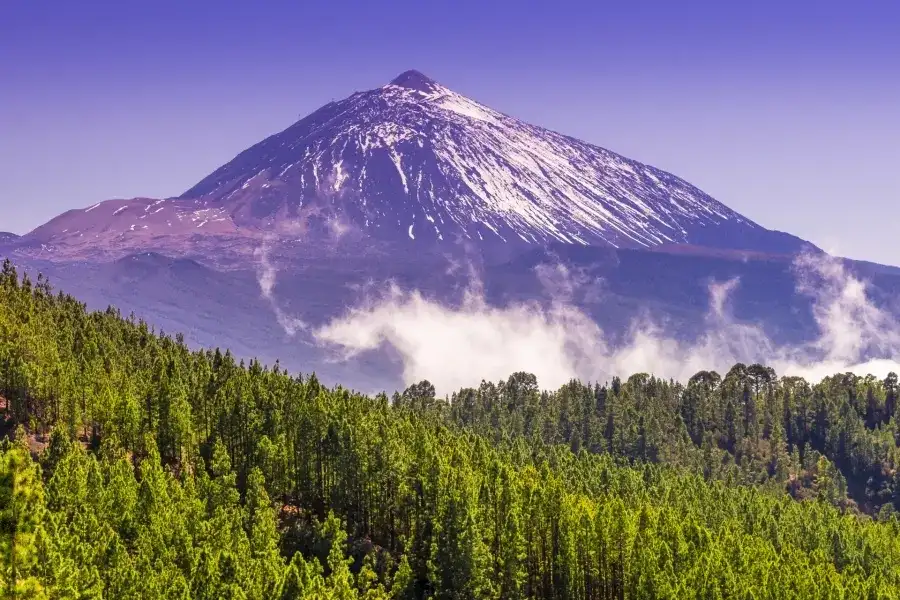
Mount Teide is the highest mountain peak in Spain, located on the island of Tenerife in the Canary Islands. Its elevation reaches 3,718 meters above sea level and approximately 7,000 meters above the ocean floor.
It is the third-largest active volcano in the world, following Mauna Loa and Mauna Kea located in Hawaii. This volcano is considered the highest peak in Spanish territory as well as among the islands of the Atlantic Ocean. The volcano sits at the heart of Teide National Park, which was designated as a UNESCO World Heritage site on June 29, 2007, and attracts nearly four million tourists annually.
Gran Telescopio Canarias

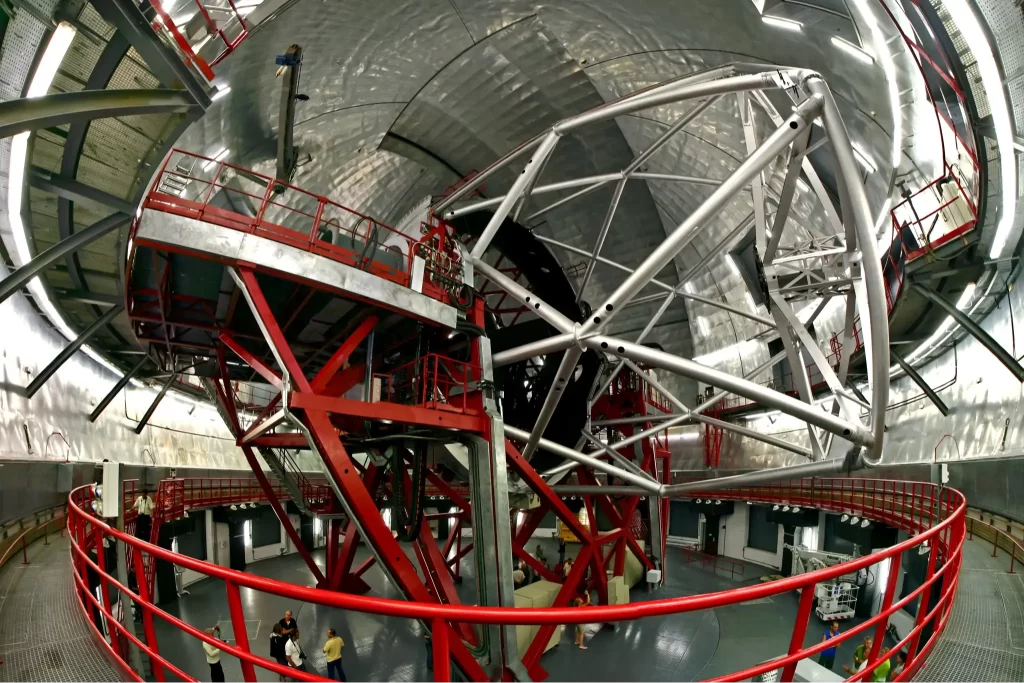

Also known as the Great Canary Telescope, it is a reflecting telescope with a diameter of 10.4 meters. The telescope is located at the Roque de los Muchachos Observatory on the island of La Palma in the Canary Islands, Spain. It was built atop a volcanic peak at an altitude of 2,267 meters above sea level.
Its construction took seven years and cost 130 million euros. “First light” was achieved in 2007, and scientific observations began in 2009. More than 1,000 people from 100 different companies participated in its development.
The Cost of Tourism in Spain
The Cost of Tourism in Spain
The cost of tourism in Spain can vary significantly depending on several factors, such as the duration of your stay, the type of accommodation chosen, and personal travel preferences. However, here is some general information regarding the costs of tourism in Spain:
Accommodation Costs
Accommodation prices in Spain vary by city and the type of lodging selected. You can find hotels at various levels and price points; the cost of a single night in budget hotels ranges from approximately €50 to €100, while luxury hotels can cost upwards of €200 per night.
Transportation Costs
Transportation costs in Spain may vary depending on the mode of transport you choose. Domestic flight tickets within Spain can be reasonable, while the cost of trains and buses is usually lower. You can also rent a car if you prefer to explore the country on your own; the cost of car rentals depends on the duration, car size, and the rental company.
Transportation and Sightseeing Tours
The cost of sightseeing tours and entrance tickets for landmarks in Spain varies by city and specific site. You may need to pay entry fees for some famous attractions, such as the Alhambra (approximately €19, with free entry for children under 12) and the Prado Museum in Madrid (approximately €15.40).
Dining and Shopping Costs
The cost of food and drinks in restaurants can be varied, as a wide range of options is available, from fine dining to budget eateries. You can also enjoy shopping in local stores and markets, with the cost depending on the type of products you purchase.
These are some of the main factors affecting the cost of tourism in Spain. You should plan your personal budget and verify specific prices and costs before traveling to ensure your financial comfort during the trip.
Family Tourism in Spain
Tourism in Spain is a wonderful choice for families, offering a wide array of activities and landmarks that families can enjoy together. Here are some tips and activities for you and your family to enjoy in Spain:
Beaches
Spain is home to some magnificent beaches, making it an ideal destination for families looking to relax and enjoy the sun and sand. You can visit the beaches of the Costa del Sol or the Balearic Islands, such as Mallorca, Ibiza, and Menorca.
Parks and Gardens
There are many beautiful parks and gardens in Spain suitable for families. You can visit the Expo site in Seville or Park Güell in Barcelona to enjoy activities such as walking, cycling, and family picnics.
Water Parks
Spain offers numerous fun water parks for both children and adults. You can visit Aquopolis in Madrid or Siam Park (AquaPark) in Tenerife to enjoy swimming pools, water slides, and various aquatic activities.
Zoos and Amusement Parks
Several zoos and theme parks in Spain serve as perfect family destinations. You can visit the Barcelona Zoo or Selwo Aventura (Toro Park) in the Malaga region to enjoy animal exhibits, rides, and entertainment.
Historical Cities
Spain boasts many historical cities rich in culture and heritage. You can visit Granada to explore the Alhambra, visit Tenerife for its unique landscapes, or travel to Toledo to explore its ancient, massive castles and historic churches.
These are just a few of the places and activities that families can enjoy in Spain. You can customize your trip according to your family’s specific interests and needs.
Information about Spain and its Cities
Spain is also characterized by its numerous cities, each possessing its own unique historical, touristic, and cultural significance. Among those famous cities is the capital, Madrid, the largest city in the country, renowned for its magnificent art museums such as the Prado Museum and the Reina Sofía Museum. It also offers beautiful parks, fine dining restaurants, and modern shopping centers.
In the northeast of Spain lies the coastal city of:
Barcelona
It is home to Gaudí’s distinctive architecture, such as the Santa Maria del Mar church and the Sagrada Família. The city also features wonderful beaches, lively markets, and delicious restaurants.
In southern Spain, the city famous for the Alhambra Palace is:
Granada
The Alhambra is considered one of the most magnificent historical monuments in the Islamic world. You can explore the narrow alleys of the Albaicín neighborhood and enjoy breathtaking views of this charming city.
Seville
One of the most beautiful cities in Spain, distinguished by its Andalusian architecture and beautiful gardens. You can visit the Alcázar palace, the massive cathedral, and enjoy traditional Flamenco shows.
And we must not forget:
Valencia
Located in eastern Spain, it is known as the “City of Arts and Sciences,” featuring modern buildings, scientific exhibitions, and vast gardens. Valencia is also famous for the renowned “Fallas” festival (Las Fallas) held in March.
These are just a few quick highlights of Spain and some of its famous cities. Spain enjoys a rich history, a diverse culture, and enchanting landscapes, offering a variety of tourist experiences for its visitors.
The Most Affordable Cities for Tourism in Spain
The Most Affordable Cities for Tourism in Spain
We can highlight some of the most budget-friendly cities in Spain regarding living costs; however, please note that expenses vary from person to person based on factors like accommodation, transport, entertainment, and dining. Here are some cities generally considered to be among the most affordable in Spain:
Granada Considered one of the most economical cities in Spain, Granada offers affordable housing options, and the costs of transportation and food are very accessible. It is also famous for its tradition of serving free “tapas” with every drink.
Murcia Located in southeastern Spain, Murcia enjoys relatively low living costs. You can find reasonably priced accommodation and enjoy inexpensive cuisine along with free cultural exhibits.
Salamanca A famous student destination, Salamanca has lower living costs compared to many other Spanish cities. Visitors can find affordable student-style housing and enjoy the city’s rich cultural activities and historic atmosphere at a lower price point.
A Coruña (La Coruña) Situated on the Atlantic coast in northwestern Spain, A Coruña offers low living costs. You can find affordable lodging and enjoy beautiful beaches alongside fresh, reasonably priced seafood.
Tourism in Barcelona
There are many cities you can visit within Spain where you will find ancient streets, alleys, commercial markets, and magnificent landmarks. We highly recommend visiting Barcelona, which offers much more than just historical sites and bustling markets.
The city is surrounded by breathtaking natural landscapes and enchanting lights. You can enjoy sandy beaches that add a magical touch to its beauty. Barcelona is an ideal destination for families, friends, and even children, as it features many parks and gardens with views that are pleasing to the eye. It is home to iconic landmarks and archaeological sites, such as the Sagrada Família, a renowned Roman Catholic church.
Additionally, Park Güell is one of the most beautiful tourist spots, featuring a complex of gardens filled with architectural masterpieces. You will also find the Barcelona Zoo in the Ciutadella area, which houses more than 4,000 animals, including giraffes, tigers, lions, and bears.
Tourism in Madrid
One of the most important cities we recommend is Madrid. It is a tourist destination well worth visiting, situated on the banks of the Manzanares River. It attracts the highest number of tourists due to its modern infrastructure combined with a historic appearance and heritage. You can find hotels that offer complete luxury and wonderful services.
The city is home to landmarks, museums, and the best markets and restaurants. For instance, the Plaza Mayor is one of the most important squares, where official celebrations are held; it is a popular meeting point for tourists and features many restaurants and cafes.
You can also visit the Royal Palace, which is one of the largest palaces in Western Europe, containing over 2,800 rooms across six floors above and below ground. Additionally, one of the most magnificent stadiums is the Santiago Bernabéu, among the largest in Spain, along with other sites like the Temple of Debod and El Escorial.
Tourism in Malaga
We highly recommend tourism in Malaga as it is one of the best travel destinations, blending ancient historical roots with many modern areas that showcase its development. The city overlooks numerous beaches that you can visit.
It features a variety of restaurants, beaches, and markets alongside old alleys. You can visit many areas at any time because it enjoys a pleasant climate. Tourism in Malaga is suitable for families, children, and others, as it includes many cultural, art, and antique museums, as well as various recreational activities such as cycling or surfing.
Among the most famous historical sites is the Alcazaba of Malaga, an archaeological landmark distinguished by its unique architectural style and defensive structure. Additionally, there is the Automobile Museum; if you are a car enthusiast, we recommend visiting it, as it houses many rare vehicles, including about 100 cars from brands like Mercedes, Ferrari, and Rolls-Royce.
Tourism in Seville
You can enjoy tourism in Seville, which is distinguished by its unique geographical location and a climate suitable for visiting, attracting over 75 million tourists. The city is home to numerous archaeological landmarks and is situated on the banks of the Guadalquivir River.
It features the Maria Luisa Park, which includes a distinctive fountain and serves as a popular gathering spot for tourists to take photos, showcasing Islamic architecture with an Andalusian character within the park’s plaza. The city also houses the Royal Alcázar of Seville (Al-Muwarraq), which preserves the history of the Arabs in Andalusia.
No tourist in Seville misses the chance to visit the Metropol Parasol, a modern tourist site known as the largest wooden structure in the world, featuring several giant wooden umbrellas. Additionally, the city is home to the Seville Cathedral, the Barrio Santa Cruz neighborhood, and many other attractions.
Tourism in Granada
Tourism in Granada is a dream for every traveler due to its profound history and heritage. It features numerous historical landmarks, gardens, neighborhoods, and squares. It is considered a breathtaking mountain city and a primary sanctuary for nature lovers, nestled between the foothills of the Sierra Nevada mountains.
When visiting Granada, you can explore the Alhambra, one of the most prominent Islamic landmarks in Andalusia, distinguished by its unique architectural design and intricate decorations. You can also visit the Generalife, which was the palace of rest and recreation for the Sultans of Andalusia; it contains four private royal orchards where you can stroll and take photographs.
Additionally, the city houses the Nasrid Palaces, which feature many architectural masterpieces, wall engravings, and colorful buildings, along with many other artistic details.
Tourism in Marbella
Tourism in Marbella is among the most famous and highly attractive for visitors, as the city boasts numerous world-renowned landmarks and restaurants, along with pleasant weather throughout the year. The city features many beaches alongside several Islamic archaeological sites.
It is one of the most beautiful cities, where all buildings are painted white, and most balconies are filled with various colorful flowers. You will also find the Los Naranjos Square (Orange Square), which is bustling with visitors and features distinctive buildings along with many restaurants serving traditional dishes.
In Marbella, you can visit Cabopino Beach, known for its golden sands and calm waves. It is one of the top attractions for tourists, offering various water activities and entertaining games, as well as being surrounded by many restaurants and hotels, alongside unique churches and beaches.
Tourism in Cordoba
Tourism in Cordoba
If you are looking for a unique character and elegance that blends two different civilizations—Islamic and modern European—then you must visit Cordoba. It is considered one of the most important tourist cities due to its wealth of landmarks, recreational sites, and cultural attractions.
The city offers numerous luxury hotels and restaurants, along with several recommended areas to visit, such as the famous Mosque-Cathedral of Cordoba.
This site attracts thousands of tourists as a masterpiece of mixed heritage, having transitioned from a pagan temple to a church, then into a mosque, before eventually becoming a Roman Catholic cathedral.
Additionally, the Roman Bridge is one of the most significant landmarks; situated over the Guadalquivir River, it is considered a marvel of engineering. Other must-see locations include the ruins of Madinat al-Zahra and the Viana Palace.