

Spain’s beauty, natural landscapes, vibrant cities, landmarks, monuments, and cultural attractions have made it a top destination for more than 84 million tourists every year, ranking as the second most visited country in the world.
Its capital, Madrid, located in the center of the country, is characterized by its wide avenues and is famous for its sprawling, expansive parks, elegant international boutiques, and contemporary restaurants featuring distinctive Western and Eastern dishes, alongside buildings that seamlessly blend modernity with history.
Furthermore, there are several key attractions that encourage tourists to visit, such as the Prado Museum (Museo del Prado), which houses art collections by some of history’s greatest art masters.
There is also the city of Valencia, located on the eastern coast, which is a seaside city filled with exceptional beaches, as well as the city of Granada, which features the Alhambra Palace, and the cities of Marbella and Málaga, along with historic castles, churches, museums, and grand, famous gardens.
Spain Visa
The Spain visa is considered one of the most important visas requested by many people around the world, whether for tourism, study, or work. Spain offers diverse opportunities and a rich culture, which attracts numerous individuals to visit or settle down there.
Many people globally aspire to obtain a visa to Spain; however, citizens of countries outside the European Union are those eligible to apply for a Spain Schengen visa.
There are several types of Spain visas, including:
Tourist Visa
It is used for short-term visits for the purpose of tourism or family visits, and it usually requires a flight booking, accommodation reservation, and travel health insurance.
Student Visa
It is required for students wishing to study in Spain for a long period. Students must submit an official acceptance letter from a recognized educational institution in Spain and proof of sufficient financial means and living expenses.
Work Visa
It is designated for individuals who wish to work in Spain. You must hold a valid job offer from an employer in Spain, and you must possess the necessary skills and qualifications.
Family Visa
It is required for individuals wishing to join family members who are already residing in Spain. The necessary documents must be submitted to prove the family relationship.
To obtain a Spain visa, an application must typically be submitted to the Spanish embassy or consulate in your country. You must provide the required documentation and settle the necessary visa fee payment; a personal interview may also be required.
It is important to check the specific visa requirements and procedures for your country before applying. Requirements can vary between nations according to bilateral agreements and internal laws.
A Spain visa provides the opportunity to explore this beautiful country and enjoy its rich culture and history. If you are planning to travel to Spain for any purpose, adherence to the rules and regulations remains the fundamental prerequisite.
The Spain visa is granted to individuals who meet the specific requirements set by the Spanish authorities. Each application is evaluated independently based on the intended purpose of the visit and in accordance with Spain’s immigration laws and regulations.
Spain Visa Appointment
Remember that the decision to grant a visa depends on the evaluation of the Spanish authorities and may vary from one case to another. Therefore, it is important to ensure that all required documents are submitted and that you strictly adhere to the specific requirements specified for each visa category.
On average, the processing time for a Spain visa can take between two weeks to two months. However, it may take more time in certain cases depending on individual circumstances and the volume of applications being received at that time.
Read also: Archaeological Sites in Spain from the Andalusian Civilizations and others
Generally, there is a set of criteria taken into consideration when granting a Spain visa, which includes, but is not limited to:
Purpose of the Visit
You must have a legitimate and acceptable purpose for your visit, whether it is for tourism, study, work, or a family visit.
Financial Stability
You must be able to prove your ability to cover the expenses of your trip and stay in Spain, including flight tickets, accommodation costs, travel insurance, and personal expenses.
Ties to Your Home Country
You must be able to demonstrate strong ties to your home country, such as employment, studies, family, or property, showing a genuine intention to return after the end of your planned visit.
Required Documentation
The required documents must be submitted correctly and in full, such as a valid passport, identification photos, application forms, financial support documents, and others.

Spain Visa Application
It is recommended to contact the Spanish embassy or consulate in your country to obtain more accurate and detailed information regarding visa requirements and application procedures.
To obtain a Spain visa, the required documents typically vary depending on the type of visa and the intended purpose of the visit. However, there are several core documents that you may need when applying for a Spain visa. Here is a general list of documents that may be required, such as:
- A valid passport: You must possess a passport that remains valid for at least six months beyond the planned date of departure from the country.
- The application form: The Spanish visa application form must be filled out correctly and in its entirety.
- Passport photos: You may need specific passport-sized photos in accordance with the specifications of the embassy or consulate.
- Proof of booking: A confirmed round-trip flight ticket reservation must be submitted.
- Proof of accommodation: You must provide proof of accommodation booking in Spain, such as a hotel or a rented apartment.
- Travel insurance: You may be required to obtain a travel insurance policy that covers the entire duration of your stay in Spain.
- Proof of financial resources: You must submit proof of your financial means and your ability to cover the costs of your trip and stay in Spain, such as a bank statement, a salary certificate, or property details.
- Support letter: You may be required to provide a letter of support from your employer, educational institution, or the company you will be visiting in Spain.
Booking a Spain Visa Appointment
You can book a Spain visa appointment after determining the purpose of your travel, which specifies the type of visa you need to apply for, and you must also decide the number of entries you require into Spain.
You will need to schedule an appointment to submit your application, fill out the required data at the consulate or visa application centers, and pay the mandatory fees. Please take into consideration that you should submit your application no earlier than 6 months, and preferably no later than 15 days, before your planned travel date.
The processing time for a Spain visa varies and depends on several factors, including the type of visa and the specific Spanish embassy or consulate in your country. Approximate visa processing times are usually provided on the official website of the embassy or consulate.
There are some variations in application procedures across different Spanish consulates; for instance:
- You can visit the official website of the consulate to learn exactly how to submit your application.
- Some applications submitted to visa processing centers require fingerprinting and biometric data collection.
- All children under the age of 12 are exempt from biometric fingerprint scanning.
- After submitting your application, you may be summoned for a personal interview to provide information regarding your travel, along with supporting documents to approve your request.
- You must submit your visa application in your country of legal residence or where you hold a valid residence permit.
- In some countries where there is no Spanish diplomatic representation, the application can be submitted through the consulate of another Schengen member state representing Spain.
- The processing time for a Spain Schengen visa typically takes about 25 days, and in certain cases, it may extend up to 45 days.
- In the event that your visa is refused, you have the right to submit an appeal against the refusal decision, subject to paying the required appeal fees.
Read also: Driver and Tour Guide Prices in SpainRead also:
Schengen Visa
In 1991, Spain signed the Schengen Agreement and officially became part of it in 1995. You can obtain a Schengen visa, which grants you entry and travel access throughout the Schengen Area, which currently encompasses 29 European countries.
These member states of the Schengen Area include: Austria, Belgium, the Czech Republic, Denmark, Estonia, Finland, France, Germany, Greece, Hungary, Iceland, Italy, Latvia, Lithuania, Luxembourg, Malta, the Netherlands, Norway, Poland, the Portugal, Slovakia, Slovenia, Spain, Sweden, Switzerland, Liechtenstein, Croatia, Bulgaria, and Romania.
The validity period of a Schengen visa varies depending on the type of visa and the intended purpose of the visit. Typically, a standard short-stay Schengen visa is valid for a maximum of 90 days within any 180-day period. This means you are permitted to stay within the Schengen zone for up to 90 days during any moving 180-day window. If you wish to obtain a Schengen visa, you must submit your application to the embassy or accredited consulate of the country which constitutes your main destination, or the country you plan to enter first.
Upon obtaining a Schengen visa, you can benefit from and should consider the following:
- Seamless Travel: The Schengen visa allows you to travel between member states within the Schengen zone without the need for an individual visa for each country.
- Regulatory Compliance: You must strictly adhere to the specific rules and conditions of the visa and fully comply with the permitted duration of stay.
- Identity Documents: You can move between member states using personal identification documents only in certain cases under the Schengen Agreement.
- EU/EEA Freedom: Member states within the zone recognize the personal identification documents of citizens from the European Union, the European Economic Area, Switzerland, and Liechtenstein as valid travel documents for movement between member countries.
- Additional National Requirements: It is important to note that certain member states may impose additional requirements regarding traveling with personal identity cards, and they might require a passport/visa if your nationality dictates it. Therefore, it is always best to verify the specific laws of the country you intend to visit prior to traveling.
- Carrying a Passport: It is highly recommended to always carry a valid passport when traveling between countries to ensure no issues or complications arise during transit. This aids in handling any unexpected requirements or unforeseen circumstances that may develop during your journey.
- Verifying Current Information: You should check the travel requirements between member states and ensure the absolute accuracy of current information through the accredited embassy or consulate in your home country or the destination country.
- Early Application: It is crucial to submit your visa application well in advance of your planned travel date to allow sufficient time for processing and to receive your visa seamlessly.
Read also: Barri Gòtic (Gothic Quarter) Hotels The Finest Luxury Hotels in Barcelona
Requirements vary based on the type of visa and the circumstances of the visit. It is recommended to contact the Spanish embassy or consulate in your country to obtain a specific list of the required documents, and to verify the exact details and specific application procedures.

Spain BLS
Why do you want to obtain a visa to visit Spain?
Spain is considered one of the most beautiful countries in Europe, thanks to its diverse natural landscapes, vibrant cities, and rich cultural diversity. It welcomes approximately 84 million tourists each year, making Spain the second most visited country in the world.
Spain signed the Schengen Agreement in 1991 and subsequently became part of the Schengen Area in 1995. A Spain visa can be obtained by all citizens of non-EU countries who are required to hold a prior visa to travel to Spain or the Schengen zone; thus, they are eligible to apply for a Spanish Schengen visa.
Application procedures vary among different Spanish consulates and visa processing centers, where the following can be noted:
- In-Person Application: Many consulates require applications to be submitted in person. Please visit the official website of your chosen consulate to understand exactly how to submit your application.
- Biometric Data Collection: Please note that when submitting your application, you will most likely be required to provide biometric data (fingerprints). Children under the age of 12 are generally exempt from fingerprinting. If you have previously provided fingerprints (within the past 59 months), you will likely not need to resubmit them.
- Visa Validity: Once you obtain your Schengen visa, your visa sticker will contain a specific section outlining the exact duration of validity for that visa.
Spain Visa Requirements
What are the requirements for a Spain visa?
In order to obtain a Spain visa, citizens of 103 non-EU countries who are required to hold a prior visa to travel to Spain or the Schengen Area must fulfill the following conditions:
Paying the Schengen Visa Fees
The unified cost of a Schengen visa for an adult is €90. This cost is a base fee and does not include the service fees for visa processing, which you may have to pay depending on your application method. Meanwhile, certain categories of applicants are entirely exempt from all visa fees, including:
- Children under the age of 6.
- Scientific researchers and most students.
- Representatives of non-profit organizations, as well as participants in those organizations and in events of a cultural, sporting, or educational nature who are under 25 years of age.
- Holders of diplomatic and official passports.
- Close family members of European Union citizens.
Please note that any applicable service center fee is a separate cost from the visa fee itself and is generally non-refundable.
Passport Submission
Your passport must meet the following requirements:
- Issued within the last ten years (less than 10 years old).
- Valid for at least 3 months after the expiry date of your requested visa.
- Contains your personal signature.
- Accompanied by two recent personal photographs for identity verification purposes.
- Contains at least two blank pages (to provide the necessary space for placing the Schengen visa sticker).
You must also submit copies of the following documents when applying for a Spain Schengen visa:
- The passport page containing your personal information.
- A valid residence permit (if applicable).
- Previous Schengen visas (if any).
- Proof of travel medical insurance.
- Flight and hotel reservations, including a round-trip flight booking and a confirmed hotel reservation with the complete address of the hotel (location, contact number, and booking reference number).
- An official letter from your sponsor or employer in your home country.
- Proof of the applicant’s financial resources in their current country of residence.
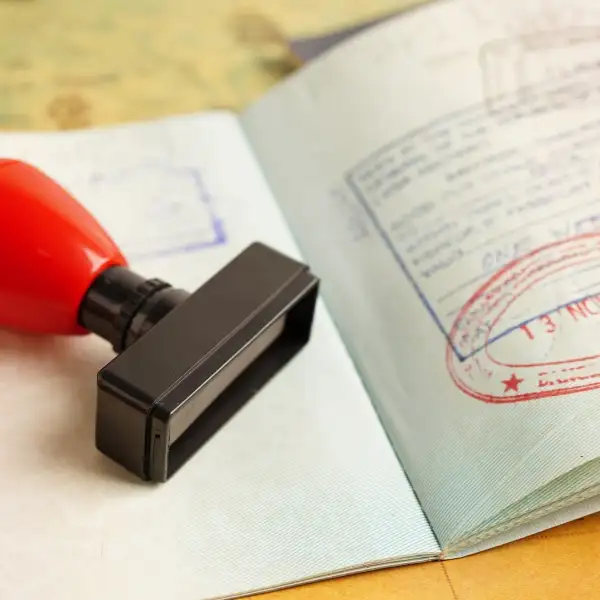
If the traveler is a minor (under 18 years old), the following will be required to obtain a Spain visa:
- A letter of consent signed by both parents or the legal guardian.
- Copies of the passports of both parents or the legal guardian.
- A copy of the minor’s birth certificate.
- If the minor is adopted, official proof of adoption must be submitted.
- If the parents are divorced, official proof of divorce is required.
- If one or both parents are deceased, official proof of death (a death certificate) must be provided.
Read also: La Palma: The Hidden Secrets of the Canary Islands’ Beautiful Oasis
Spain Tourist Visa
What are the steps to obtain a Spain tourist visa?
Applications for a Spain Schengen visa must be submitted either to a Spanish embassy or consulate, or to an authorized visa application center associated with Spain. Furthermore, you must submit your application in the country where you legally reside or hold a valid residence permit.
In countries where Spain has no diplomatic or consular representation, applications can be submitted through the consulate of another Schengen member state that officially represents Spanish consular interests.
Before applying for a tourist visa to Spain, you must determine and fulfill the following:
- Define the Purpose: You must define the precise purpose of your travel to determine the specific type of visa you should apply for.
- Number of Entries: Determine the number of entries you require into Spain or the Schengen Area.
- Prepare Documents: Compile and complete all the required supporting documentation.
- Schedule an Appointment: Schedule an appointment to apply for the Spain Schengen visa. You may need to secure an appointment to submit your application; you can contact the Spanish consulate or the relevant visa application center directly to find out if an appointment is mandatory.
- Fill out the Application Form: Fill out your Spain Schengen visa application form. Different Spanish consulates and visa processing centers provide various methods for obtaining application forms depending on where you apply. You may need to download the Spain visa application form, fill out the data, print it, and sign it. This form is available via the official Spanish consulate link, and you can submit this physical paper copy to the consulate where you are applying.
- Pay the Fees: Complete the payment for the Spain Schengen visa fees.
- Submit the Application: Submit your application for the Spain Schengen visa (no earlier than 6 months, and preferably no later than 15 days, before your planned travel date).
Please note that after submitting your application, you may be requested to return at a later date for a personal interview to provide additional information or further supporting documents regarding your travel.
Spain Visa Approval Rate
The approval rate for a Spain visa can vary based on several factors, such as nationality or any missing documents in the application file. However, in general, the rejection rate usually does not exceed only 20% of the total number of visa applicants. You simply need to follow a few guidelines, such as:
- Application Timing: Submit your application at least 15 days before your intended travel date, and no earlier than 6 months prior to departure.
- Processing Time: The processing time for a Spain Schengen visa typically takes 15 days, though it may extend up to 45 days in certain cases.
- Visa Collection: If your visa is approved, collect your passport and ensure that all information contained within the visa sticker is accurate and complete.
- Itinerary Changes: You must be careful upon obtaining your Spain Schengen visa, as it may be revoked if you fail to inform the Spanish consulate or visa application center of any changes to your travel itinerary that occur after submitting your application.
- Entry Not Guaranteed: Approval of a Spain Schengen visa does not guarantee your entry into Spain or the Schengen Area in general – entry can still be refused at the border upon arrival.
- Additional Border Documents: Additionally, you may be required to present supplemental documents regarding your financial status or accommodation details to secure entry into Spain or the Schengen Area.
If you receive a refusal response regarding your Spain visa application, you should proceed with the following actions:
- Understand the Refusal: You have the right to appeal the rejection decision. Review the issued visa refusal form, which outlines the specific reasons for your application’s rejection and explains the detailed steps for the appeal procedure.
- Appeal Fees: You may be required to pay appeal fees, which in many cases are non-refundable, regardless of the appeal’s outcome (whether positive or negative).
- Consular Appeal: One of the available options is to submit an appeal directly to the consulate that issued the refusal decision (within one month of receiving the refusal notification).
- Judicial Appeal: Alternatively, you can file an appeal before the Administrative Chamber of the High Court of Justice in Madrid (within two months of receiving your refusal notice).
Spain Visa for Saudi Citizens
Do you wish to travel to Spain, enjoy its charm, and spend your vacation there?
If you want to obtain a travel visa to Spain, do not worry; the Embassy of Spain in the Kingdom of Saudi Arabia and the Spanish Consulate in Riyadh issue the Spain Schengen visa, which allows its holder to travel within the Schengen territories as well. The Schengen visa issued by the Spanish Consulate grants access to all member states. If the applicant intends to visit multiple Schengen countries, you must apply well in advance to avoid waiting times during peak seasons. Do not delay your visa application, and please note the following points:
- Travel Purpose: This applies to Saudi citizens wishing to travel to Spain for leisure or visiting friends only, and not for employment purposes.
- Residency Requirement: Legal residents in Saudi Arabia who hold a valid Saudi residence permit (Muqeem/Iqama) that covers the entire duration of the trip until the return date are also eligible to apply at the visa application center.
- Interview Rights: The embassy reserves the right to request applicants to attend an interview if necessary to gather more details or to request additional documentation.
- Fast Processing: Feedback and decisions on applications submitted by Saudi citizens are generally received within 3 to 4 business days.
- Important Note: Contacting the embassy after submitting the application will not expedite the processing. Furthermore, the embassy does not disclose any information over the phone or via email.
- Determining Main Destination: The embassy responsible for issuing the visa will be the embassy of the country where the traveler will stay the longest. If the duration of stay is equal across all Schengen countries, the application must be submitted to the embassy of the country of first entry.
- Fee Payment: The aforementioned visa fee must be paid in cash in Saudi Riyals (SAR).
- Child Exemption: Please note that the visa fee exemption applies to children if the child’s age is under 6 years old at the time of application submission.
Frequently Asked Questions
Visa applicants can visit the BLS Visa Application Center during the designated submission hours. A specialized officer will collect your visa application form to ensure that all documentation is complete and that your photos meet the required specifications.
Your passport will also be examined to verify its validity, ensure it has blank pages, and check previous travel history.
After paying the mandatory fees based on your requested visa type, your documents will be processed in the manner designated by the Consulate of Spain. Finally, a receipt for the paid fees and an acknowledgment of passport submission will be issued to you.
In-person attendance is mandatory for all applicants over the age of 12 to provide biometric data (fingerprints), unless fingerprints have been collected within the past 59 months.
However, for passport collection or for applicants exempt from biometrics, an authorized representative may proceed on your behalf, provided they present an official authorization letter from you, their ID, and the original BLS acknowledgment receipt.
Please note that applications submitted by mail are strictly not accepted and will be returned without review.
No. The Embassy of Spain in the Kingdom of Saudi Arabia and the Spanish Consulate in Riyadh issue a Schengen visa for Spain, which grants the holder the right to travel within the entire Schengen territory.
The Schengen visa issued by the Spanish Consulate provides access to all 29 Schengen countries.
If the applicant intends to visit multiple Schengen countries, the Spanish Embassy/Consulate will be responsible for issuing the visa only if Spain is the primary destination for the entire duration of the trip.
Applicants can submit their Spain Schengen visa applications no earlier than 180 days (6 months) before their planned travel date, and preferably no later than 15 days prior to departure.
This submission window can extend up to 9 months in advance for maritime crew members and seafarers.
Yes. Once you cross the external border and enter any Schengen country, a single-entry visa allows its holder to move freely across the internal borders of the Schengen zone.
However, it is crucial to note that if the visa holder leaves the Schengen territory entirely, they cannot re-enter without obtaining a completely new visa.