
Who among us does not know that Spain—or “Al-Andalus” as it was once called—is a paradise uniquely gifted with breathtaking and majestic nature? Its beauty unfolds in every form: from vast plains, gardens, and orchards to rivers, valleys, and streams flowing through dense, lush greenery.
So abundant was its water, which played a vital role in the flourishing of its verdant landscape, that travelers in ancient times visiting the lands and cities of Al-Andalus had no need to carry their own water supplies. It truly became “God’s paradise on Earth.” This ecological splendor has been celebrated by countless poets, serving as an eternal source of inspiration. Regarding its exquisite environment, these famous verses were composed:
O people of Al-Andalus, how blessed you are by God, With water, shade, rivers, and trees. The Paradise of Eternity is nowhere but in your dwellings; If I were given a choice, this is the one I would choose.
To this day, Spain remains a source of pride for its inhabitants and an object of praise and longing for every visitor or tourist. From ancient times until now, it has continued to be a destination for nature lovers and those seeking tranquility and relaxation within its embrace.
Consequently, eco-tourism in Spain is thriving across all regions. Every year, visitors flock to experience its diverse natural sites, remaining under the spell of the Andalusian charm from the very first moment they behold it.
Ecotourism in Spain (Nature)
The moment the word “Spain” or the name “Al-Andalus” reaches your ears—or even if you simply read or mention it in passing—your memory will instantly conjure unique glimpses of the most magnificent green landscapes. You will envision vast open plains, crystal-clear valleys, majestic shores, or lush, vibrant gardens.
Al-Andalus was known, and continues to be known, for possessing an unparalleled natural beauty. Because of this, eco-tourism (nature-based tourism) in Spain is a journey that never truly ends.
Visitors flock to Granada to behold the Generalife gardens and Sierra Nevada National Park in search of recreation, relaxation, and a peaceful escape for the soul. They travel to Marbella to explore its gardens, and onwards to Seville, the Canary Islands, and every beach or park they can possibly reach.
Among the most magnificent and premier eco-tourism destinations in Spain are:
Mount Teide
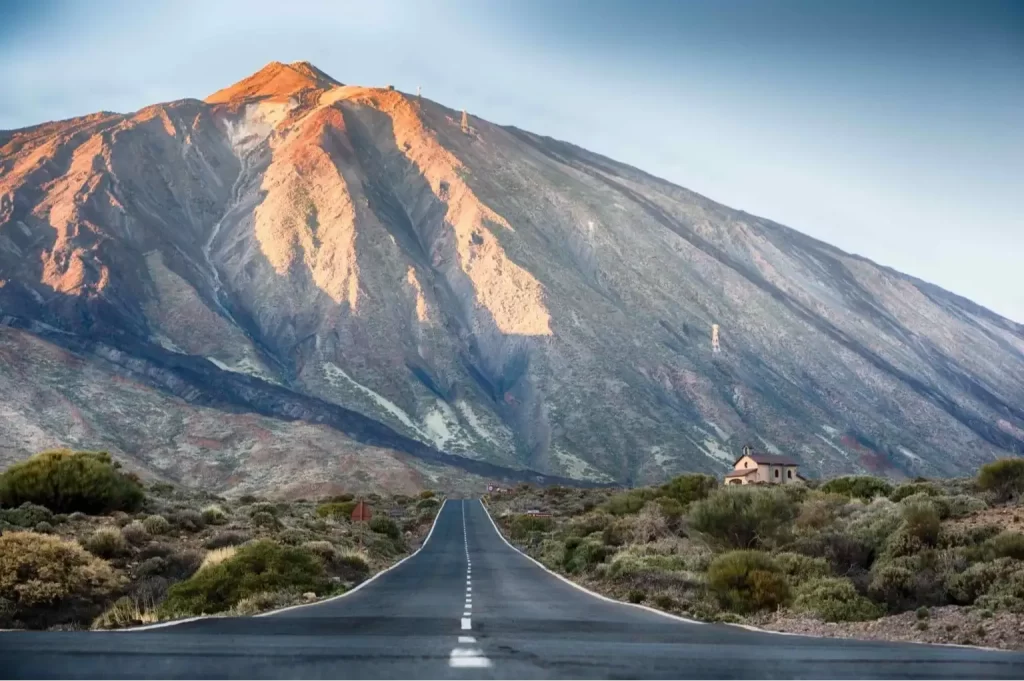
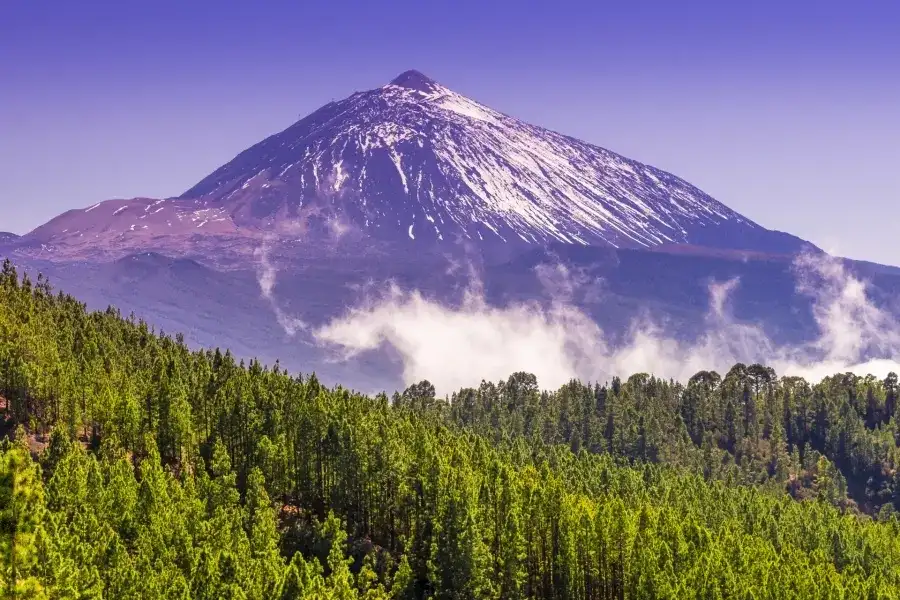
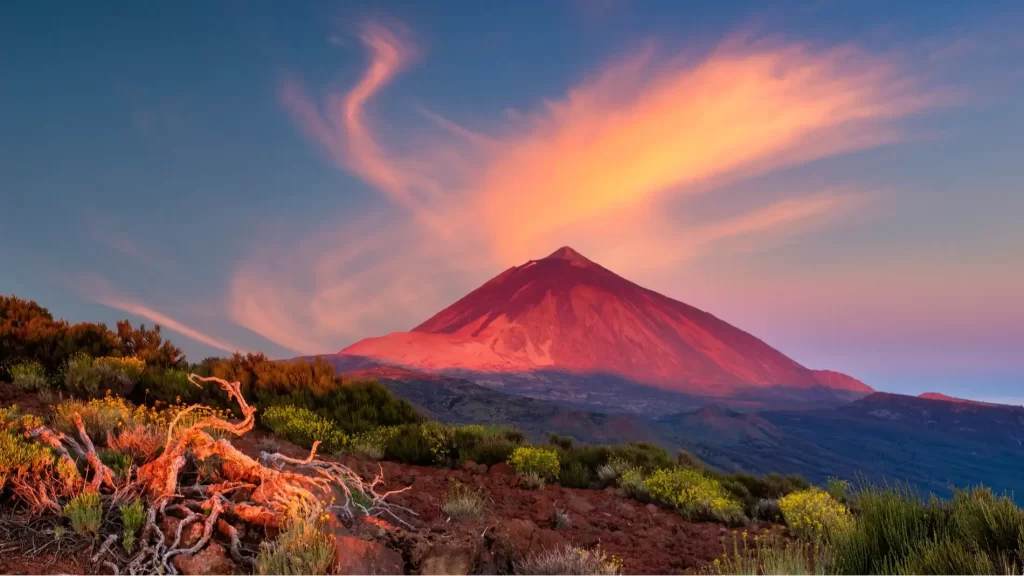
Mount Teide stands as a profound testament to the majesty and allure of the Spanish landscape. Located in the Canary Islands, specifically on the island of Tenerife, it is a destination that captures the essence of natural wonder.
As the highest point in all of Spain, the summit of Mount Teide reaches an elevation of 3,718 meters above sea level. It is a massive volcanic structure, ranking as the third-tallest volcanic peak in the world, with origins dating back over 8 million years.
Teide National Park is home to a rich biodiversity, hosting more than 1,400 animal species, including unique birds, rodents, insects, and lizards. Additionally, the park boasts a diverse flora with 167 different plant species, many of which are rare. Due to its immense ecological significance, the mountain and its surrounding park have been designated as a UNESCO World Heritage site.
Visiting Mount Teide offers unforgettable natural spectacles. Whether you witness the breathtaking colors of sunrise or the golden hues before sunset, the views are unparalleled.
However, the most majestic experience occurs at night, where the clear skies place you in the center of an awe-inspiring view of the Milky Way and the vast expanse of the cosmos.
Parque de la Alameda
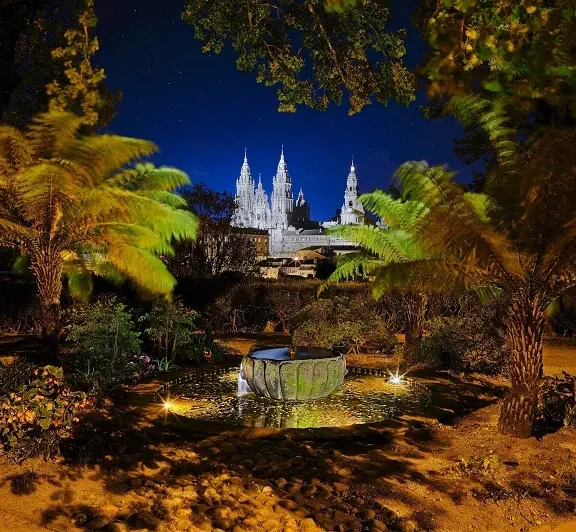

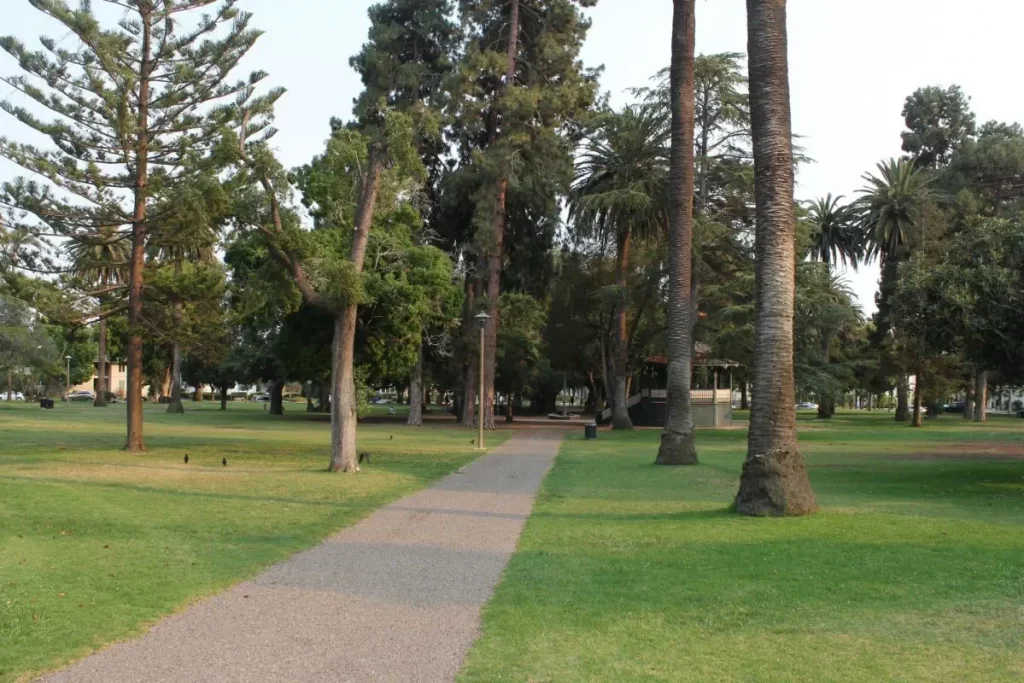
As another testament to the splendor of Spanish nature—especially in its lush green form of gardens, forests, and parks—Alameda Park, located specifically in the city of Marbella, stands out as a prime example. It is an ideal sanctuary for relaxation and unwinding, allowing visitors to recharge with positive energy amidst a Mediterranean climate.
The park is filled with tranquility and the fragrance of various aromatic flowers and plants, including several rare species hidden within its green expanses.
The park’s grounds are adorned with striking fountains and paved with elegant, eye-catching mosaics, designed to provide comfort for all visitors, particularly eco-tourists and those seeking to discover the secrets and beauty of nature.
Alameda Park offers a variety of activities for tourists and is especially suited for families and children. It features dedicated play areas and hosts evening events, including concerts, festivals, and traditional and Flamenco (Gypsy) dance performances.
Read More: Fuengirola’s Top Luxury 5-Star Hotels Your Ultimate Guide
Sierra Nevada National Park
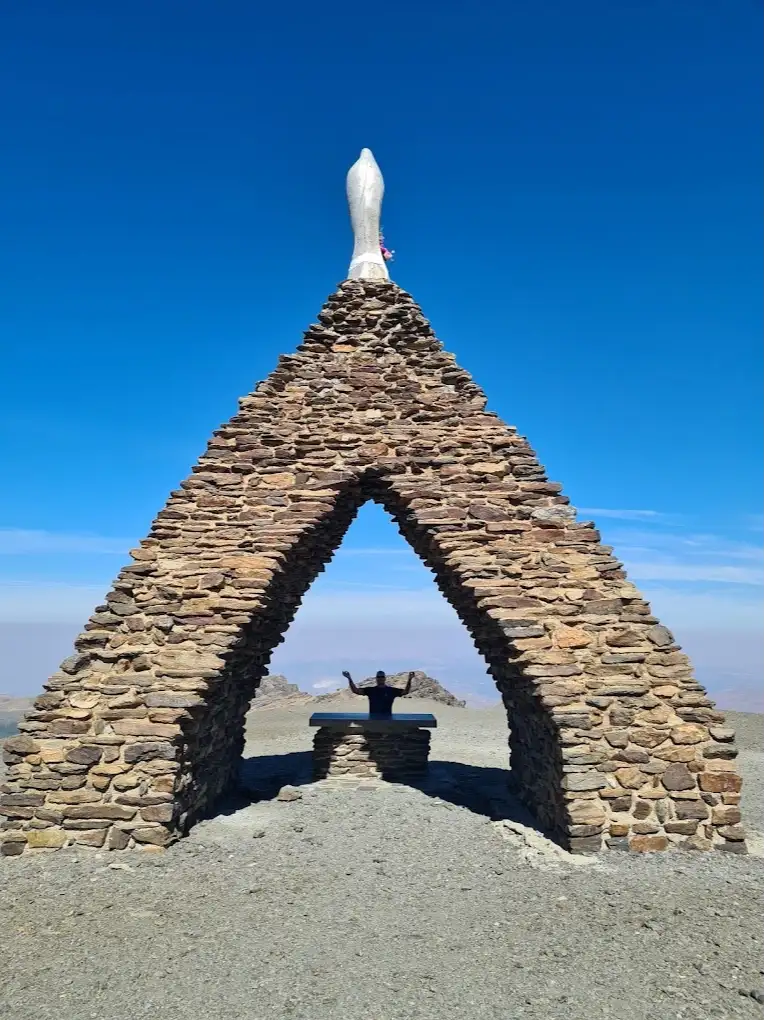
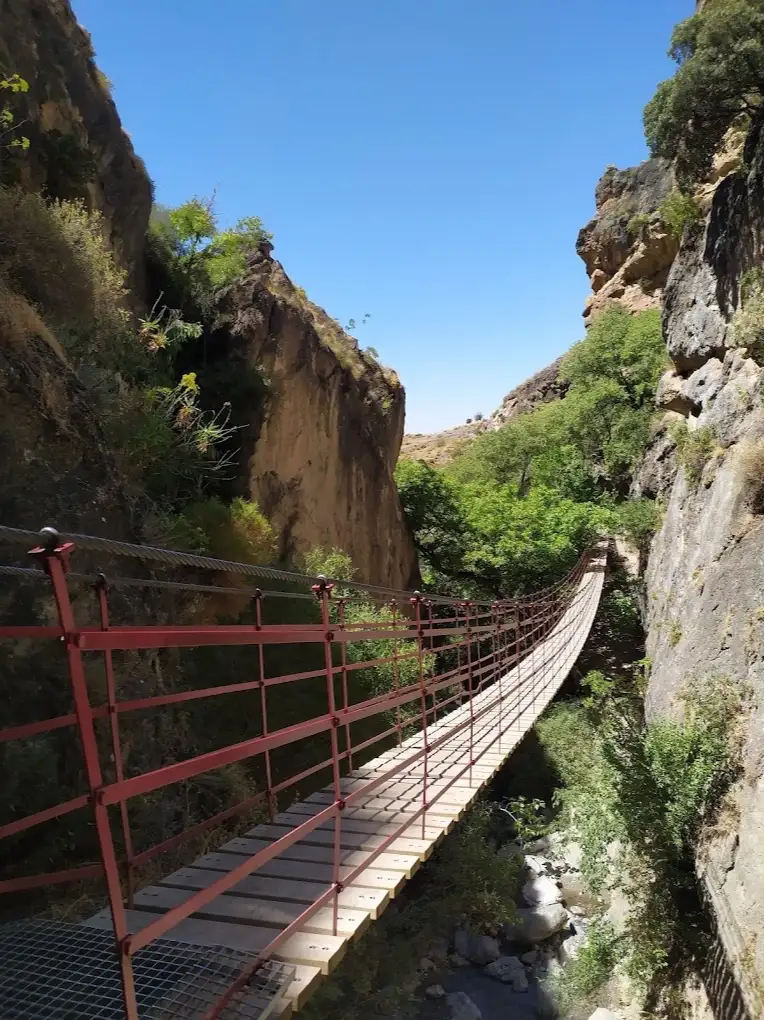
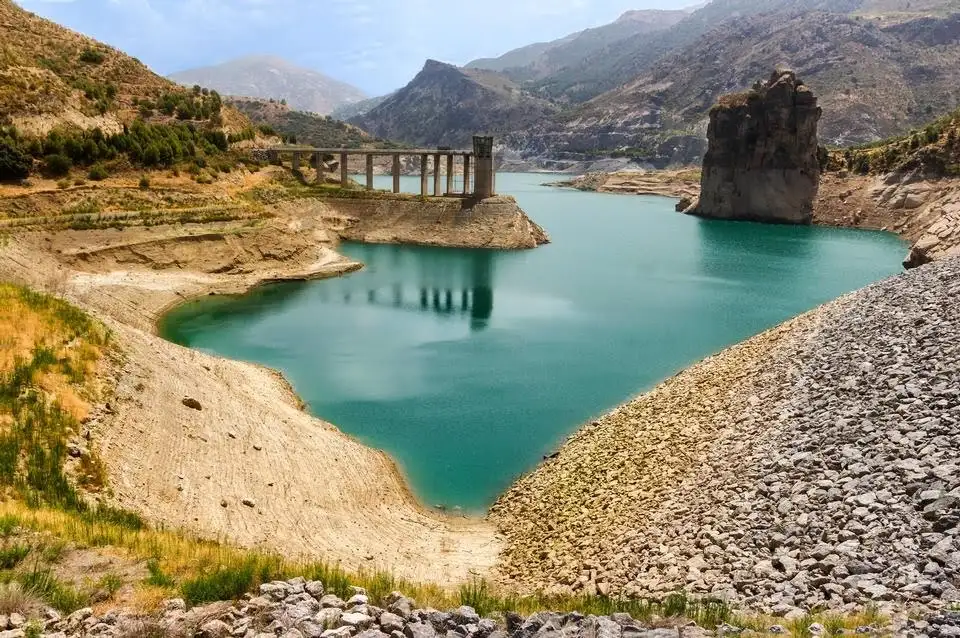
Spanning approximately 85,000 hectares of lush greenery and breathtaking ecological landscapes, this park encompasses all forms of natural scenery and terrain, from plains and highlands to plateaus and diverse flora.
Every nature lover will find what they seek in Sierra Nevada, including its stunning water features. The park is home to numerous lakes, waterfalls, small ponds, and even valleys and streams. Furthermore, it serves as a sanctuary for many endangered plants and rare wildlife, such as the majestic Golden Eagle.
Located near the verdant city of Granada, the park offers visitors the chance to spend unforgettable time in nature. It provides a wide array of exciting activities, such as mountain camping and climbing, cycling, and horseback riding. During the winter season, it transforms into a prime destination for the thrill of skiing and snow sports.
Read More: Driver and Tour Guide Prices in Spain
Generalife
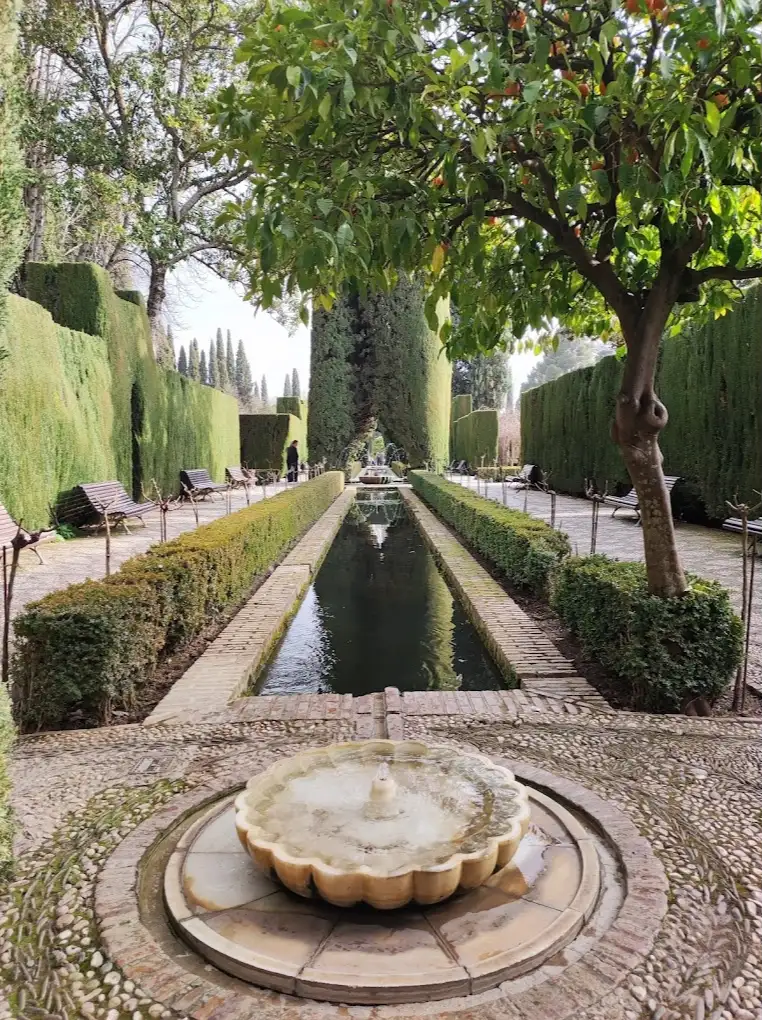
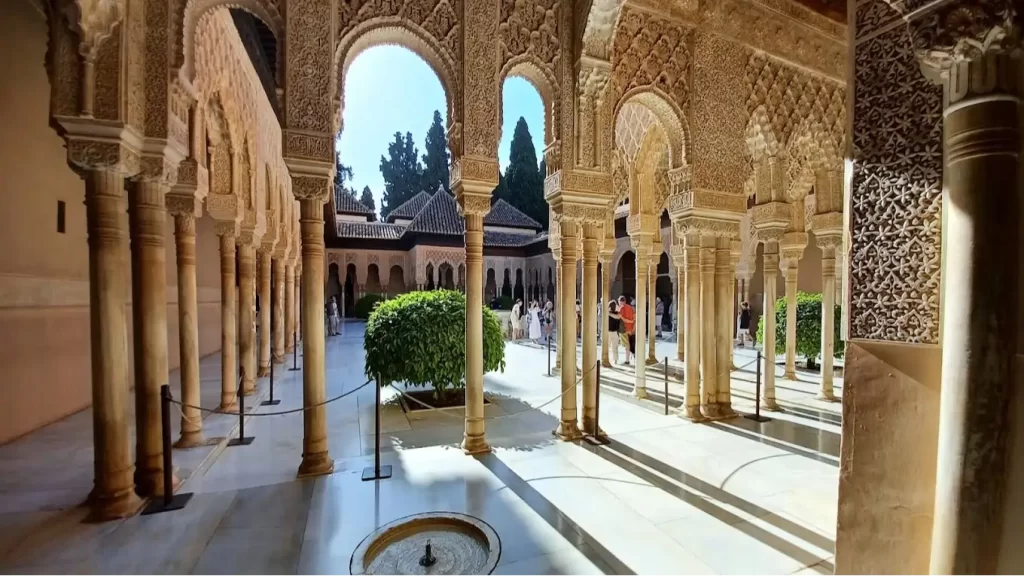
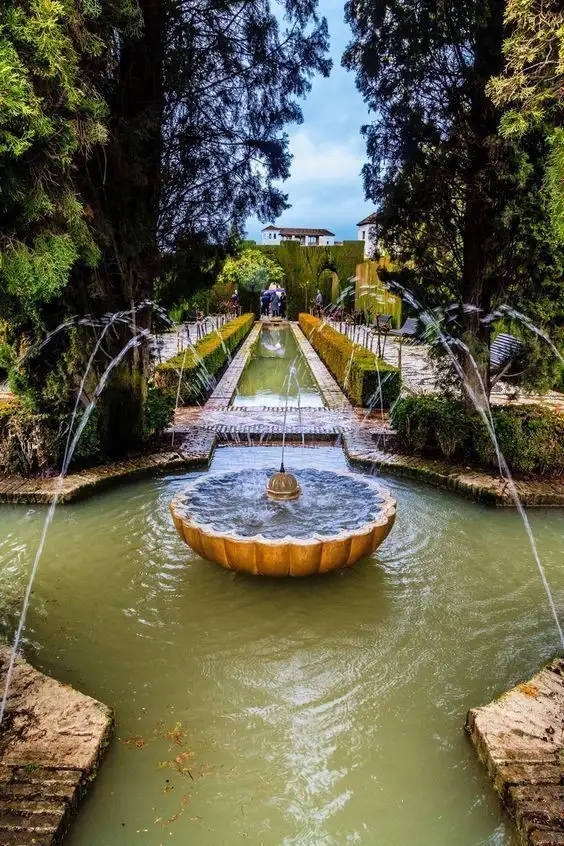
Although the Generalife is a site of immense historical significance, it is best described as a premier natural and ecological destination.
It brings together four of the most magnificent green orchards: Mirtheria, Fontepeña, La Grande, and Colorada. Historically, it served as a royal garden and orchard—a secluded retreat for sultans seeking a tranquil and beautiful atmosphere, hidden amidst dense trees that provide cool shade even from the sun. For this reason, the Generalife is situated just below a ridge known as “The Hill of the Sun” (Cerro del Sol).
The Generalife is considered one of the seventeen most beautiful orchards belonging to the royal heritage. It blends seamlessly into the verdant landscape, overlooking the beautiful farms of Granada and nestled within the mountain spurs branching out from the Alhambra. Visitors can enjoy the fresh, open air and the abundance of pure, crystal-clear water that flows through its grounds.
Parque de María Luisa
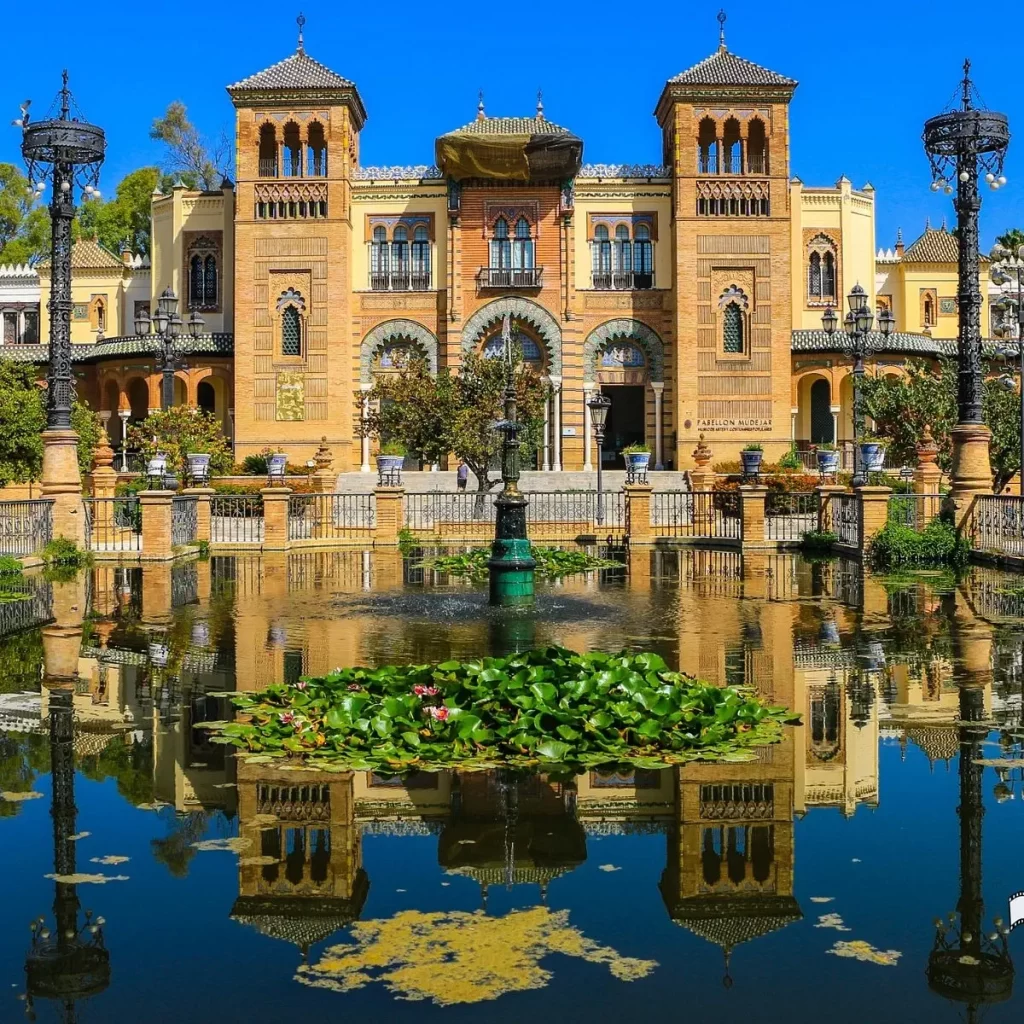
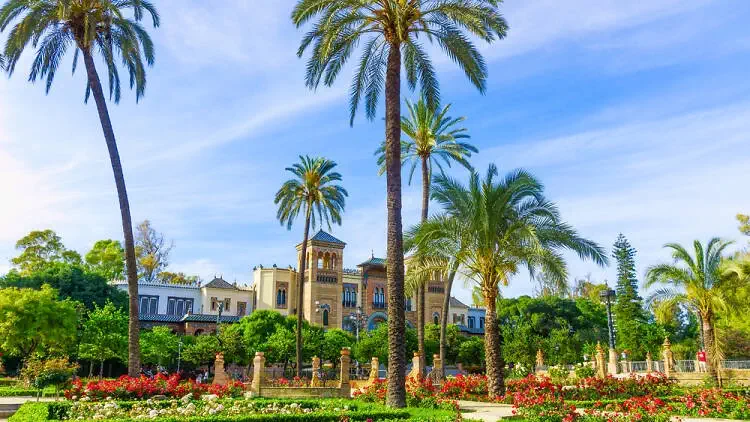
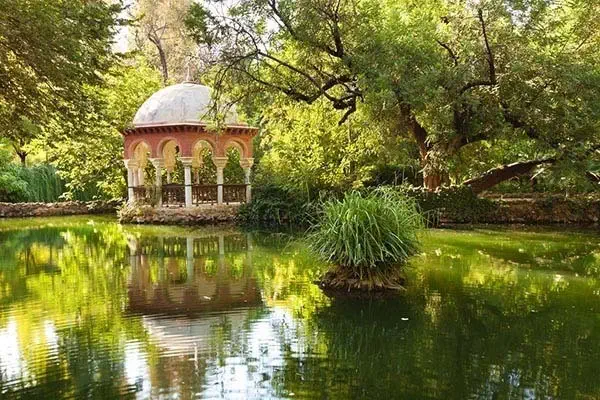
Among the significant gardens in Spain that boast beautiful natural scenery and have become a favorite destination for families and visitors is Maria Luisa Park in Seville. It is ideally located along the Guadalquivir River on Avenida de María Luisa.
This lush park features expansive green spaces where visitors can enjoy a variety of engaging outdoor activities. These include relaxing in the heart of nature, meditating on its splendor, and soaking in its charm. For those seeking more active pursuits, the park is perfect for cycling, jogging, and skateboarding.
Additionally, there are numerous dedicated play areas for children, and the park occasionally hosts various entertainment events and live concerts.
What is Eco-Tourism?
The essence of Eco-Tourism is not something that requires a mere definition as much as it requires an internal understanding blended with emotion and sensation.
It expresses the union and integration of humans with the surrounding nature and environment, and their passion for discovering all its sources and components. This is a natural and innate feeling, as nature and its various manifestations have always been the primary and safest sanctuary for humanity.
Read More: Sports Tourism in Spain and The Most Beautiful Spanish Stadiums
As a conceptual term, Eco-Tourism emerged around the 18th century. It refers to the intentional visiting of environmental and natural areas—such as valleys, nature reserves, mountains, rivers, orchards, and forests—to contemplate their beauty and grandeur, and to engage in activities that enhance human enjoyment and well-being.
Furthermore, eco-tourism means immersing oneself in the heart of nature while adhering to the principle of conservation—enjoying the environment without harming or negatively impacting it. It often involves gaining knowledge about the natural world, strengthening the understanding of the relationship between humans and the environment, and promoting education and awareness regarding all ecological matters.
The importance of environmental awareness and education lies in preserving all that nature contains and minimizing damage. Environmental harm manifests in many ways, such as the loss of various animal and plant species—especially rare ones—and the threat of extinction. It is also seen in the destruction of natural green spaces to make way for urban development.
To curb these phenomena, it is essential to establish nature reserves and support regional and international organizations dedicated to environmental protection. Moreover, it is crucial to consistently encourage Eco-Tourism, which remains our most vital and primary focus.
The Importance of Eco-Tourism
What is the significance of Eco-Tourism?
As previously touched upon, the importance of eco-tourism lies in its vital role in preserving nature and the environment while curbing activities that cause intentional or accidental harm. Its core significance can be summarized through the following points:
- Economic Sustainability: Eco-tourism provides an independent and additional source of income dedicated specifically to the conservation of critical ecological areas. Furthermore, it serves as a significant economic driver for countries rich in natural landmarks, helping to bolster their national economies.
- Awareness and Education: It encourages the implementation of conservation practices by raising awareness among tourists and providing them with essential information on how to protect the environment.
- Support for Scientific Research: It offers researchers a golden opportunity to study geological and ecological systems within various natural and geographical regions, thereby supporting academic and field studies.
- Resource and Food Innovation: These studies can evolve to help identify natural materials within specific regions at a lower cost, potentially contributing to the production of better and more beneficial natural food products.
- Empowering Local Communities: Eco-tourism seeks to increase the revenues of local communities and residents, fostering a sustainable environmental economy and maintaining long-term ecological development.
- Cost-Effectiveness: It is worth noting that the costs associated with nature-based tourism are significantly lower and almost incomparable to the expenses of other types of tourism.
- Psychological Well-being: We cannot overlook the magical effect of nature on its visitors. It instills a sense of tranquility and peace, improving mental health through recreation, relaxation, meditation, and the breathing of fresh air amidst lush green landscapes that soothe the soul.
Best Eco-Tourism Destinations in Spain
Breathtaking Spain is defined by its majestic natural borders on all sides. To its south and east lies the Mediterranean Sea, while the Atlantic Ocean stretches along its western coast. Located on the Iberian Peninsula, Spain also encompasses some of the world’s most unique and beautiful island groups, most notably the Canary Islands in the Atlantic and the Balearic Islands in the Mediterranean.
A land characterized by high plateaus, diverse mountain ranges, and expansive plains stretching along its coastlines, Spain is also home to vibrant, life-giving rivers such as the Ebro, Douro, Tagus, and Guadiana. With such a rich geographical tapestry, it is only natural that eco-tourism and nature-based travel hold a prominent place in the country.
Among the premier eco-tourism destinations in Spain are:
National Park Timanfaya
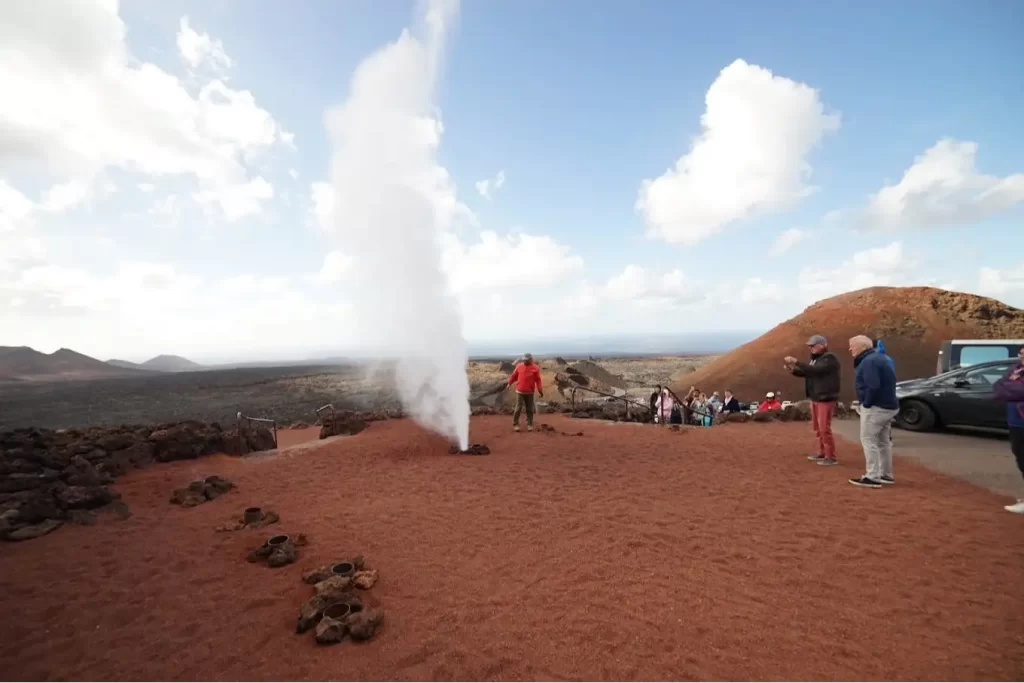
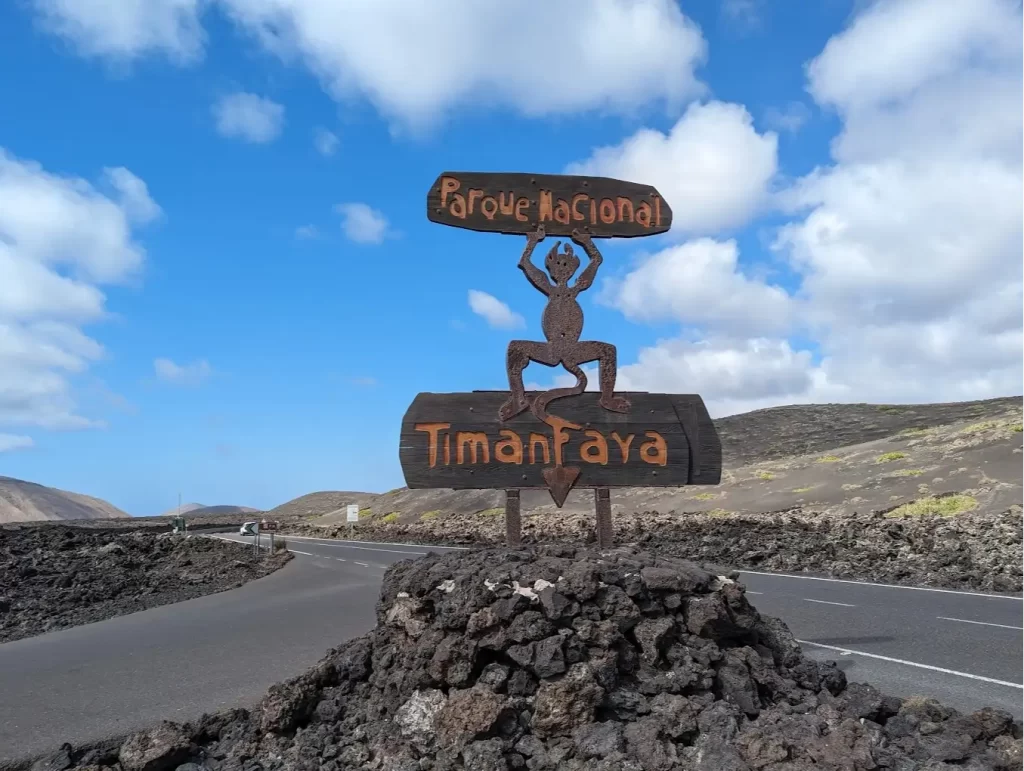
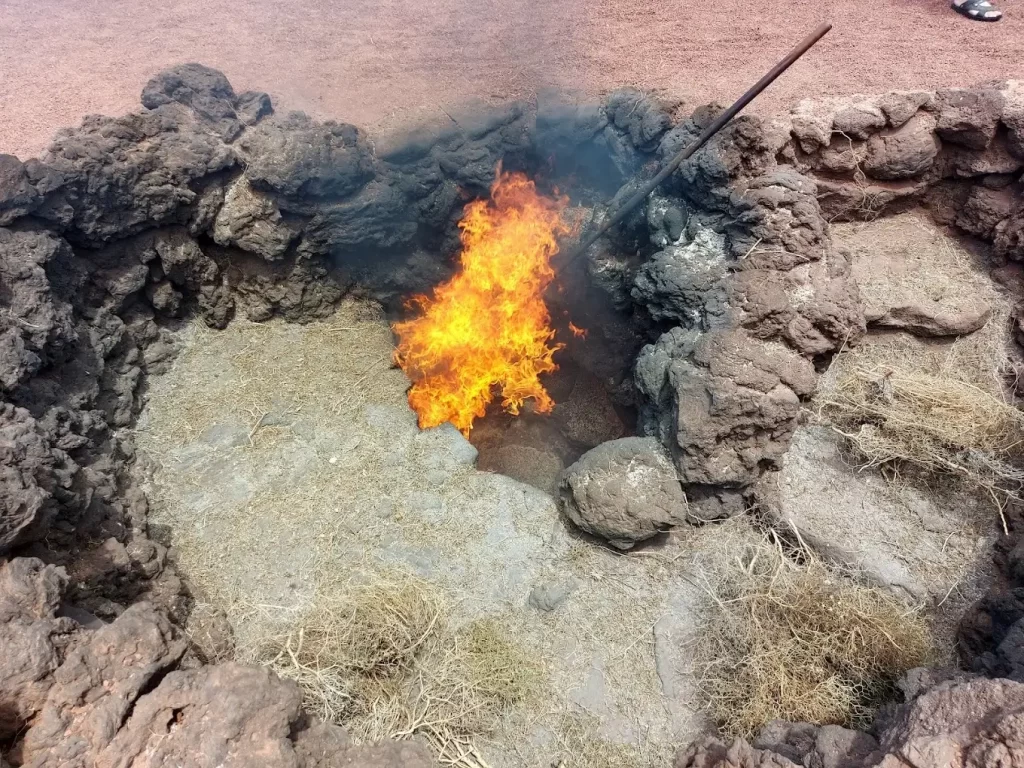
In the heart of the wondrous Canary Islands, specifically on the stunning island of Lanzarote, lies Timanfaya National Park.
It is the most extensive volcanic area in the archipelago, a title earned due to its volcanic activity that remains thermally active to this day. The volcanic terrain covers approximately 51 square kilometers, offering a majestic sight that showcases a different side of nature beyond the usual greenery. Here, you will witness a spectacular landscape of solidified lava, volcanic peaks, and vast deserts of volcanic ash.
You can also engage in several unique activities at this site. One of the most extraordinary experiences is tasting delicious dishes cooked using the geothermal heat radiating directly from the earth at one of the park’s restaurants, all while enjoying a magnificent view of a dormant volcanic crater.
Caldera de Taburiente National Park
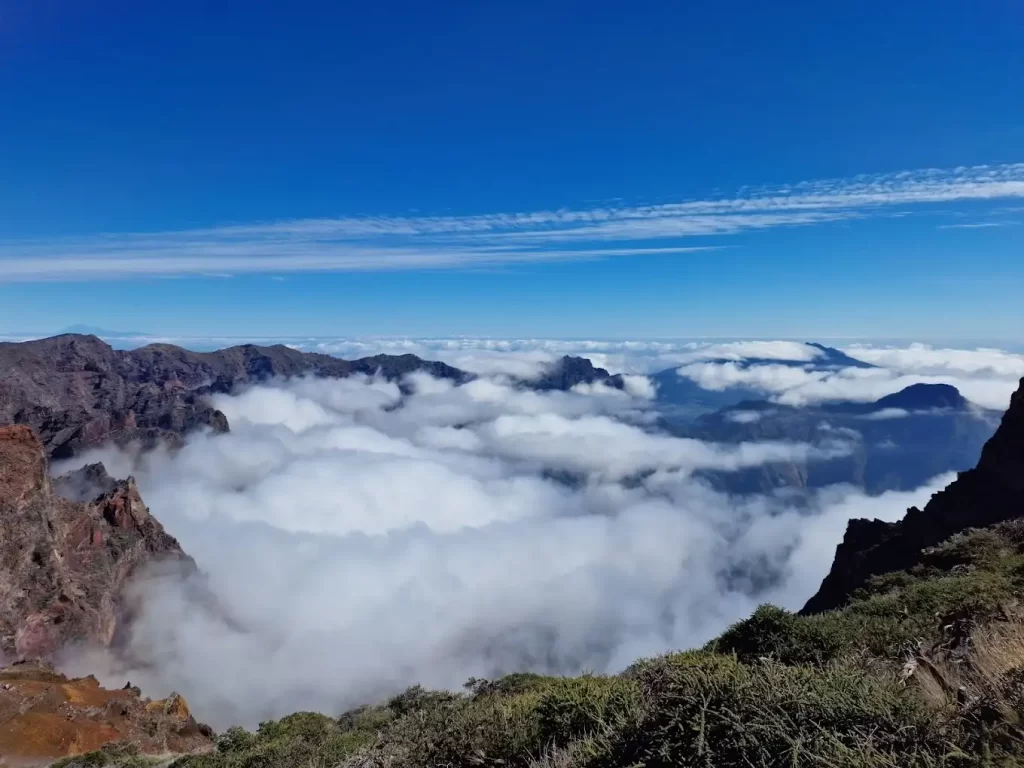

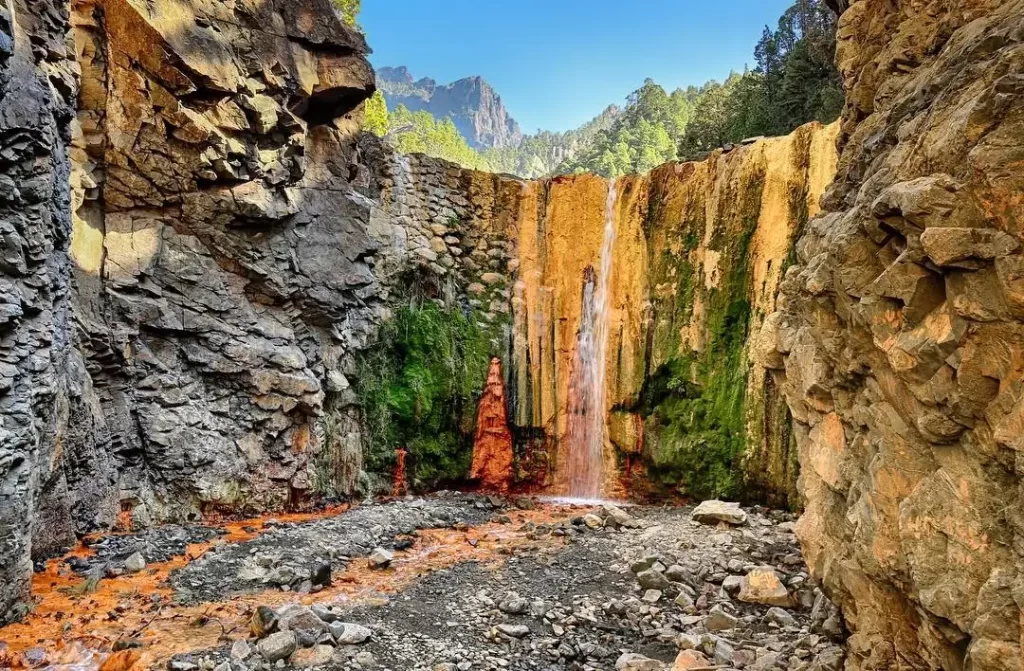
No eco-tourism itinerary in Spain is complete without visiting the Caldera de Taburiente National Park, located on the stunning island of La Palma in the Canary Islands. Often regarded as one of nature’s wonders, it is a precious treasure of biological and geological diversity.
The park is characterized by deep, dramatic valleys and waterfalls that shimmer with vibrant, beautiful colors. It is also famous for its magnificent Canary Island Pine forests, which grow in dense clusters across the park’s rugged terrain, creating a majestic scene as they weave through the ravines. Furthermore, the park’s sky offers one of the most spectacular and clearest views of the stars during the dark of night.
Canary Islands
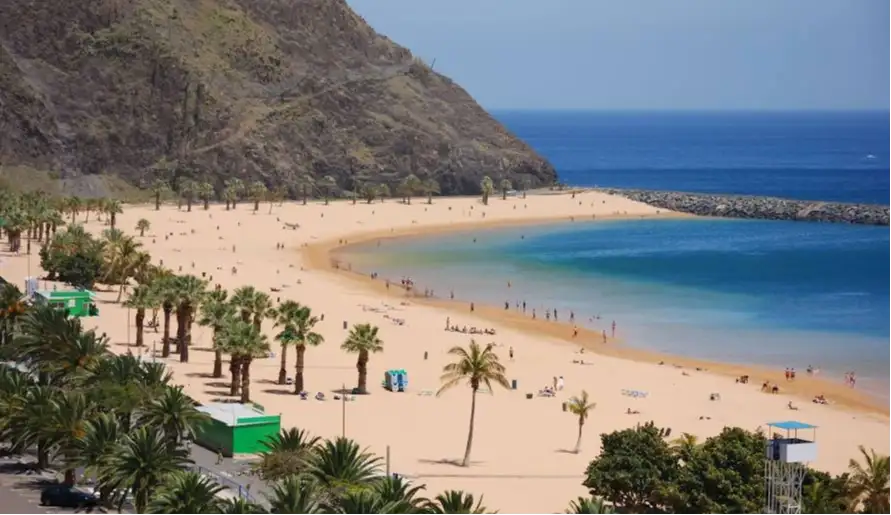
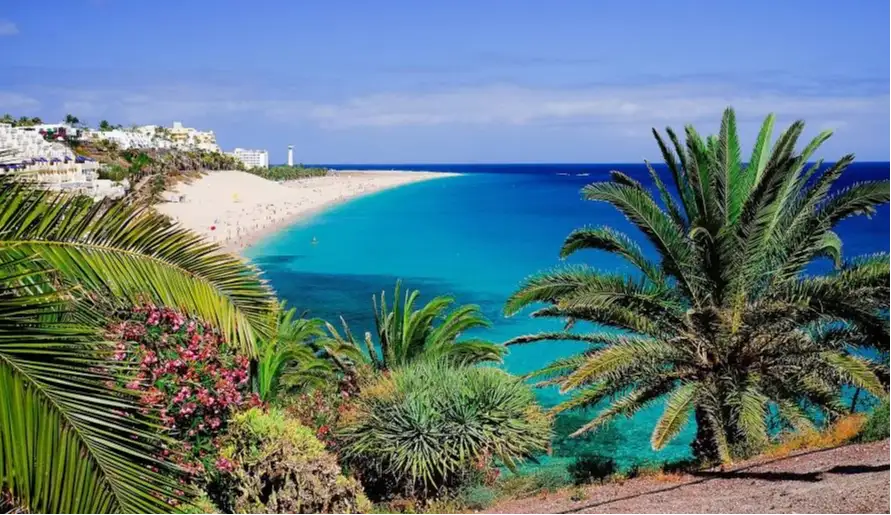
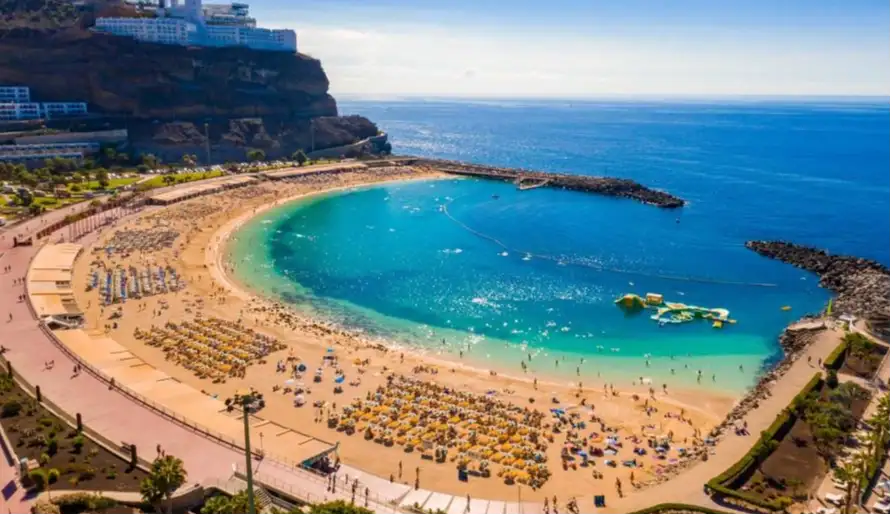
These islands are, in themselves, a true wonder of nature’s creation. Beyond their beautiful and temperate climate that lasts throughout the year, they possess a breathtaking and enchanting natural beauty that attracts more than 12 million tourists annually.
Visitors come to marvel at the splendor of Gran Canaria, the magnificent island of Tenerife, and one of the tallest volcanic peaks in the world.
Among the Canary Islands is Fuerteventura, which is considered one of the most important natural and ecological reserves. It serves as a sanctuary for a vast array of wildlife, birds, and even exotic and rare plant species.
The beaches of the Canary Islands offer a different kind of magnificence; tourists visit them to observe diverse marine life and engage in numerous activities such as walking, relaxation, and swimming, among many others.
Pyrenees
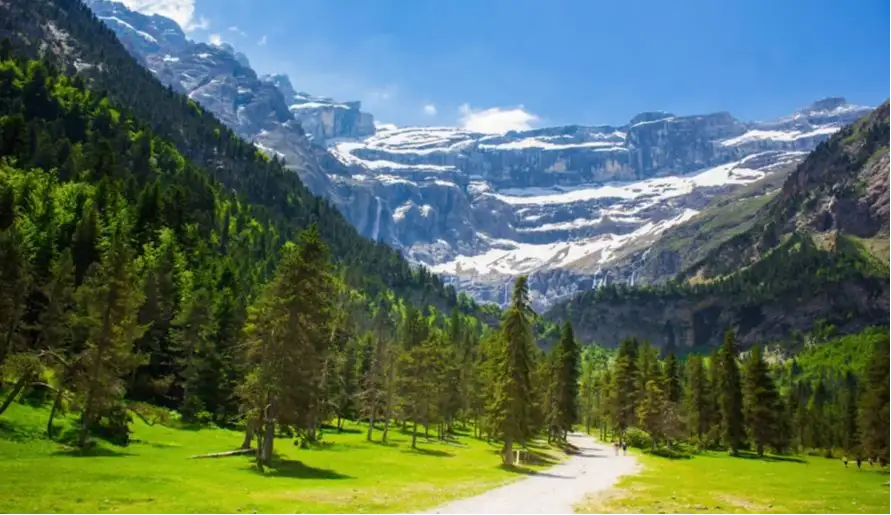
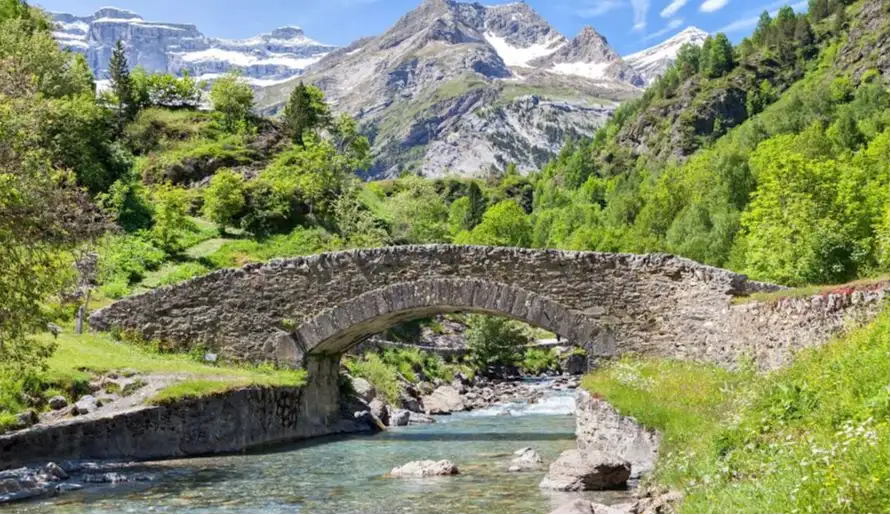

This mountain range, which forms the natural border between Spain and France, is an ideal destination for the ultimate adventures and eco-tourism activities in an atmosphere full of excitement.
With peaks reaching heights of over 3,400 meters above sea level, those who climb them will enjoy magnificent alpine scenery. Visitors can indulge in various hobbies such as mountain climbing, paragliding, hiking, mountain biking, and even white-water rafting.
Additionally, you can experience the unique Paradores (historic luxury hotels), go camping, visit pristine lakes, and enjoy the mineral water spas that abound in this mountainous region.
A journey into nature, from the city of Barcelona to the Pyrenees—just a few hours away—is an experience you definitely should not miss.
La Gomera
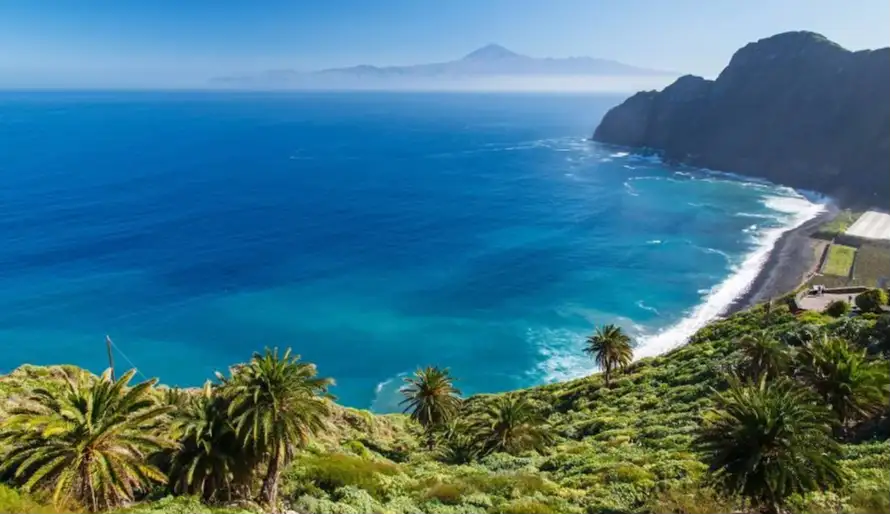

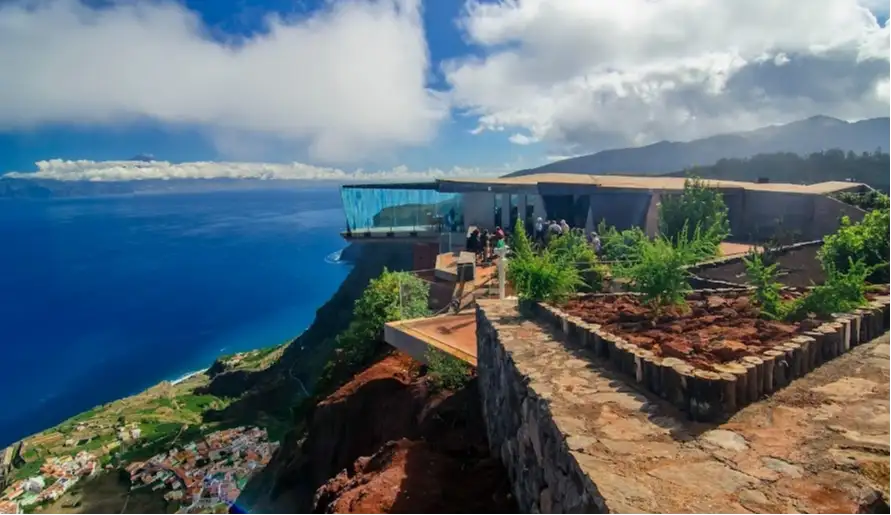
La Gomera is considered one of the most stunning of the Canary Islands, characterized by its beautiful nature and fertile soil, which yields a variety of delicious crops such as dates, grapes, tomatoes, bananas, and figs. Its expansive green spaces offer a gentle and serene atmosphere, perfect for those seeking peace and tranquility.
The island also serves as a hub for fishing along its many shores, such as the beaches of Valle Gran Rey. It is famous for its unique black sands, crystal-clear blue waters, and dense, ancient forests that stretch across the landscape.
If you visit La Gomera, do not miss its crowning jewel: the village of Agulo. This picturesque village boasts breathtaking natural views that make it a perfect setting for an unforgettable, once-in-a-lifetime vacation.
Eco-Tourism Activities in Spain
While many visitors flock to Spain for its mild climate, it is the country’s breathtaking green landscapes—its plains, valleys, mountains, and shores—that truly captivate the soul. Visitors seek the tranquility of vast orchards, lush gardens, and dense forests to escape the hustle and bustle of daily life. Their primary goals include:
- Rest and Rejuvenation: Achieving mental clarity and relaxation through recreation, meditation, and walking in the fresh air, allowing the green surroundings to wash away all worries.
- Unique Adventures: Beyond relaxation, many eco-tourists seek the thrill of unique adventures and diverse environmental activities.
Mountain Adventures
If you are heading to the highlands, you can enjoy a wide range of activities such as:
- Mountain climbing and scaling majestic peaks.
- White-water rafting and mountain biking.
- Paragliding and cable car rides for panoramic views.
- Hiking through rugged trails. You can find most of these exhilarating activities when visiting the Pyrenees and Mount Teide.
Marine and Coastal Exploration
The Spanish coasts and islands offer incredible opportunities to connect with marine life:
- Sailing and boating to watch whales and dolphins, particularly around La Gomera.
- Fishing, diving, and swimming in crystal-clear waters.
- Jogging and running along scenic promenades.
Camping and Wellness
For a truly immersive experience, tourists can go camping in natural reserves and mountainous areas. Additionally, you can visit mineral water spas and thermal baths, such as those found in the Pyrenees, or enjoy relaxing sunbathing sessions.
Exceptional Dining Experiences
Spanish cuisine is world-renowned, and eco-tourism spots often feature unique dining opportunities. A standout experience is visiting Timanfaya National Park, where you can taste dishes cooked using the natural geothermal heat of a volcano.
Family and Educational Fun
Spain’s parks and reserves are perfect for families. Children can:
- Discover rare plants and exotic creatures in their natural habitats.
- Enjoy dedicated playgrounds and amusement areas found in most major parks.
- Create lasting memories through interactive learning about the environment.
Entertainment and Culture
Nature and culture often intertwine in Spain’s parks. Visitors can enjoy:
- Flamenco performances and traditional Gypsy dances.
- Live concerts and musical evenings under the stars.
- Traditional festivals that celebrate Spain’s rich heritage.
Winter Sports
In the winter months, the snowy mountain slopes transform into a paradise for skiing and snowboarding, providing a thrilling experience for families and friends alike.
Frequently Asked Questions
The primary importance of eco-tourism lies in preserving natural landscapes and the environment. It aims to educate people about the grandeur and vital role of nature to minimize intentional or accidental harm. Furthermore, it encourages sustainable development and boosts the local economy of ecological regions.
Certainly! You can enjoy a wide range of activities and hobbies during your visit to these natural locations. These include long-distance hiking in the mountains, skiing, mountain climbing, and cycling. Additionally, you can enjoy swimming, diving, boating, and various recreational games.
The name Generalife is derived from Arabic (Jannat al-Arif). The title is a perfect reflection of the site: Jannat refers to a paradise-like land filled with lush shade, water, and greenery, while Al-Arif refers to a high slope or ridge. Thus, Generalife signifies a verdant hillside characterized by abundant shade, magnificent orchards, and pure, fresh water.
Eco-tourism is considered significantly more affordable than other forms of tourism. The costs associated with visiting natural areas are much lower compared to visiting non-natural sites such as commercial museums, monuments, or certain historical landmarks.
During the era of the Islamic conquests, the explorers looked at the snow-covered peaks of this mountain range and noted their resemblance to the “Burnous” (or Baranis in plural)—a traditional hooded cloak common in North Africa. Hence, the name was associated with this visual similarity.