Marbella has a rich and storied history spanning over 7,000 years, evolving from ancient Phoenician settlements to a world-renowned luxury tourist destination today. Here are the most significant stages of Marbella’s history:
Ancient Times
- The Phoenicians: The Phoenicians established the settlement of “Bilula” in the 8th century BC, which served as an important trading hub.
- Greeks and Romans: Both civilizations later controlled the region, leaving behind architectural remnants such as the Roman Villa.
- The Visigoths: The Visigoths took control in the 5th century AD and changed the city’s name to “Marbella.”
- The Muslims: Muslims conquered Andalusia in the 8th century AD and called the city “Marbil-la.” The city experienced significant cultural and economic prosperity during this period.
Post-Reconquista Eras
- Christian Reconquest: Christians reclaimed Marbella from the Muslims in 1485, and it was integrated into the Kingdom of Castile.
- Fortifications: Defensive structures were built around the city to protect it from Barbary pirate raids.
- Economic Decline: Marbella suffered from economic decline in the following centuries due to plagues and wars.
The 19th Century
- Restored Prosperity: Marbella began to regain its wealth in the 19th century thanks to lead mining and agriculture.
- Tourism: Tourism began to flourish in the late 19th century, as the city’s beauty and mild climate attracted visitors from all over Europe.
The 20th Century
- Spanish Civil War: Marbella was affected by the Spanish Civil War (1936-1939), though it did not suffer extensive destruction.
- Tourism Boom: Marbella experienced a massive surge in tourism after World War II, becoming a famous destination for celebrities and the aristocracy.
- Urban Expansion: This period was marked by massive urban growth, with the construction of numerous hotels, resorts, and tourist facilities.
The 21st Century
- Global Tourist Destination: Today, Marbella is a world-famous tourist hub, attracting millions of visitors annually from across the globe.
- Cultural Diversity: Marbella is characterized by its cultural diversity, home to people of many different nationalities.
- Challenges: Marbella faces several modern challenges, such as traffic congestion and a high cost of living.
History of Marbella
Marbella possesses a rich and vibrant history spanning over 7,000 years, beginning its journey in ancient times as a Phoenician settlement on the Mediterranean coast. Here is a detailed look at the history of Marbella during that era:
The Phoenicians
- Foundation of Bilula: The Phoenicians established the settlement of “Bilula” in the 8th century BC on a high hill overlooking the sea.
- Trade: “Bilula” became famous as an important commercial port connecting the Mediterranean Sea with the inland regions of the Iberian Peninsula.
- Culture: The settlement acquired a rich culture through its interactions with other great civilizations such as the Egyptians and Assyrians.
Read More: Fuengirola Beaches Top 10 Beaches in Fuengirola
The Greeks and Romans
- Greek Influence: The Greeks reached the area in the 6th century BC and referred to the region with names that eventually evolved into “Marbella.”
- Roman Control: The Romans took control of the region in the 1st century BC constructing numerous buildings and roads.
- Roman Villa: The Roman Villa remains one of the most important archaeological sites in Marbella featuring beautiful mosaics and private baths.
The Visigoths
- Visigothic Conquest: The Visigoths seized the region in the 5th century AD and maintained the city’s importance.
- Cultural Changes: The Visigoths introduced various cultural shifts to the city including the continued and evolving use of Latin.
The Muslims
- Conquest of Andalusia: Muslims entered Andalusia in the 8th century AD and called the city “Marbil-la.”
- Cultural Prosperity: The city experienced a cultural and economic boom during this period with the construction of numerous mosques palaces and bathhouses.
- Cultural Diversity: The city became home to a diverse population including Arabs Berbers and Jews living together during this prosperous era.
Modern History of Marbella Post-Muslim Era
Following the fall of Andalusia and the Christian transition in the late 15th century, Marbella entered a new era marked by radical political, economic, and cultural shifts.
Post-Reconquista Eras
- Christian Reconquest: Christians reclaimed Marbella in 1485, integrating it into the Kingdom of Castile.
- Defensive Fortifications: Massive walls and watchtowers were reinforced to protect the coastline from Barbary pirate raids.
- Economic Challenges: For several centuries, the city faced economic stagnation caused by outbreaks of the plague and various European wars.
The 19th Century: The Seeds of Prosperity
- Industrial Growth: Marbella regained its economic footing through lead mining in the Sierra Blanca and specialized agriculture.
- Early Tourism: In the late 1800s, the city’s mild climate began attracting European travelers seeking health and relaxation.
- Notable Figures: Renowned personalities like the American writer Washington Irving spent time in the region, drawn by its romantic history.
The 20th Century: The Golden Age of Luxury
- The Civil War: While the city was affected by the Spanish Civil War (1936-1939), it escaped major structural destruction.
- The Elite Boom: After WWII, Marbella became the ultimate playground for global royalty and the Hollywood elite.
- Urban Expansion: This era saw the construction of iconic resorts and the development of the “Golden Mile.”
- Celebrity Influence: Stars like Audrey Hepburn and Frank Sinatra frequently visited, cementing Marbella’s reputation as a high-society hub.
The 21st Century: A Global Landmark
- World-Class Destination: Marbella now welcomes millions of visitors annually, renowned for its “VIP” status.
- Cultural Diversity: The city is a cosmopolitan melting pot with residents from over 130 different nationalities.
- Modern Challenges: Like many global hubs, it navigates challenges such as high living costs and infrastructure demands.
Key Timeline of Modern Marbella
- 1485: The city is officially handed over to the Catholic Monarchs.
- 19th Century: Recovery of the economy and the birth of coastal tourism.
- 1926: The opening of the luxurious “Marbella Beach” hotel.
- 1954: Audrey Hepburn’s arrival, sparking a surge in international media interest.
- 1960s-1970s: The massive tourism boom and the rise of Puerto Banús.
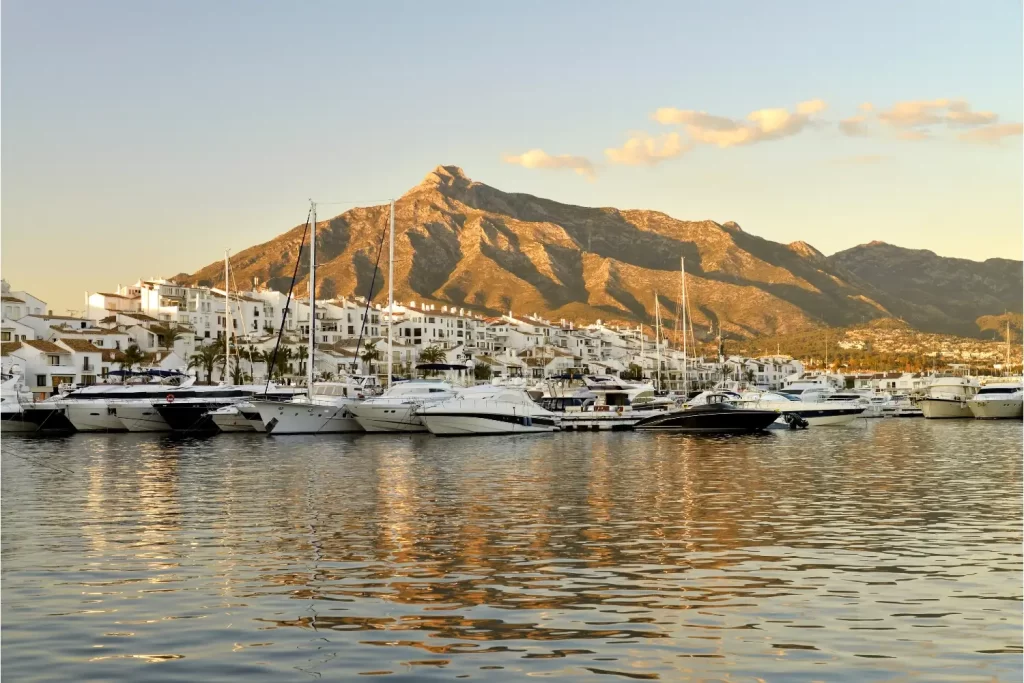
- 1970: Official inauguration of the world-famous Puerto Banús luxury marina.
- 2016: Marbella is named “Best Tourist Destination in the World” by major travel platforms.
Read More: Tourist Guide in Marbella Spain For Sightseeing Tours
Key Figures in Marbella’s History
Throughout history, many figures have influenced the city of Marbella, leaving their mark across various fields. Here are some of the most famous:
Political and Intellectual Field
- Abu Bakr bin al-Sa’igh: A poet and minister in the Islamic Kingdom of Granada, born in Marbella in 1234, representing the city’s rich Andalusian heritage.
- María Zambrano: A pioneering Spanish philosopher and poet born in Marbella in 1904, considered one of the most important thinkers of the 20th century.
- José María Gil de Pedro: A Spanish politician who served as the Mayor of Marbella between 1991 and 1999 during a period of significant urban expansion.
Artistic and Global Field
- Eduardo Rosales: A famous Spanish painter who lived in Marbella during the 19th century.
- Juan Gris: A Spanish painter and one of the pioneers of Cubism who lived in Marbella for a period of time.
- Audrey Hepburn: The world-renowned actress whose visit in 1954 served as a turning point, bringing international media attention to Marbella’s luxury.
- Antonio Banderas: The famous Spanish actor and singer born in the region (Málaga) in 1960, who remains a prominent ambassador for Andalusian culture and Marbella.
Sports Field
- Manuel Alonso: A famous Spanish footballer born in Marbella in 1980 who represented the city in Spanish leagues.
- Sergio Ramos: The legendary Spanish defender who was associated with Marbella FC at the beginning of his professional career before achieving global stardom.
- Paola Parra: A famous Spanish tennis player born in Marbella in 1986 who represented the city in international tournaments.
Other Fields
- Ibn al-Nafis: The famous Muslim physician and scientist; historical records often link his roots or presence to this region during the Andalusian era.
- José María Pemán: A famous Spanish writer who lived in Marbella during the 20th century and captured its beauty in modern Spanish literature.
- Richard Branson: The famous British entrepreneur and founder of the Virgin Group, who owns a home in Marbella, reinforcing its status as a hub for global business leaders.
In addition to these figures, many other celebrities from various fields—including directors, musicians, and writers—have made Marbella their home. These individuals have contributed to enhancing Marbella’s international status, making it a premier attraction for visitors from all over the world.
Read More: Tourist activities in Marbella for an enjoyable and unforgettable trip
Top Places in Marbella
Marbella Old Town
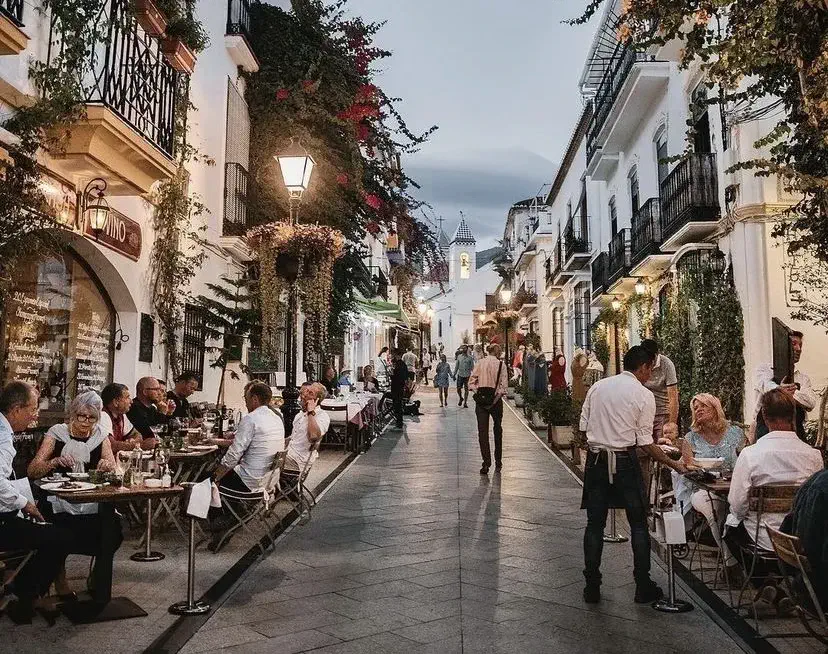
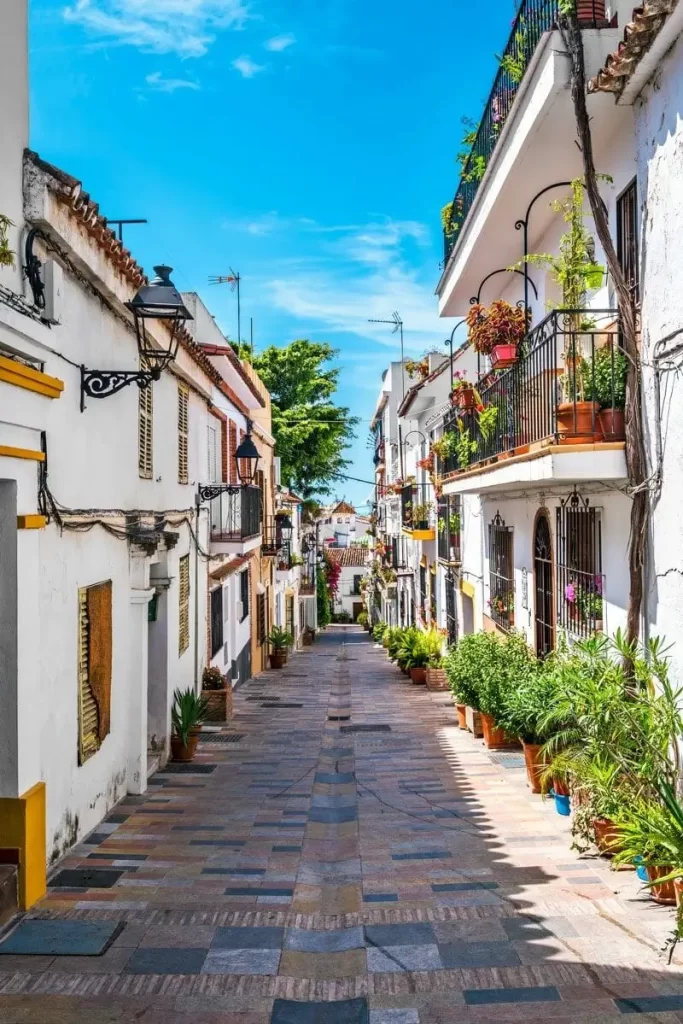
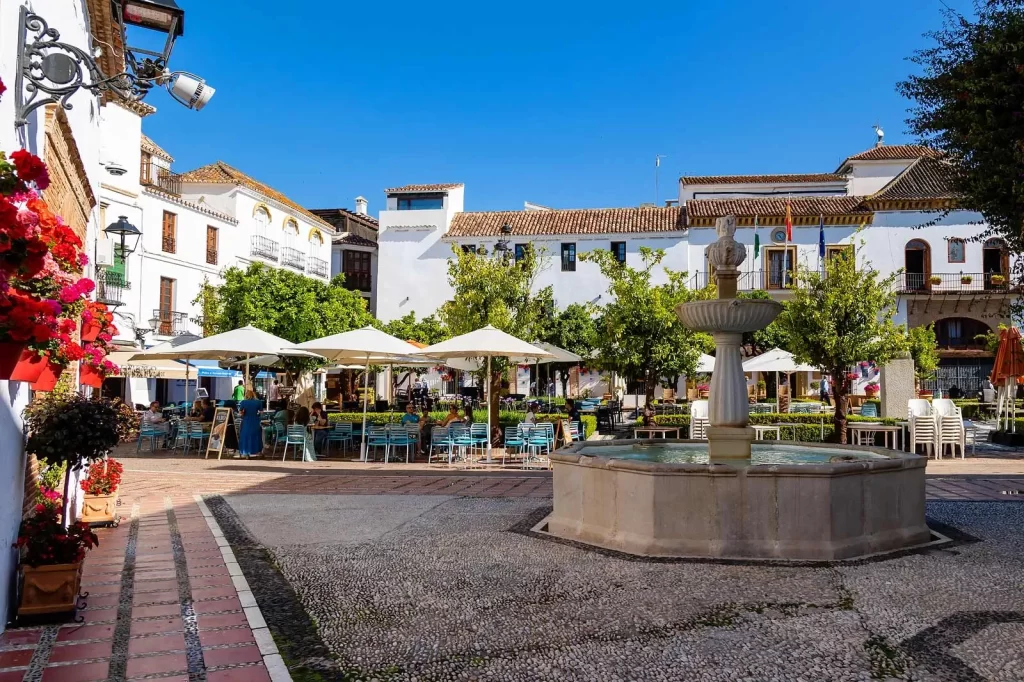
One of the most beautiful places and archaeological landmarks reflecting the Middle Ages, most of its buildings are whitewashed, with balconies blooming with colorful flowers that provide a sense of psychological tranquility.
It is considered a vibrant district dating back to the Renaissance era, where you can find alleys paved with red tiles alongside numerous cafes featuring various dazzling decorations and designs.
Plaza de los Naranjos
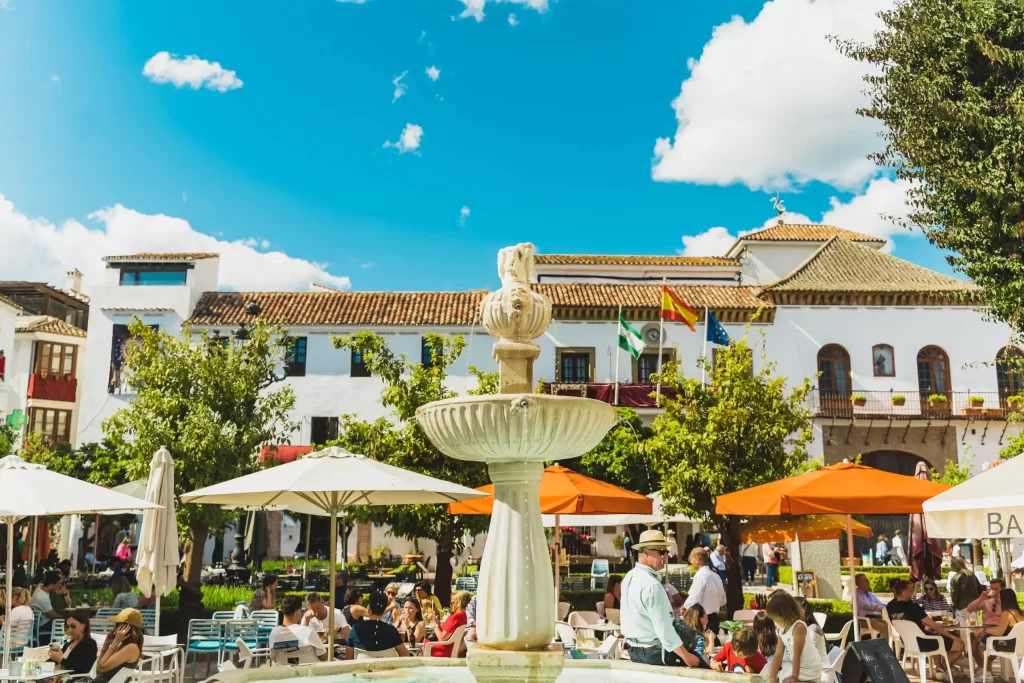
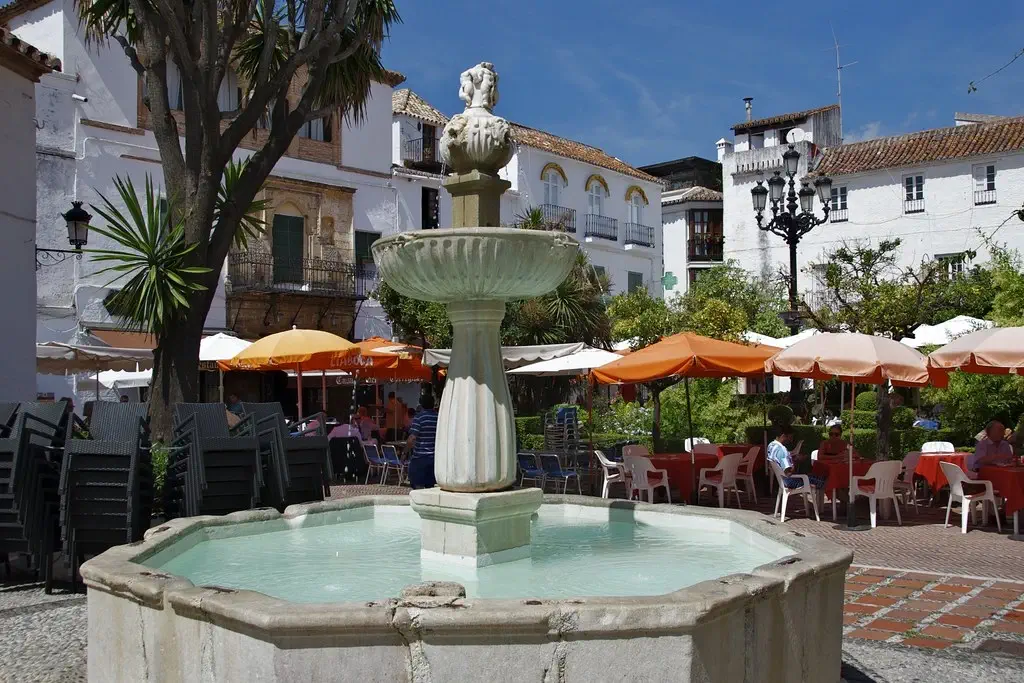
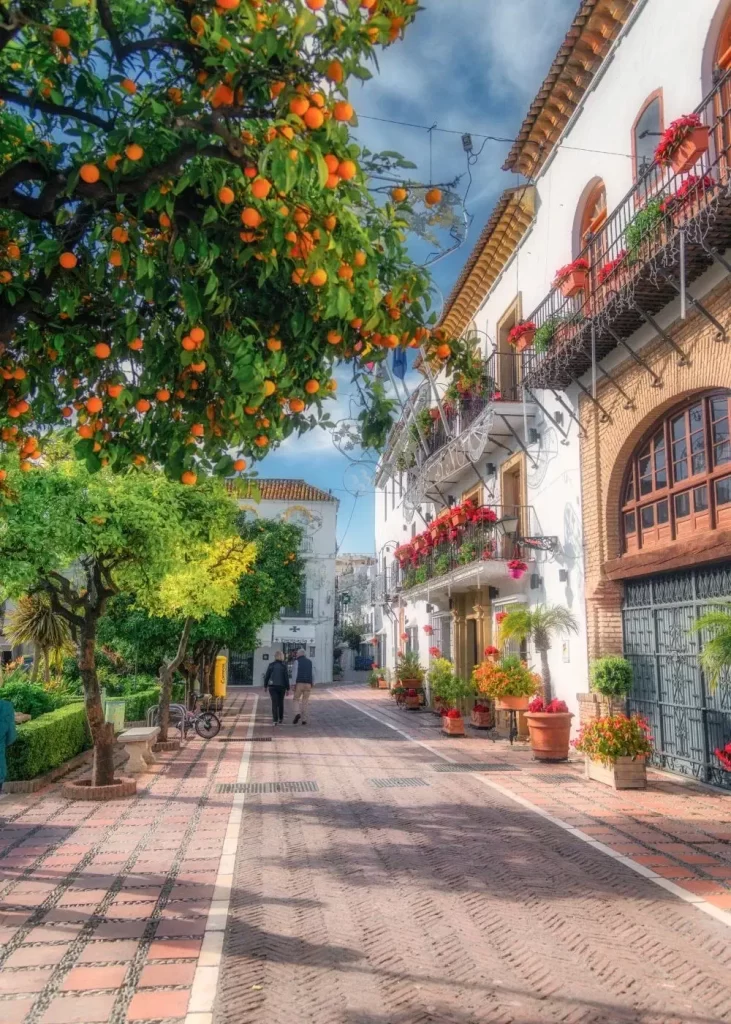
One of the main points tourists head to is Plaza de los Naranjos (Orange Square), which we highly recommend visiting while touring Marbella to take photos against walls filled with memories.
You can visit many of its restaurants and cafes, which are perfect spots for visitors to sit and rest while enjoying various traditional dishes that Marbella is famous for. One of the best experiences is witnessing the panoramic view at sunset.
La Encarnación, Marbella
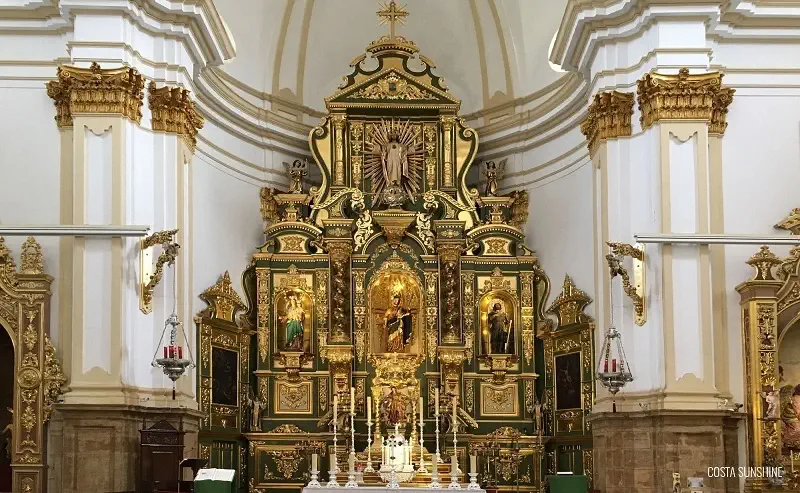
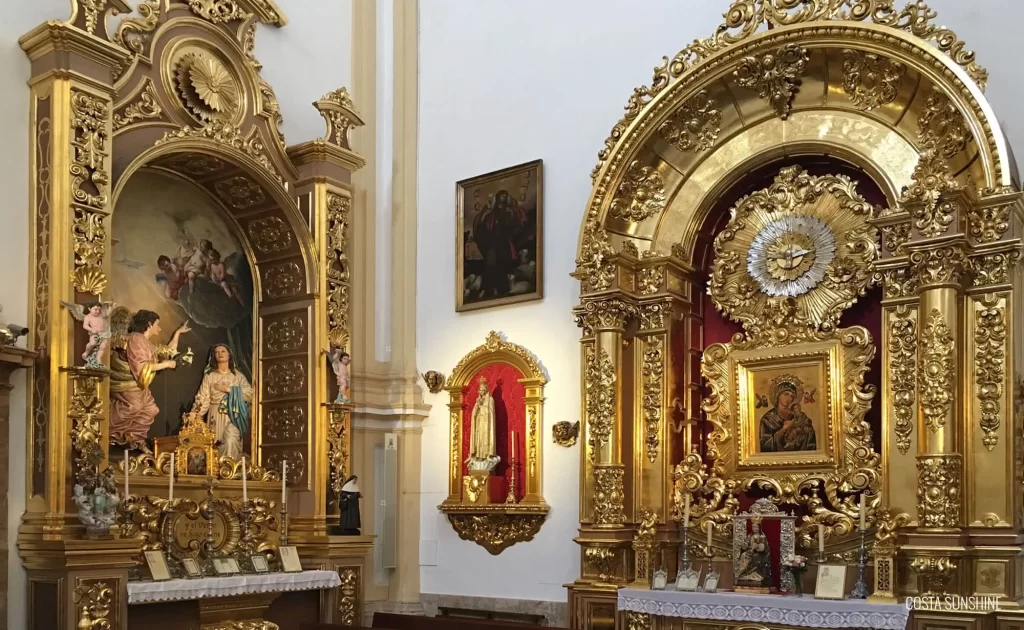
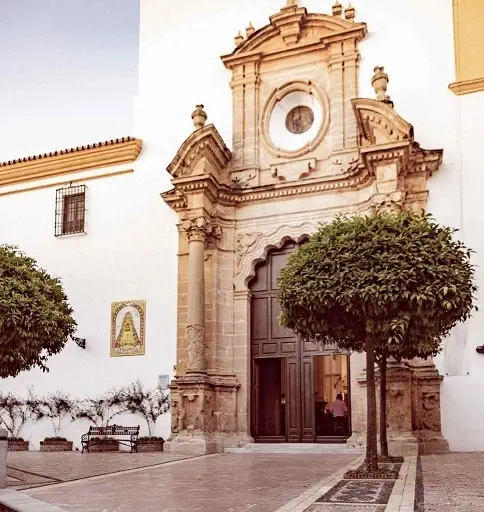
You can visit the Church of the Incarnation (Iglesia de la Encarnación) at any time, as it is permanently open to visitors. It is one of the most famous churches and has earned great admiration from tourists for its deep-rooted history, having been built on the site of one of the largest and grandest Islamic mosques. Aesthetically, it is distinguished by giant columns adorned with magnificent designs and impressive, massive doors.
Puerto Banús
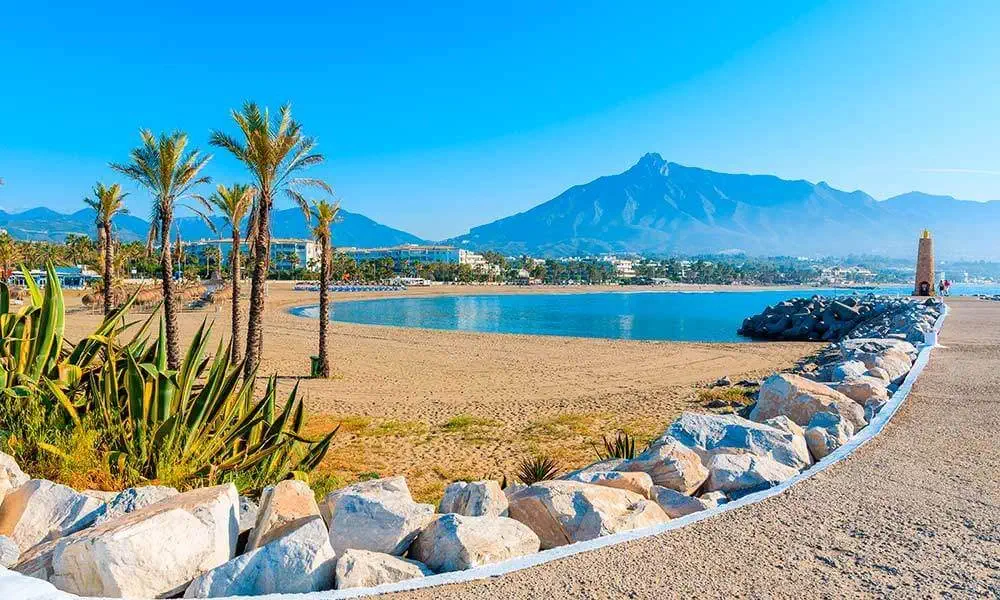
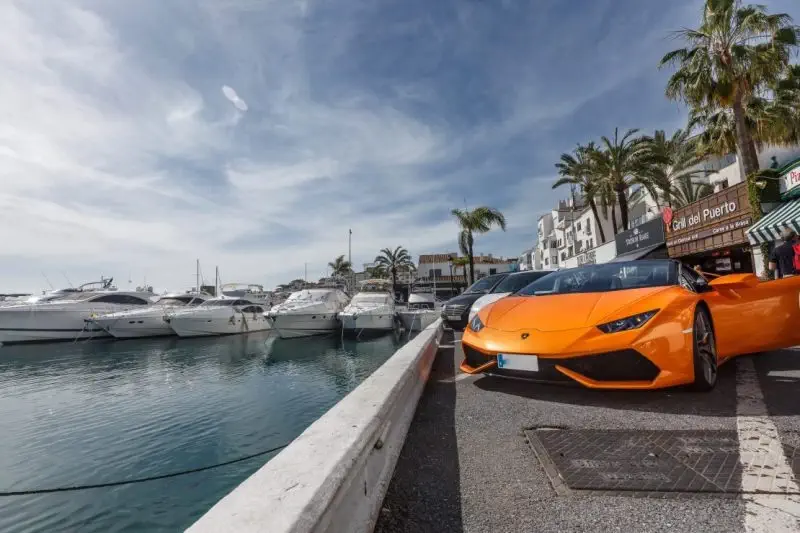
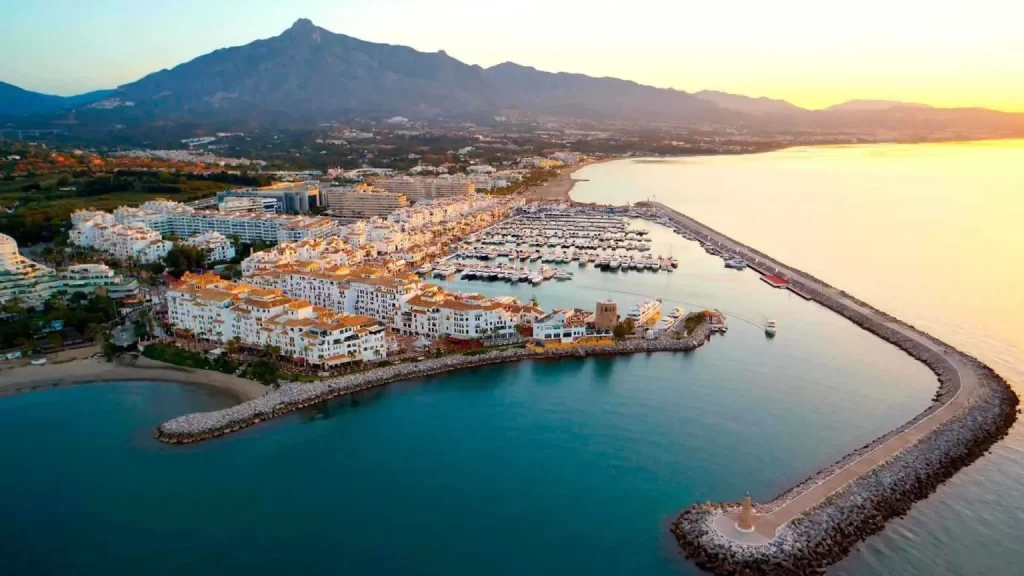
One of the most important beaches you should not miss visiting is Puerto Banús, which is among the most luxurious areas in Marbella. It features the most beautiful and extravagant yachts and ships, offering a wonderful sense of tranquility where you can go for recreation and relaxation with high levels of privacy.
It caters to all tourists’ needs with its numerous restaurants and bars that enhance the experience, alongside high-end lounges that are permanently open. Additionally, the area hosts several luxury markets where you can find everything you are looking for.
Cabopino Beach
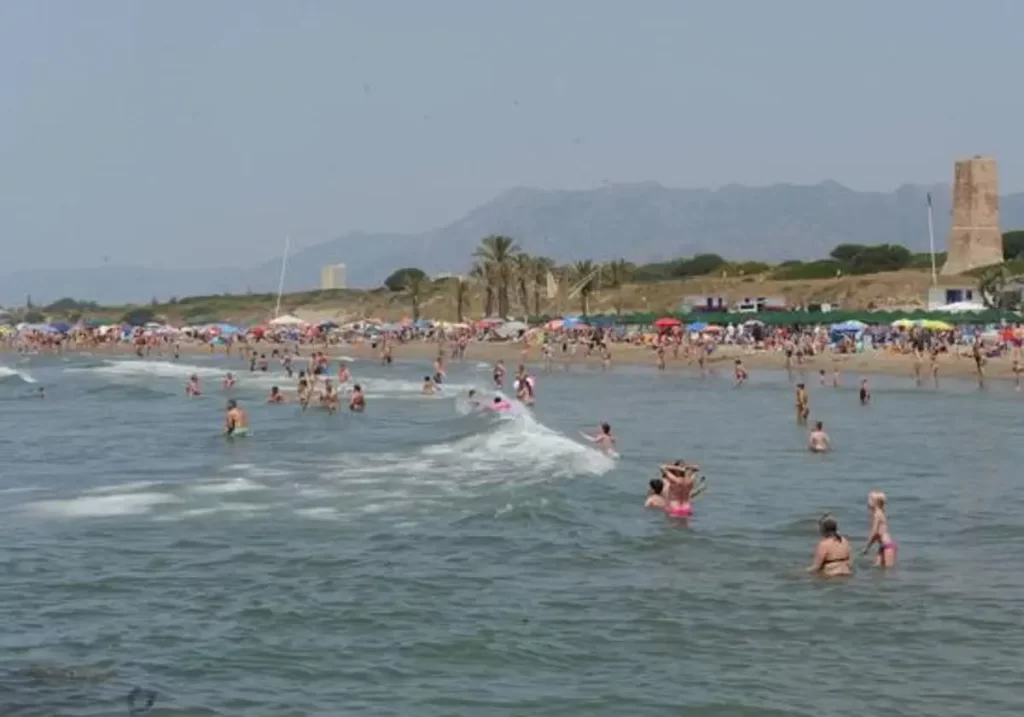
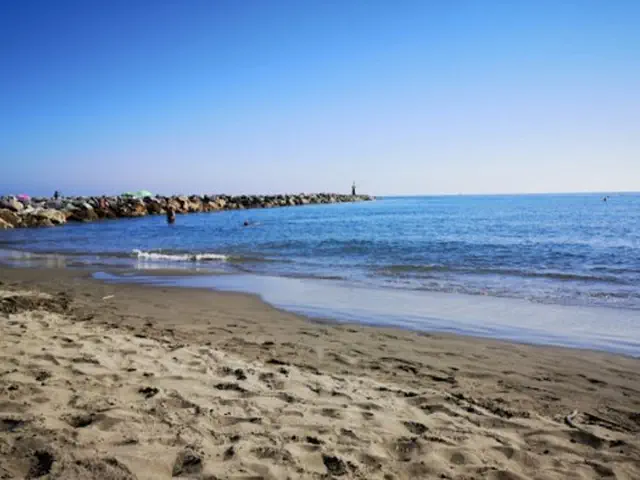
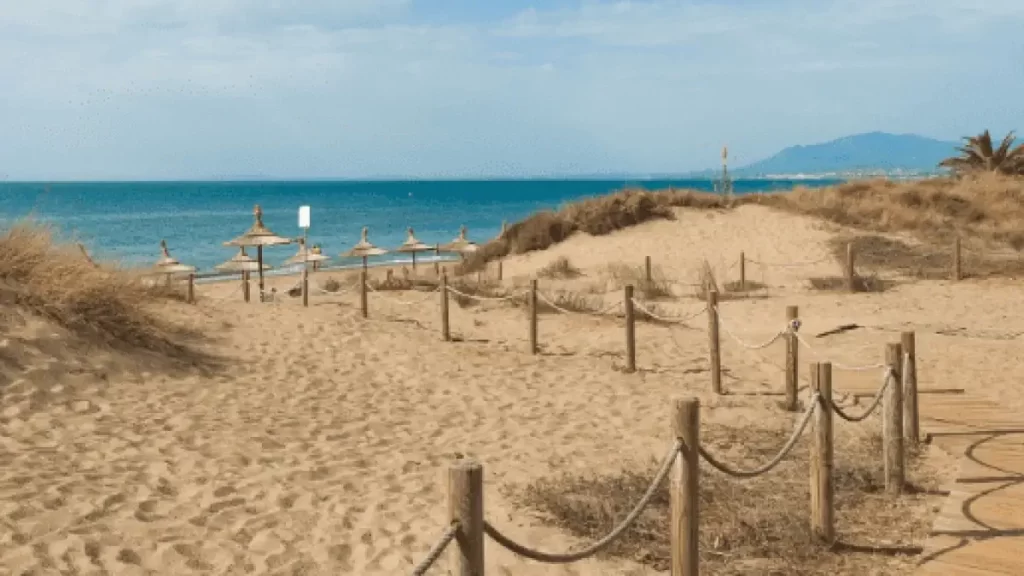
When mentioning Cabopino Beach, it is as if you are speaking of the most beautiful and finest beaches with soft golden sands and blue waters characterized by calm waves.
It is one of the most significant tourist attractions, providing numerous activities such as surfing and swimming, alongside a variety of beachfront restaurants that serve the most delicious Spanish meals.
Paseo Marítimo
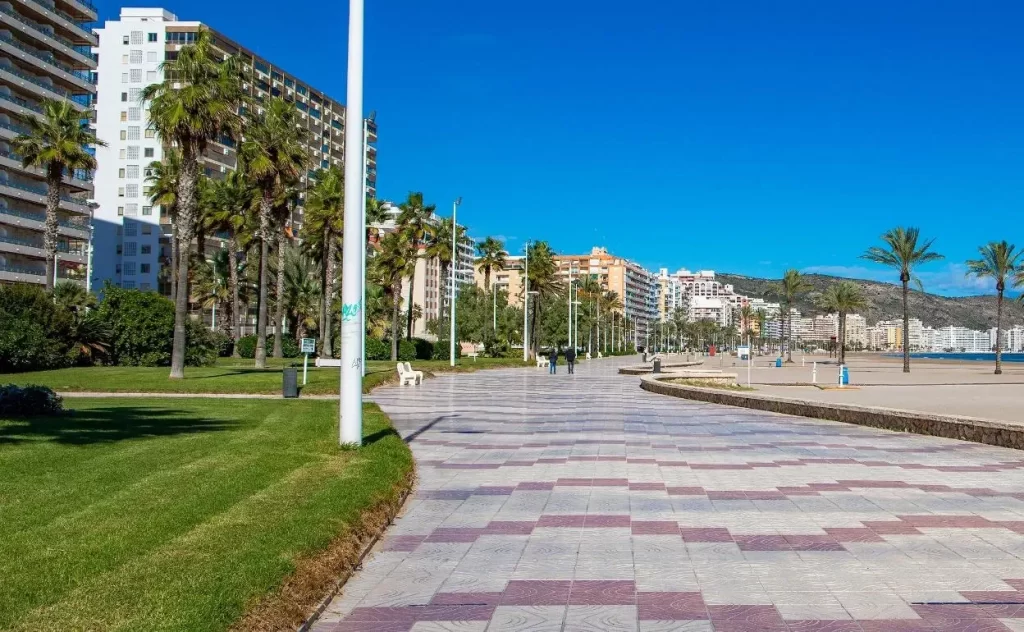
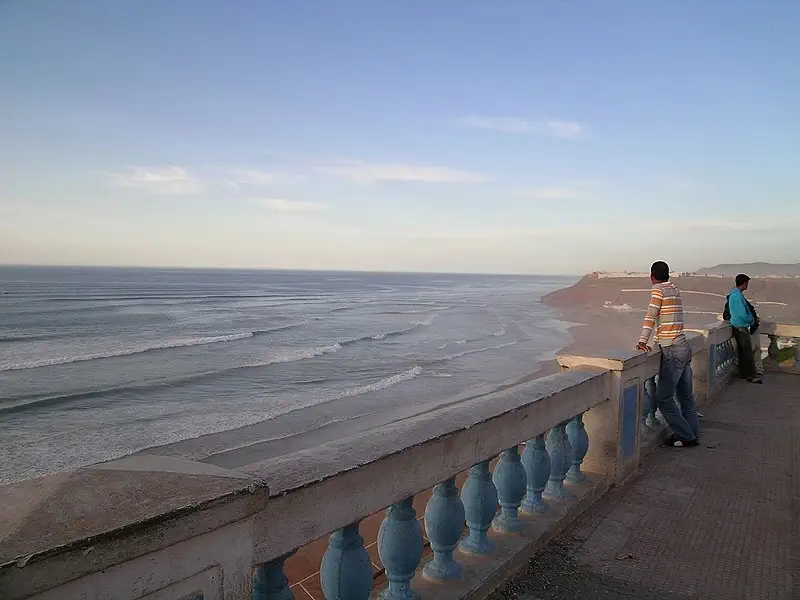
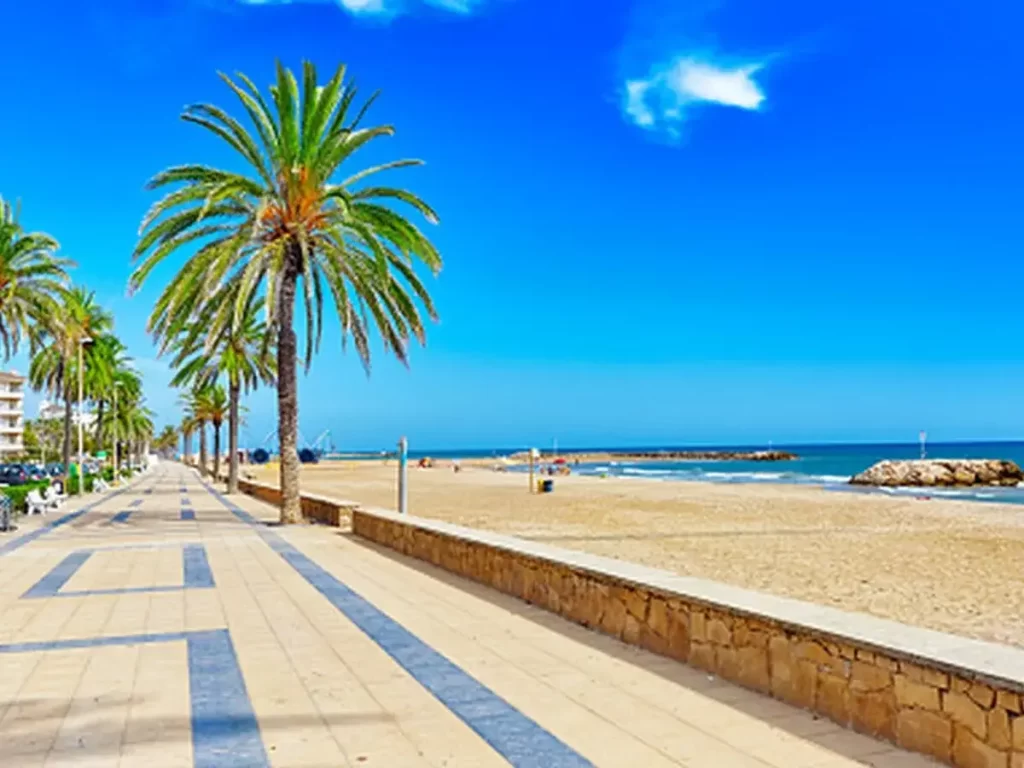
This is the seafront destination and one of the largest areas, serving as a massive tourist promenade that has become a major attraction because it is situated directly on the sea. With numerous shops available, you can take photos and pick up special souvenirs, alongside many local restaurants and cafes.
You can also enjoy surfing or sit along the corniche to witness one of the most stunning maritime views.
Read More: Driver prices in Marbella Spain